Key Findings
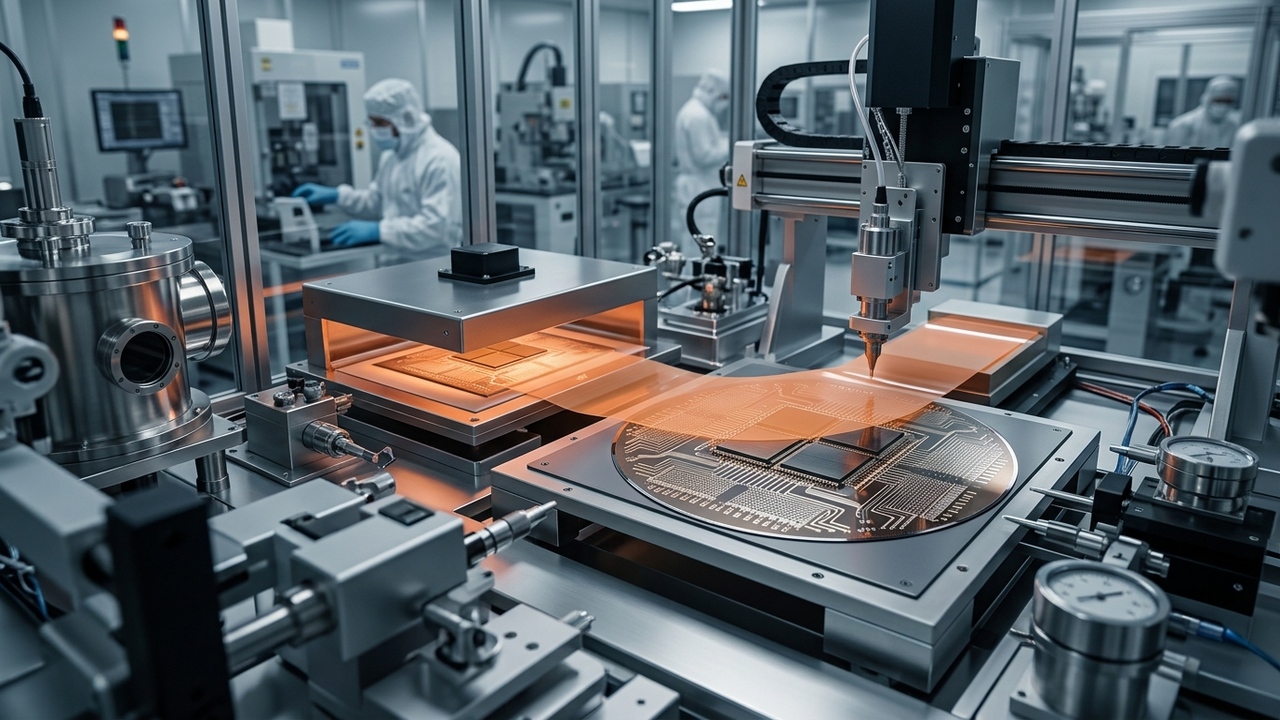
AZoM has provided an in-depth explanation of the multifunctional and indispensable role of polyimide materials in semiconductor packaging. Polyimides are unparalleled materials that simultaneously achieve electrical insulation, robust adhesion, precise pattern definition, and effective stress control at the thin-film interface between devices and packages.
Technical / Clinical Details
Due to their exceptional thermal resistance and chemical stability, polyimides can withstand various harsh conditions inherent in semiconductor manufacturing processes. These include high-temperature curing, chemical etching, encapsulation processes, and subsequent thermal cycling. Specifically, within Redistribution Layer (RDL) structures, polyimide films serve as the foundational electrical insulation, enabling the efficient and fine-pitch reallocation of chip input/output connections. This technology is critical for ensuring signal integrity and power delivery reliability in high-density wiring applications such as High Bandwidth Memory (HBM) and chiplet packaging. Furthermore, the inherent flexibility of polyimides helps mitigate package warpage and thermomechanical stress, contributing significantly to the long-term reliability of devices.
Background & Context
As modern semiconductor devices approach the limits of Moore’s Law, advanced packaging technologies are becoming increasingly crucial for performance improvement and cost reduction. Technologies like HBM and chiplets enhance system performance and efficiency by integrating multiple dies with different functionalities in close proximity, which places higher demands on packaging materials. Polyimides, with their high-performance characteristics, play a central role in these new packaging architectures, particularly in enabling both high-density interconnects and thermomechanical stability.
Strategic Significance & Outlook
The continuous evolution of polyimides is key to accelerating the realization of next-generation semiconductor packaging technologies, especially 2.5D/3D integration and heterogeneous integration. Material developers and semiconductor manufacturers will continue to seek polyimides with even superior electrical properties, thermomechanical stability, and processability. This material will remain an essential component in supporting the performance and reliability of future electronic devices, including AI processors, high-performance mobile devices, and data center chips.
Source: https://www.azom.com/article.aspx?ArticleID=25503
Get our weekly technology intelligence — free
Receive an infographic that lets you judge at a glance whether each field’s analysis report is worth reading.
Subscribe Free — Weekly Tech Intelligence
By subscribing, you’ll receive Troy-Technical’s weekly technology intelligence newsletter.
- Your email and selected fields are used only to deliver the newsletter.
- We never share your information with third parties.
- You can unsubscribe anytime via the link in each email.
See our Privacy Policy for details.
Takes about a minute · Unsubscribe anytime



Comments