
Background
Advanced diagnostic technologies are paramount for both early disease detection and the advancement of personalized medicine. Conventional diagnostic methods often entail complex sample preparation, prolonged analysis times, and expensive instrumentation, limiting accessibility, particularly in resource-constrained environments. This landscape has intensified the demand for simpler, faster, more sensitive, and cost-effective diagnostic platforms. The advent of nanotechnology, particularly the emergence of nanomaterials like nanowires, has consequently opened new avenues for advanced biosensor development.
Key Findings
Nanowire-based biosensors leverage unique physical and chemical properties to address persistent challenges in medical diagnostics. Their key characteristics and achievements include:
- High Sensitivity and Specificity: Nanowires exhibit an exceptionally high surface-to-volume ratio, allowing them to efficiently capture and detect trace quantities of biomarkers. By functionalizing nanowire surfaces with specific biorecognition elements (e.g., antibodies, DNA, enzymes), they achieve superior specificity.
- Label-Free Detection: Many nanowire biosensors directly transduce biomarker binding events into measurable changes in electrical properties (e.g., resistance, conductivity). This inherent label-free detection eliminates the need for fluorescent or radioactive tags, significantly simplifying assay protocols and reducing both time and cost.
- Real-Time Analysis: The instantaneous signal response upon biomarker binding enables true real-time monitoring. This capability is invaluable for rapid evaluation of treatment efficacy and tracking dynamic biological processes in situ.
- Broad Applicability: Their broad applicability extends to detecting a diverse range of targets, including cancer biomarkers, infectious agents, genetic mutations, proteins, and even trace environmental chemical substances. Specific examples include the ultra-sensitive detection of circulating tumor DNA (ctDNA) released from cancer cells and distinct viral antigens.
Collectively, these attributes position nanowire biosensors as powerful tools poised to revolutionize early cancer diagnosis, infectious disease detection, and high-throughput drug screening.
Technical Significance & Outlook
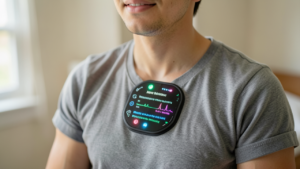
Nanowire-based biosensors are poised to become a pivotal technology in the realization of precision and personalized medicine. Their inherent miniaturized size, portability, and potential for cost-effectiveness make them ideal for integration not only into advanced laboratory settings but also into point-of-care (POCT) diagnostic devices and, eventually, next-generation wearable technologies. This widespread integration could significantly facilitate high-quality diagnostics even in areas with limited medical infrastructure, thereby critically bridging diagnostic disparities globally. Furthermore, by enabling ultra-early disease detection, facilitating tailored treatment selection, and offering continuous monitoring of therapeutic responses, these biosensors hold the transformative potential to dramatically improve patient outcomes. Continued research and development are anticipated to further broaden their applicability to an even wider array of biomarkers, accelerating their practical implementation and widespread adoption in clinical settings worldwide.








Comments