Background
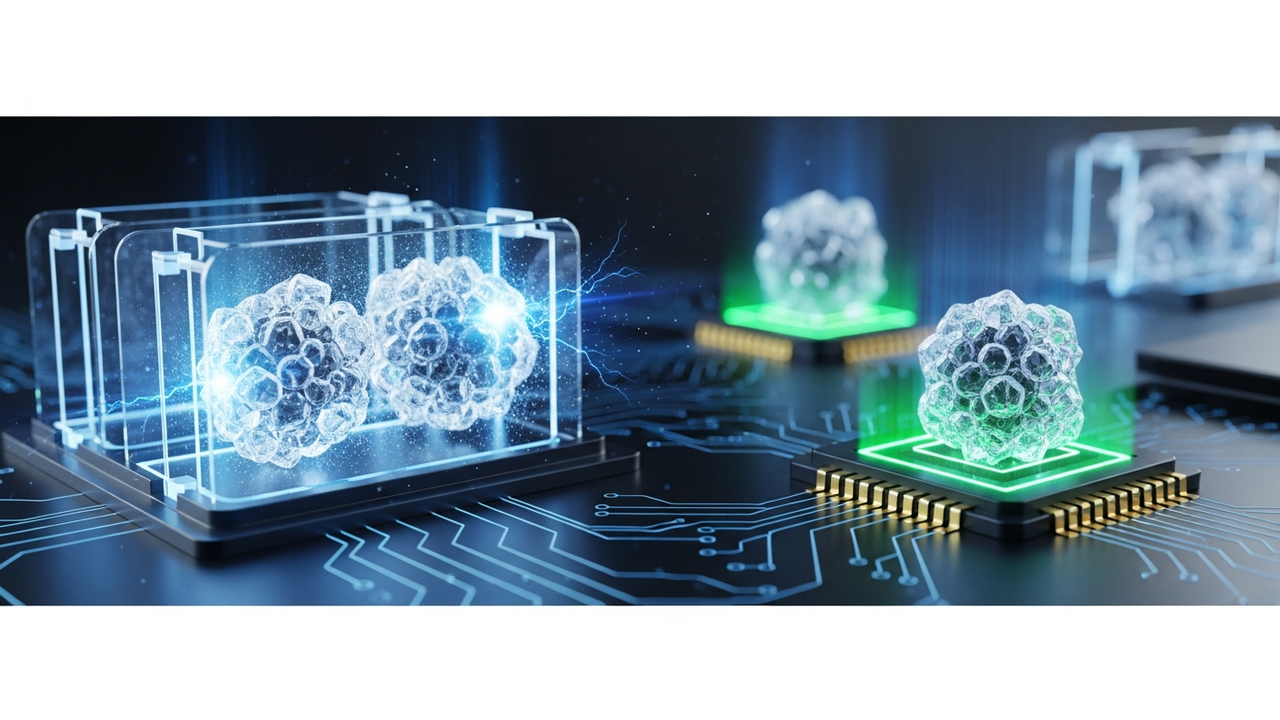
In modern advanced technology sectors, while miniaturization, higher performance, and increased reliability are advancing, concomitant thermal management challenges are becoming increasingly prominent. Electric vehicle (EV) batteries and next-generation power electronics devices, in particular, are characterized by high power densities and operating temperatures, making efficient heat dissipation and thermal stability of materials indispensable. To meet these stringent demands, fillers play a critical role in tailoring material properties, and talc has gained significant attention due to its multifunctional capabilities.
Key Findings / Results
Talc, owing to its excellent thermal properties, electrical insulation, mechanical strength, and cost-effectiveness, plays a crucial role in a wide range of advanced technology fields, from EV batteries to power electronics. Key applications include:
- Thermal Management in EV Battery Modules:
EV batteries generate substantial heat during charge and discharge cycles, making proper thermal management critical for battery safety and lifespan. Talc-filled silicone or polyurethane thermal gap pads function as Thermal Interface Materials (TIMs) between heat-generating cells and cooling systems within battery modules. These pads achieve a thermal conductivity of 1.5–3.0 W/m·K, efficiently transferring heat while maintaining the structural integrity of the battery module. Talc enhances thermal conductivity without sacrificing the material’s flexibility, allowing for good conformability to uneven surfaces within battery packs.
- Epoxy Molding Compounds for Power Devices:
In automotive and industrial power electronics, semiconductor chips are encapsulated with epoxy molding compounds (EMCs). Talc serves as an essential filler in EMCs. By incorporating talc into EMCs, the coefficient of thermal expansion (CTE) mismatch between the semiconductor chip and the EMC itself can be significantly reduced. This improved CTE matching alleviates stress on solder joints during thermal cycling, thereby substantially reducing the risk of device failure due to solder joint fatigue. Talc also enhances the mechanical strength and heat resistance of the EMCs.
- Sintering Aid for SiC and GaN Devices:
Next-generation wide-bandgap semiconductors, such as Silicon Carbide (SiC) and Gallium Nitride (GaN) devices, are capable of operating at higher temperatures. Sintering processes are vital in the manufacturing of these devices. Talc functions as a sintering aid, capable of lowering the sintering temperature while maintaining or improving the thermal conductivity of the resulting materials (e.g., aluminum nitride substrates). This leads to potential reductions in manufacturing costs and improvements in production efficiency.
Technical Significance & Outlook
Talc’s multifunctional properties significantly contribute to the safety and range of EVs, the reliability and efficiency of power electronics, and the optimization of semiconductor manufacturing processes. Improved thermal management directly translates to enhanced device performance and extended lifespan, increasing competitiveness particularly in critical automotive and industrial applications where failure is unacceptable. Furthermore, reducing CTE mismatch enables more robust packaging technologies and supports the widespread adoption of SiC and GaN devices.
As these advanced technology fields continue to evolve, the demand for high-performance fillers like talc is expected to increase. Continued advancements in materials science, particularly in talc particle surface treatment and composite technologies, will further expand its application range and performance. Talc is poised to strengthen its position as a crucial foundational material supporting the future of mobility and the electronics industry globally.
Source: https://alliancechemical.com/blogs/articles/talc-advanced-technology-ev-batteries-power-electronics






Comments