Key Findings
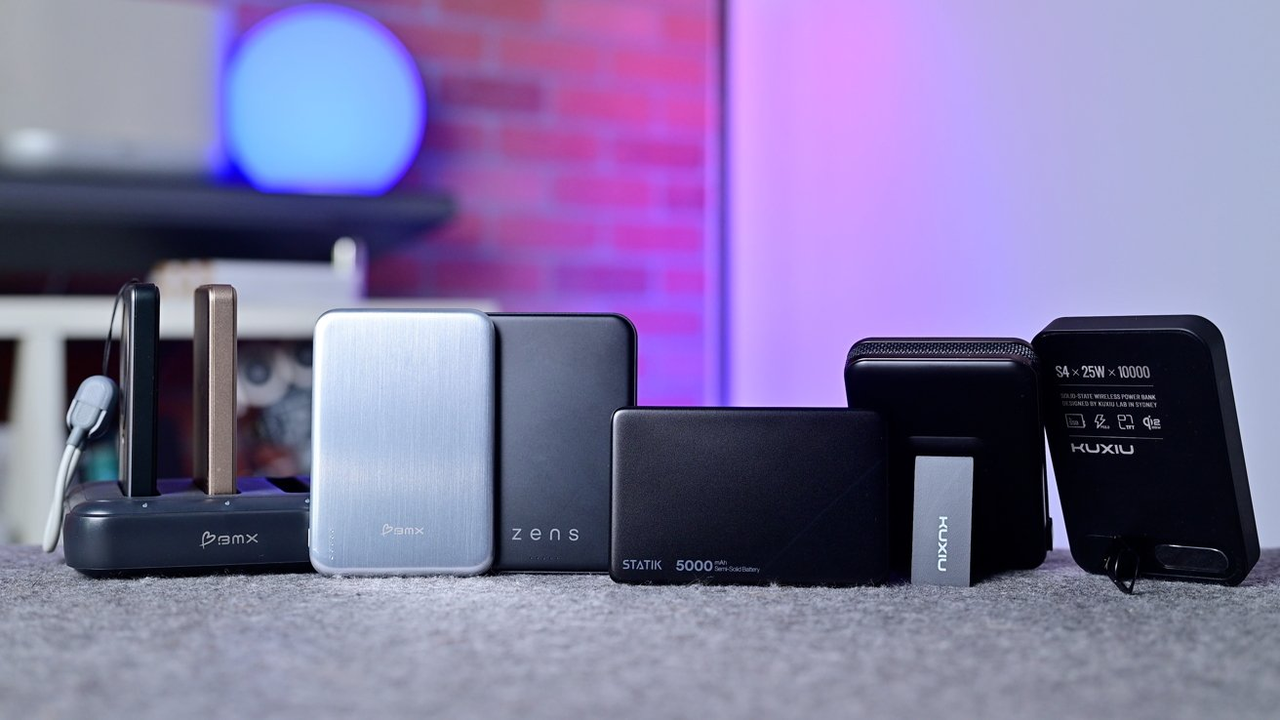
AppleInsider has reported on the integration of solid-state battery technology into MagSafe batteries for the 2026 iPhone lineup. This next-generation battery innovation achieves a significant leap in safety by completely eliminating traditional liquid electrolytes. Furthermore, it promises the potential for higher energy density in compact form factors, extended lifespan, and accelerated charging capabilities, positioning it as an ideal solution for consumer electronics, particularly for iPhones and related accessories.
Technical / Clinical Details
Solid-state batteries fundamentally enhance safety by replacing liquid electrolytes with solid counterparts, thereby eliminating the inherent risks of leakage and thermal runaway. This solid nature also provides greater flexibility in cell design, enabling higher energy densities to be packed into more compact physical footprints. For small devices like the iPhone, this translates directly to expectations of longer battery life and reduced device weight. Moreover, the inherent stability of solid interfaces is anticipated to improve cycle life and mitigate degradation during rapid charging cycles.
Background & Context
As smartphones evolve, battery performance remains a critical factor dictating user experience. While high capacity and rapid charging are essential, safety concerns, such as fire incidents, have always been a lingering issue. Solid-state battery technology has been under extensive research and development for years, poised to resolve these challenges comprehensively. Its combination with wireless charging technologies like MagSafe offers new value to users in terms of both convenience and safety. The introduction of solid-state batteries in the consumer electronics sector is seen as an indicator that practical application in small devices may accelerate even ahead of their broader adoption in the automotive industry.
Strategic Significance & Outlook
The advent of MagSafe solid-state batteries for the iPhone marks a significant turning point in battery technology within the consumer electronics industry. Enhanced safety will bolster user confidence, while increased energy density and extended lifespan will elevate device performance to the next level. This technology is expected to propagate to other portable electronic devices and could eventually accelerate adoption in larger applications, such as electric vehicles. This innovation represents a crucial step in shaping the future of mobile devices.








Comments