Key Findings
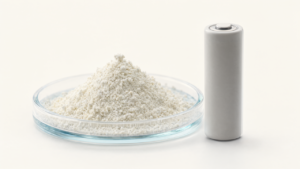
A recent review details significant research progress on garnet-type Li7La3Zr2O12 (LLZO) solid electrolytes, highlighting their promising properties and strategies to overcome existing challenges. The review acknowledges LLZO’s high ionic conductivity (approximately 10-3 S/cm) and excellent stability against lithium metal anodes, while also pointing out practical hurdles such as poor interfacial contact and high sintering temperatures that impede commercialization.
Technical / Clinical Details
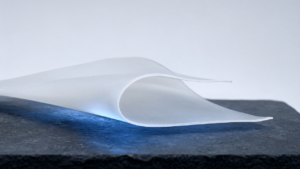
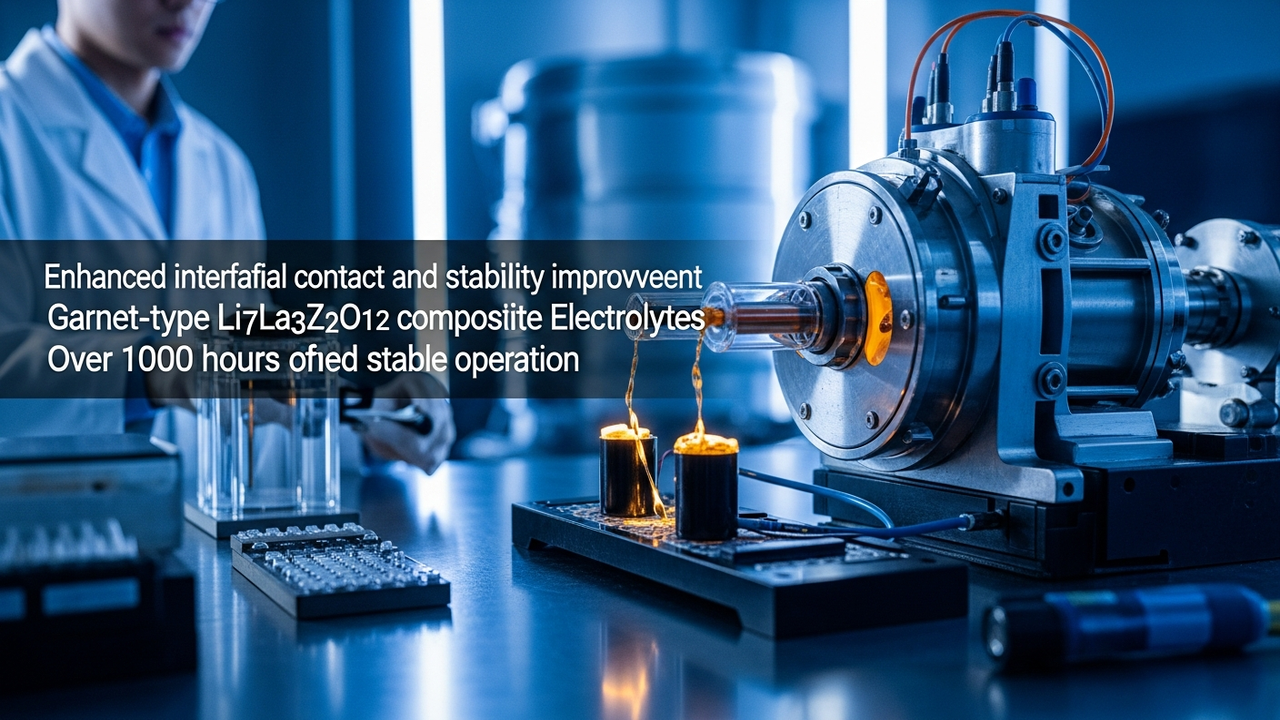
The review outlines multiple strategies to further enhance LLZO performance, including optimizing Li+ conduction channels, incorporating sintering aids for improved densification, creating composites with polymer electrolytes, and optimizing the interfacial contact between electrodes and electrolytes. Of particular note is a high-performance organic-inorganic composite solid electrolyte that combines Ga/Ta co-doped LLZO with a PEO-LiTFSI polymer. This composite electrolyte achieved a high ionic conductivity of 4.35 × 10⁻⁴ S/cm at 60°C and demonstrated over 1000 hours of stable battery operation in all-solid-state lithium batteries. Furthermore, a LiFePO4||Li all-solid-state battery utilizing this composite maintained a high capacity retention of 96.5% after 100 cycles at 60°C, indicating substantial improvements in Li+ ion transport and interfacial stability.
Background & Context
All-solid-state batteries are considered the prime candidate for next-generation batteries for electric vehicles (EVs) and stationary energy storage systems, owing to their advantages in safety (non-flammability), energy density, and long lifespan compared to conventional liquid electrolyte lithium-ion batteries. LLZO has been extensively researched as one of the most promising solid electrolyte materials due to its excellent ionic conductivity and chemical stability. However, challenges such as interfacial resistance with lithium metal anodes and costly manufacturing processes have been major barriers to its commercialization. The reported research progress provides concrete pathways for resolving these issues.
Strategic Significance & Outlook
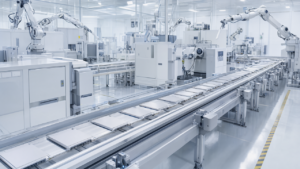
LLZO-based composite solid electrolytes, by combining high performance with stability, hold significant potential to contribute to the realization of high-performance and safe all-solid-state batteries. Future research will focus on further optimizing manufacturing processes, reducing costs, and scaling up for large-scale production. This progress is expected to accelerate the commercialization of all-solid-state batteries, bringing about a new paradigm shift in the EV and energy storage markets.