Key Findings
Intel is committed to a large-scale expansion of its advanced semiconductor packaging capabilities to accelerate the revival of its foundry business. The core of this initiative focuses on expanding the capacity of Intel’s proprietary EMIB (Embedded Multi-die Interconnect Bridge) technology. This effort aims to significantly boost production capacity to meet the demands of new foundry customers and to secure a robust infrastructure for materials, components, and equipment.
Technical Details
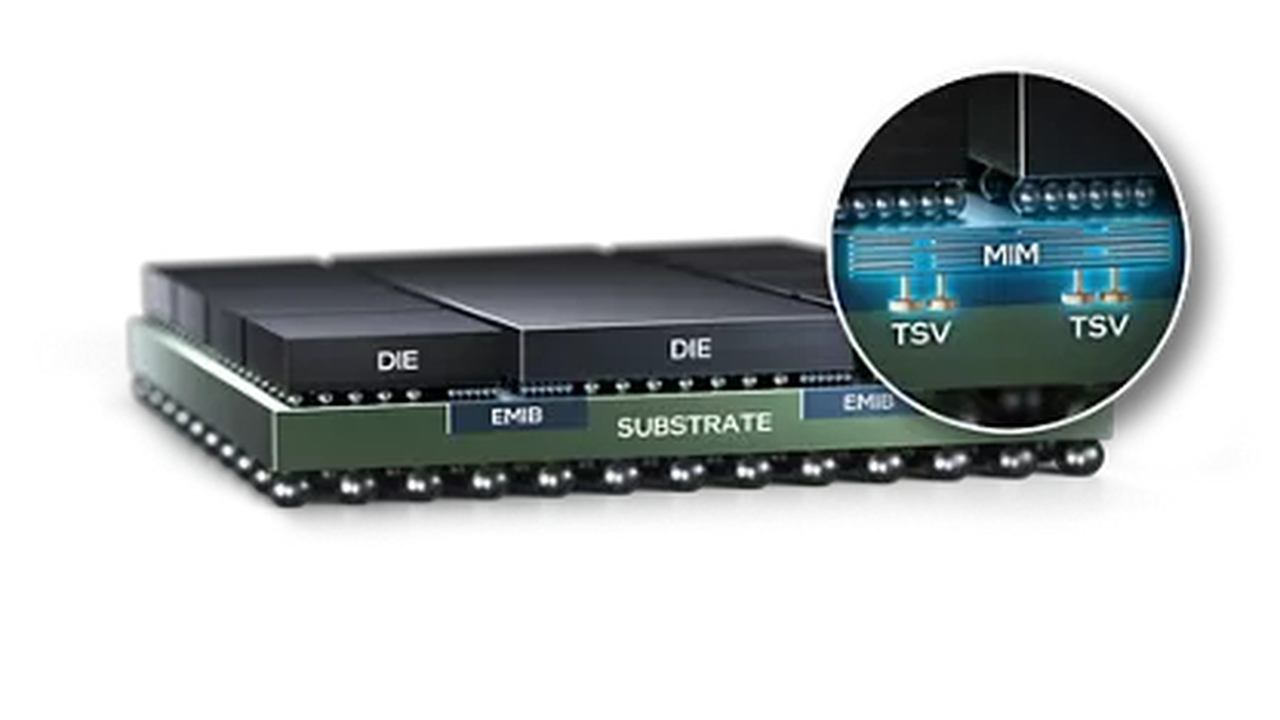
Intel’s advanced packaging roadmap covers multiple technology platforms, including EMIB, Foveros, and Foveros Direct, with the ambitious goal of integrating one trillion transistors within a single package by 2030. EMIB enables high-density interconnects without requiring a large silicon interposer, thereby reducing energy loss in data transmission within the package. Foveros vertically integrates chiplets in 3D stacks, while Foveros Direct employs hybrid bonding technology to further enhance interconnect density and energy efficiency. Intel has successfully applied its 18A process for the first time in data center processors, the Xeon 6+, which combines Foveros Direct 3D packaging technology with EMIB to create high-density packages featuring up to 288 energy-efficient cores. EMIB-T, a variant, enables ultra-large, high-performance chiplet systems, achieving over 12 Gb/s for HBM4e and 64 Gb/s for UCIe interfaces.
Background and Context
The surging demand for AI infrastructure and ‘physical AI’ has dramatically increased the importance of advanced packaging technologies in the semiconductor industry. With TSMC’s CoWoS packaging capacity being one of the most critical bottlenecks in the AI hardware stack, Intel’s EMIB is gaining significant attention as a viable alternative, particularly from hyperscalers like Google and Amazon. Intel believes that advanced packaging could gain quicker external customer adoption compared to advanced process technologies, thereby strengthening its competitive position in the foundry market.
Strategic Significance and Outlook
Intel’s substantial investment in advanced packaging represents a critical strategic move for the company to regain competitiveness as a leading foundry in the AI era. The capacity expansion of technologies like EMIB, Foveros, and Foveros Direct is set to redefine the scalability limits of AI and HPC, enabling high-performance heterogeneous integration, improved power delivery, and reduced warpage. This initiative will be an indispensable factor in Intel’s efforts to attract more external customers and drive resilience and technological innovation across the entire semiconductor supply chain. In the long term, this is expected to stabilize the supply of AI chips and accelerate the broader adoption and evolution of AI technologies.