Key Findings
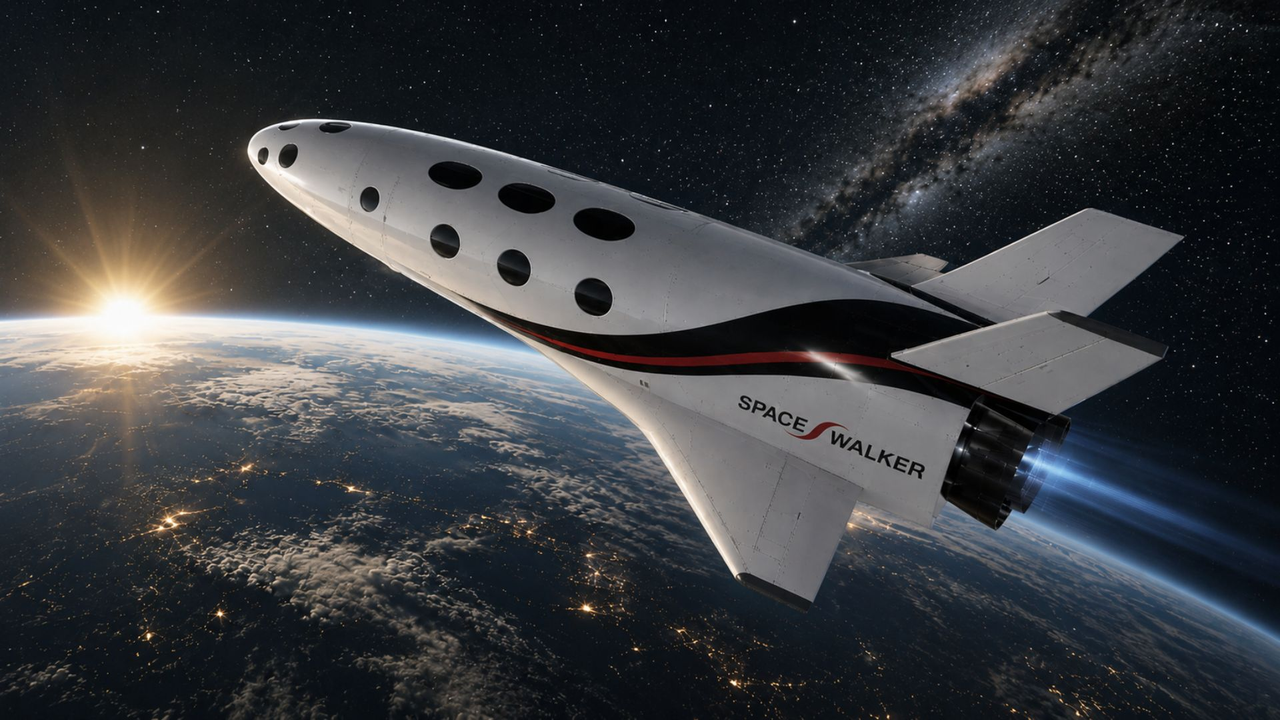
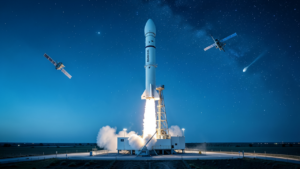
The ambitious “ECO ROCKET” project, led by Space Walker, a Japanese startup spun off from Tokyo University of Science, has been effectively halted following the company’s entry into bankruptcy proceedings in February 2026. This innovative reusable winged rocket, designed to take off and land like an airplane, aimed to revolutionize space transportation by significantly reducing costs and environmental impact.
Technical & Clinical Details
The “ECO ROCKET” was conceptualized as a fully reusable winged rocket utilizing clean fuels, intended to compete with reusable launch vehicles developed by companies such as Elon Musk’s SpaceX. Its goal was to enhance Japan’s competitiveness in the private space travel and satellite launch markets. In 2023, the project received initial investment from JAXA (Japan Aerospace Exploration Agency) to accelerate the development of a suborbital spaceplane for human spaceflight, underscoring its high technical feasibility and future potential. However, the inherent complexity of technology development, substantial capital requirements, and challenges in market commercialization are believed to have made the project unsustainable.
Background & Industry Context
Reusable rocket technology is a paramount theme in the global space industry, holding the potential to dramatically reduce space transportation costs and democratize access to space. Japan has actively supported startups like Space Walker to ensure its competitiveness in this field and stimulate its private space sector. Nevertheless, developing new rocket technologies is extremely capital-intensive, fraught not only with technical hurdles but also challenges in market entry, regulatory compliance, and supply chain establishment. Space Walker’s bankruptcy serves as a stark reminder of the harsh realities faced by space startups and the difficulties of securing sustainable funding.
Future Outlook
While the stagnation of the “ECO ROCKET” project is a considerable blow to the Japanese aerospace sector, interest in reusable space transportation technology remains high. The future of this technology in Japan will likely depend on potential successors or new initiatives within the national aerospace sector. The key lesson learned is that beyond innovative technological development, establishing a sustainable business model and a robust financial foundation are indispensable for the success of space startups. Attention will now turn to how Japan plans to reinvigorate its efforts in this critical domain.



Comments