
Background
Exobiosphere, a Luxembourg-based startup, is at the forefront of leveraging microgravity for advanced drug discovery. With recent seed funding of €3 million, the company is poised to launch its first mission to capitalize on the unique conditions of space to unravel biological mechanisms critical for developing next-generation therapeutics.
Key Findings
The successful €3 million seed funding round marks a significant milestone for Exobiosphere, empowering the company to advance its ambitious research agenda. This capital injection will directly support the preparation and execution of its inaugural mission to Vast’s Haven-1 commercial space station, slated for March 2027. The mission represents a critical step in demonstrating microgravity’s potential to accelerate the discovery of novel biological pathways and therapeutic targets, ultimately leading to innovative treatments for a range of human diseases.
Technical & Clinical Details
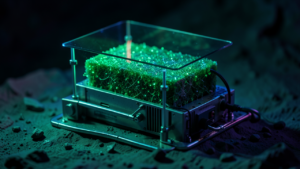
Exobiosphere’s core hypothesis is that microgravity-induced changes at the cellular level can yield profound insights into disease mechanisms and pave the way for new therapies. Observations from past space research, such as accelerated cellular aging in microgravity, suggest opportunities for developing treatments for age-related conditions, including neurodegenerative diseases like Parkinson’s. Similarly, the altered behavior of cancer cells in microgravity could reveal new vulnerabilities, leading to more effective anti-cancer drugs and a deeper understanding of resistance mechanisms. The company plans to conduct autonomous cell culture experiments aboard the Haven-1 commercial space station, meticulously studying these biological processes without the need for astronaut intervention to build out its drug discovery pipeline.
Industry Context
The profound value of biological research in space is well-documented, with decades of work on the International Space Station (ISS) contributing significantly to our understanding of life sciences. A notable example is the ISS’s protein crystallization research, which played a role in the reformulation of Merck & Co.’s FDA-approved Keytruda, demonstrating tangible commercial outcomes. As the ISS approaches its decommissioning, a burgeoning need for commercial platforms to sustain microgravity research has emerged. Commercial space stations, such as Vast’s Haven-1, are strategically designed to fill this void, providing essential infrastructure for startups like Exobiosphere to accelerate space-based research and development. In parallel, Luxembourg actively champions space resource utilization and fosters the growth of the space economy as a national strategic imperative, with Exobiosphere’s endeavors contributing to the strengthening of the country’s nascent space industry ecosystem.
Future Outlook
Exobiosphere’s maiden mission will serve as a crucial validation of microgravity’s transformative potential in drug discovery. The identification of novel biological pathways or therapeutic targets—often obscured by Earth’s gravitational forces—could fundamentally reshape the landscape of pharmaceutical development. Significant expectations are placed on the company’s ability to uncover new treatments for intractable diseases such as neurodegenerative diseases, autoimmune disorders, and various cancers, which remain challenging to treat with current Earth-bound methods. Exobiosphere’s anticipated success is expected to inspire more biotechnology firms to explore space as a new frontier for R&D, thereby diversifying and expanding the commercial space industry. Looking ahead, microgravity is poised to become an indispensable tool in advancing personalized medicine and driving the next generation of regenerative therapies.
Source: https://www.forbes.lu/exobiosphere-taking-drug-discovery-into-orbit/






Comments