Key Findings
A research team at Lingnan University has announced the results of collaborative research on an innovative approach dubbed ‘AI + wrinkled materials.’ This study focuses on effectively controlling the complex and unpredictable structures and mechanical properties of wrinkled materials using artificial intelligence (AI). This converged technology is poised to open up unprecedented new application possibilities in diverse fields, including anti-counterfeiting, artificial organs, and stretchable batteries.
Technical / Clinical Details
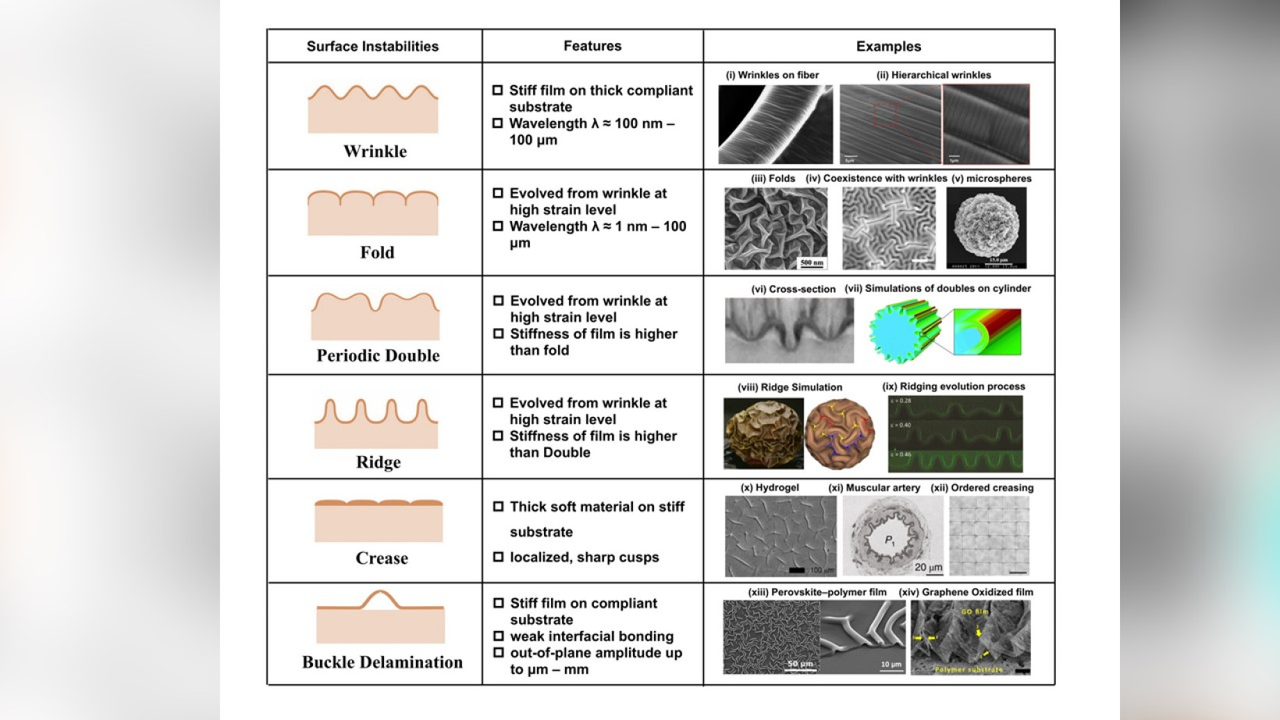
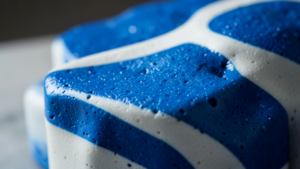
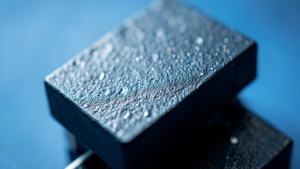
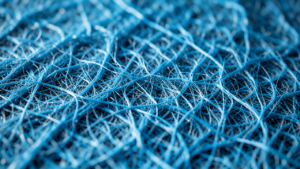
‘Wrinkled materials’ refer to materials with micro-patterns or wrinkles formed on their surfaces, where these wrinkle patterns influence the material’s stretchability, friction coefficient, optical properties, or chemical reactivity. However, the formation of these wrinkles has been non-linear, unpredictable, and difficult to control. The Lingnan University research team successfully optimized the wrinkle formation process by incorporating AI, particularly machine learning algorithms, to ‘design’ specific wrinkle patterns that exhibit desired functionalities. For example, AI can generate wrinkle patterns that respond specifically to certain mechanical stimuli or patterns that are random yet optically distinguishable and difficult to replicate. This technology leverages the combination of the physical structure of materials and the computational power of AI to achieve complex functionalities impossible with traditional materials.
Background & Context
In materials science, extensive research is being conducted on ‘smart materials’ that change their properties in response to external stimuli (heat, light, electricity, force, etc.). However, their design and control often required vast experimental efforts and trial-and-error processes. The evolution of AI is accelerating this material development process, enabling more efficient and targeted approaches. In anti-counterfeiting technology, there is a demand for integrating micro-patterns into materials that are extremely difficult to replicate. Artificial organs require flexible and adaptive materials mimicking biological tissues, while stretchable batteries need materials that maintain performance even when bent or stretched. This research demonstrates that the combination of AI and wrinkled materials offers effective solutions to these advanced requirements, highlighting the importance of interdisciplinary integration between materials science and computer science.
Strategic Significance & Outlook
This ‘AI + wrinkled materials’ technology has the potential to significantly impact various sectors in the future. For anti-counterfeiting, applications in high-security ID cards, product labels, and packaging materials are anticipated, offering virtually impossible-to-replicate physical features. In the artificial organs field, it could contribute to developing more biocompatible and functional implantable devices by mimicking the complex mechanical properties of biological tissues. Furthermore, stretchable batteries will offer new design freedoms as power sources for wearable electronics and soft robotics. The research team aims to further optimize this technology and facilitate its industrial translation, striving to realize a safer and more convenient future society.


Comments