Key Findings
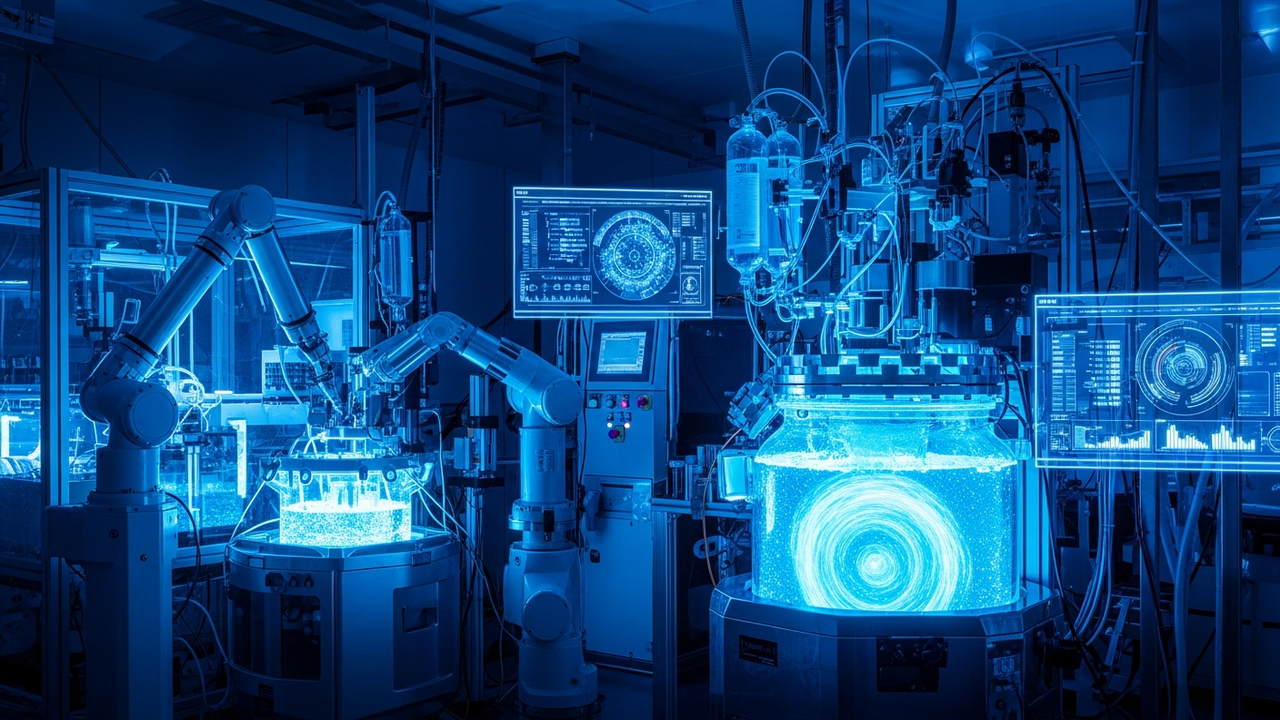
This research successfully identified a protocol for efficiently generating feeder-free, manufacturable iPSC-derived NK (iNK) cells using the CombiCult® combinatorial screening platform. A crucial outcome of this innovation is the demonstrated approximately 10-fold increase in iNK cell productivity when scaled up in stirred-tank bioreactors.
Technical / Clinical Details
- CombiCult® Platform: The high-throughput combinatorial screening platform enables rapid identification of optimal culture conditions, significantly streamlining the complex optimization processes typically required for NK cell manufacturing. This automation reduces development time and resource intensity.
- Feeder-Free Manufacturing: Eliminating the need for feeder cells, commonly used in stem cell culture, simplifies the manufacturing process and mitigates the risk of xenogeneic or allogeneic component contamination. This directly supports compliance with Good Manufacturing Practice (GMP) standards, crucial for clinical translation.
- Scalability via Stirred-Tank Bioreactors: The ability to scale up iNK cell production in stirred-tank bioreactors, a standard for large-volume biopharmaceutical manufacturing, led to a substantial 10-fold increase in yield. This breakthrough is vital for achieving the large quantities of cells necessary for clinical trials and eventual commercialization.
- Consistent Quality and Cytotoxicity: Critically, the iNK cells produced through this optimized protocol maintain a consistent quality profile and robust cytotoxicity—their ability to kill target cancer cells. This consistency is paramount for ensuring therapeutic efficacy and patient safety in clinical applications.
Background & Context
iPSC-derived NK cells represent a highly promising avenue for allogeneic cell therapies due to their unlimited proliferative capacity and low immunogenicity. They are particularly attractive for treating solid tumors, where conventional therapies often face resistance. However, the scalable and cost-effective manufacturing of these cells has been a significant bottleneck in their clinical advancement. This study directly addresses this challenge by providing a robust, high-yield manufacturing solution.
Strategic Significance & Outlook
The developed protocol provides a direct pathway for the scalable manufacturing of allogeneic iNK cell therapies aimed at solid tumors. The dramatic increase in productivity and assurance of quality consistency could accelerate the availability of high-quality iNK cell treatments to a wider patient population. This technological leap is expected to expedite iNK cell therapy clinical trials and potentially transform the treatment landscape for various solid malignancies, positioning iPSC-derived NK cells as a leading “off-the-shelf” option in cancer immunotherapy.






Comments