Background
Lithium-ion batteries (LIBs) serve as the primary power source for electric vehicles and portable electronic devices, yet they contend with inherent limitations, including the flammability of liquid electrolytes and the persistent demand for higher energy density. All-solid-state batteries (ASSBs) are heralded as a transformative next-generation technology, aiming to replace liquid electrolytes with solid alternatives. This shift promises substantial gains in both safety and energy density. However, a major obstacle to the practical deployment of ASSBs has been the inadequate electrochemical stability of solid electrolytes, especially when operating under high-voltage conditions.
Key Findings
This study unequivocally demonstrates that the strategic incorporation of ceramic fillers profoundly enhances the electrochemical stability of composite polymer electrolytes (CPEs) tailored for advanced lithium-ion batteries. This pivotal advancement directly tackles a persistent challenge in integrating polymer electrolytes with high-voltage electrode materials, thereby clearing a critical pathway towards developing safer, higher-performing, and more energy-dense storage solutions.
Technical Details
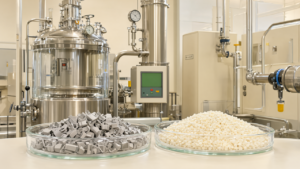
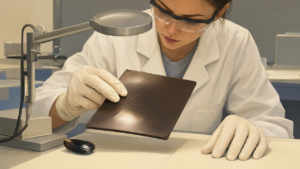
Conventional polymer electrolytes, despite their inherent flexibility and ease of processing, have historically been hampered by insufficient electrochemical stability, severely limiting their compatibility with high-performance electrodes like high-voltage cathodes. In this research, composite polymer electrolytes (CPEs) were engineered by embedding ceramic nanoparticles, specifically barium titanate (BaTiO3) or aluminum oxide (Al2O3), within a polymer host matrix, such as polyethylene oxide. These embedded ceramic fillers serve multiple critical functions: they significantly bolster the mechanical strength of the polymer electrolyte, optimize lithium-ion transport pathways to enhance ionic conductivity, and, crucially, substantially increase the electrolyte’s resistance to oxidative degradation. This combined effect allows for stable battery operation across a significantly wider electrochemical window, ultimately yielding both higher energy density and enhanced safety within the battery system.
Strategic Significance & Outlook
The successful development of composite polymer electrolytes incorporating ceramic fillers marks a pivotal stride toward the widespread realization of high-performance and intrinsically safe all-solid-state lithium-ion batteries. This transformative technology is poised to deliver extended driving ranges for electric vehicles, substantially increased capacity for grid-scale renewable energy storage systems, and exceptionally reliable power for stringent applications across aerospace and other high-reliability sectors. Future research endeavors will strategically concentrate on further optimizing the precise type and morphology of ceramic fillers, alongside meticulous design of the interface with the polymer matrix. These efforts will be paramount to accelerating the commercialization of this groundbreaking technology. Ultimately, such advancements hold the profound potential to fundamentally reshape the global energy storage landscape, fostering more sustainable, secure, and robust power solutions worldwide.
Source: https://uu.diva-portal.org/smash/get/diva2:2074336/FULLTEXT01.pdf
Get our weekly technology intelligence — free
Receive an infographic that lets you judge at a glance whether each field’s analysis report is worth reading.
Subscribe Free — Weekly Tech Intelligence
By subscribing, you’ll receive Troy-Technical’s weekly technology intelligence newsletter.
- Your email and selected fields are used only to deliver the newsletter.
- We never share your information with third parties.
- You can unsubscribe anytime via the link in each email.
See our Privacy Policy for details.
Takes about a minute · Unsubscribe anytime