Key Findings
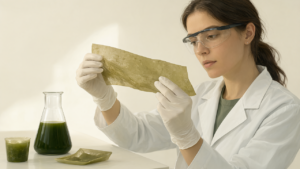
This editorial underscores a significant global shift within the coatings industry towards sustainable, eco-friendly, and high-performance bio-based polymer coatings, moving away from traditional petroleum-derived materials. It showcases advanced synthesis strategies, including vegetable oil polyurethanes and water-soluble polyol matrices, and highlights their diverse applications in areas such as active food packaging and controlled-release agriculture, driving a new era of sustainable innovation.
Technical / Clinical Details
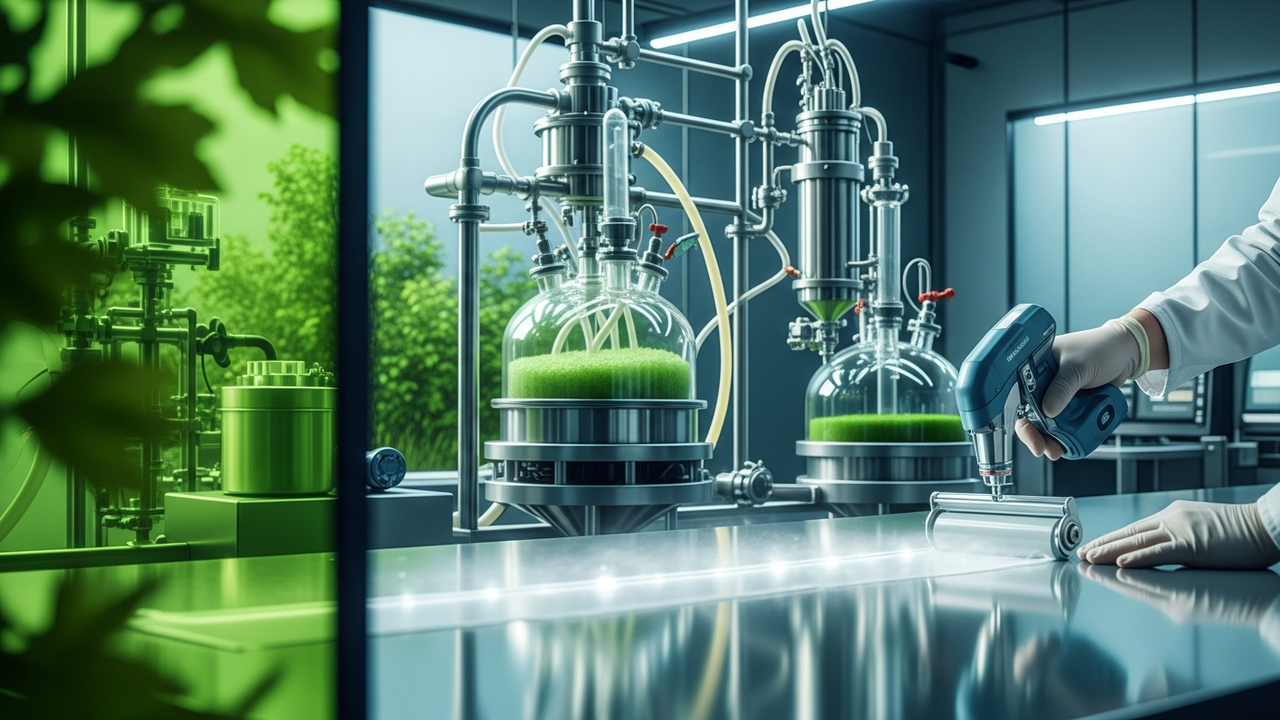
The development of bio-based polymer coatings is guided by principles of green chemistry, emphasizing the minimization of hazardous solvents and crosslinking agents. Specifically, polyurethanes derived from vegetable oils are being explored for their flexibility and durability in protective coatings and adhesives. The use of water-soluble polyol matrices contributes to reducing VOC (volatile organic compound) emissions, leading to their adoption in environmentally sensitive sectors. Recent breakthroughs include solvent-free processing techniques and the development of PFAS-free aqueous barrier latices as alternatives to traditional fluorinated compounds, providing innovative solutions that enhance both the safety and sustainability of food packaging.
Background & Context
Growing environmental consciousness and mounting concerns over plastic pollution and fossil resource depletion are accelerating the transition to bio-based materials in the coatings industry. Regulatory bodies worldwide are imposing restrictions on hazardous substance use and demanding reduced environmental footprints throughout product lifecycles. In response, bio-based polymer coatings, derived from renewable resources and often biodegradable, are expected to significantly contribute to a sustainable society. The food contact sector, in particular, faces high consumer demand for safety and environmental responsibility, driving strong innovation in this area.
Strategic Significance & Outlook
The advancements in bio-based polymer coating technology are projected to accelerate, with application areas expanding further. Their use in active packaging materials can extend the shelf life of food products, contributing to food waste reduction. In controlled-release agriculture, these coatings enable more efficient utilization of fertilizers and pesticides, minimizing environmental runoff. These technologies not only support industries in achieving their sustainability goals but also create new product value that benefits consumer health and environmental protection. Continued research, development, and commercialization in this field are crucial pillars for realizing a circular economy and advancing sustainable industrial practices globally.
Source: https://www.mdpi.com/2079-6412/16/6/713
Get our weekly technology intelligence — free
Receive an infographic that lets you judge at a glance whether each field’s analysis report is worth reading.
Subscribe Free — Weekly Tech Intelligence
By subscribing, you’ll receive Troy-Technical’s weekly technology intelligence newsletter.
- Your email and selected fields are used only to deliver the newsletter.
- We never share your information with third parties.
- You can unsubscribe anytime via the link in each email.
See our Privacy Policy for details.
Takes about a minute · Unsubscribe anytime