Background and Technical Challenges
One of the most formidable challenges in the commercialization of all-solid-state batteries (ASSBs) is the high interfacial resistance and instability arising from the contact between lithium metal anodes and solid electrolytes. While solid electrolytes conduct lithium ions, inadequate physical contact or poor chemical compatibility with electrodes leads to significant interfacial resistance, severely degrading battery performance and lifespan. Previous research has explored solutions like applying high external pressures or complex coating technologies, but these often result in increased costs and manufacturing complexity.
Key Findings and Technical Breakthroughs
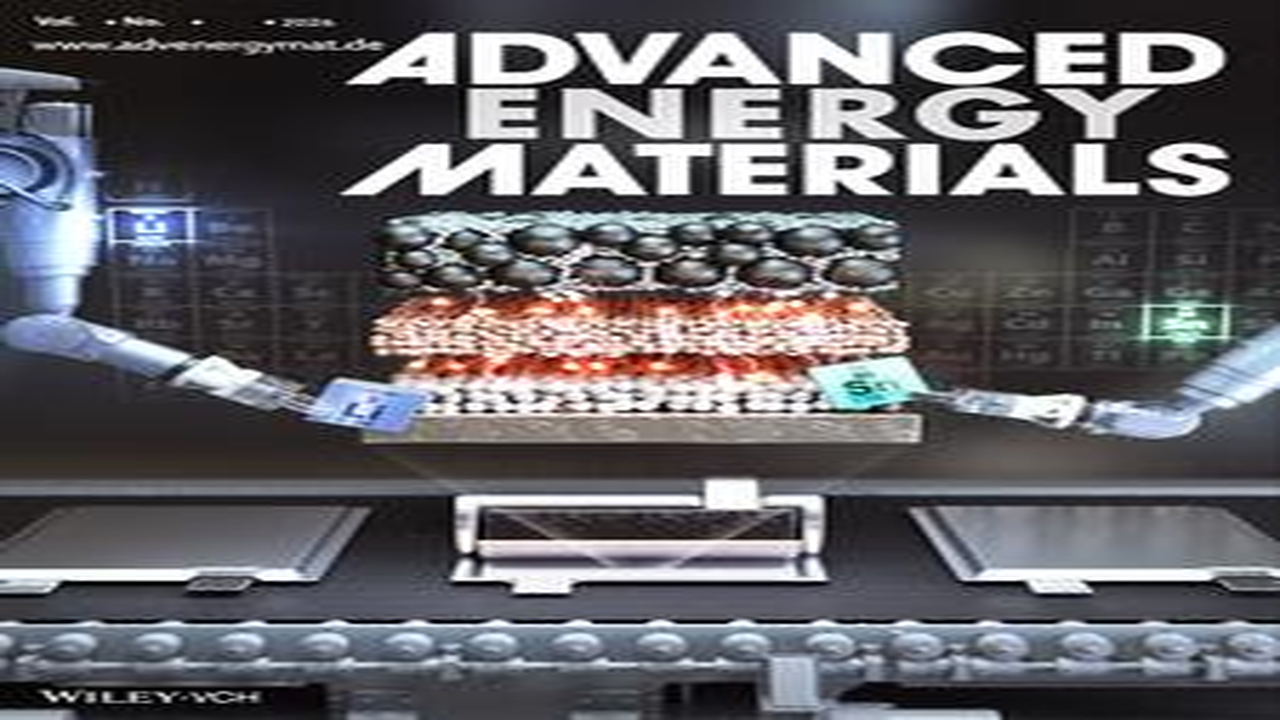
A research team led by Dr. Nam Ki-hoon at the Korea Electrotechnology Research Institute (KERI) has developed a groundbreaking control technology that utilizes a nanotin (Sn) interlayer to address this interfacial instability. This nanotin interlayer effectively reduces physical damage to the lithium metal anode and simultaneously functions as an efficient pathway for lithium ion transport. This dual mechanism significantly improves contact between the electrode and the solid electrolyte, substantially reducing the overall interfacial resistance of the cell.
When this novel technology was applied to pouch cells, it demonstrated remarkable performance:
- Low-Pressure Operation: Achieved stable operation under a remarkably low pressure of just 2 MPa. This stands in stark contrast to conventional ASSBs that typically require tens of MPa, offering greater flexibility in battery pack design and contributing to lighter weight.
- Cycling Performance: Maintained over 81% of its initial capacity after 500 cycles, a crucial metric for the practical viability of ASSBs.
- Energy Density: Achieved a high energy density exceeding 350 Wh/kg. This performance significantly surpasses that of existing lithium-ion batteries (typically 150-250 Wh/kg) and is recognized as a world-leading achievement.
This research has been highly acclaimed, featured on the cover of the prestigious journal “Advanced Energy Materials.”
Technical Significance and Outlook
The nanotin interlayer control technology developed by KERI has the potential to significantly accelerate the commercialization of all-solid-state batteries. Critically, its ability to improve interfacial stability without requiring expensive and complex manufacturing processes substantially lowers the barrier to mass production. The high performance achieved at low pressures offers greater design freedom for battery packs and contributes to reduced weight, thereby improving electric vehicle (EV) range and potentially lowering costs.
This technology demonstrates clear advantages over existing lithium-ion batteries by simultaneously achieving high energy density and excellent cycle life. Future work will focus on further optimizing the manufacturing cost of the nanotin interlayer, assessing its scalability for large-scale production, and conducting detailed validation of its long-term durability. Nevertheless, this breakthrough represents a pivotal step towards making the future of all-solid-state batteries a reality.






Comments