Background and Technical Challenges
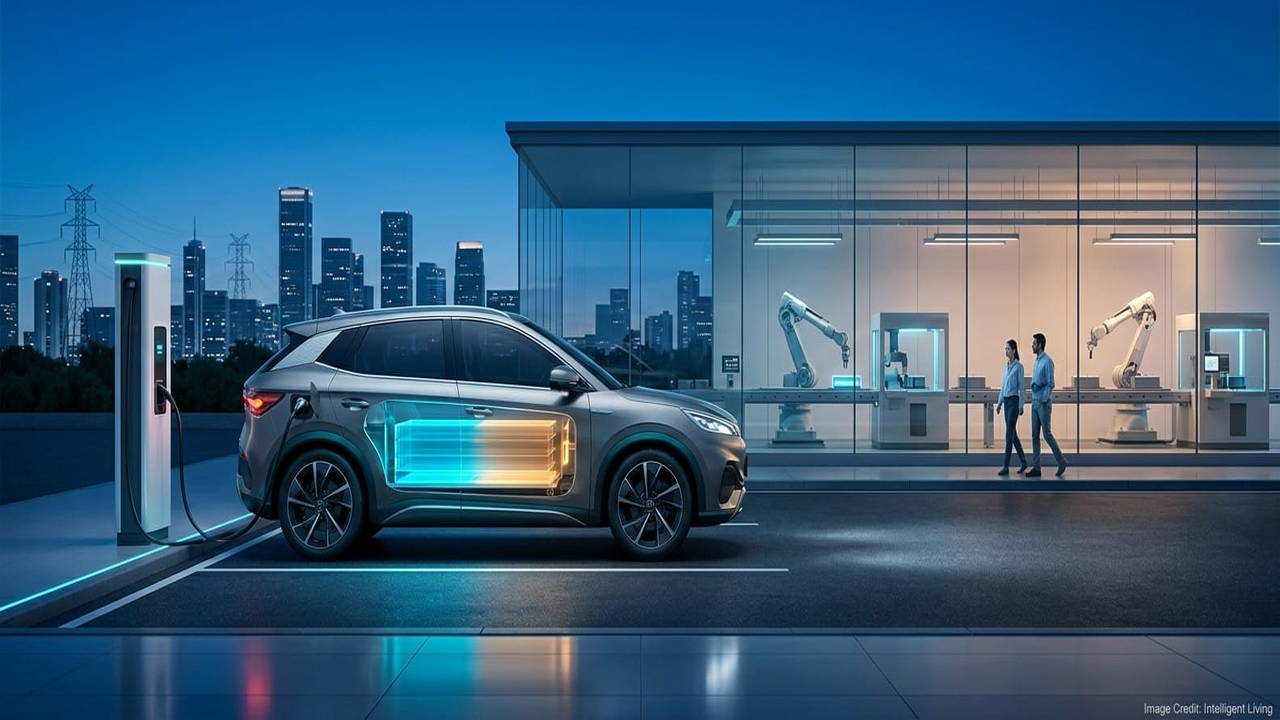
The electric vehicle (EV) market is urgently seeking advancements in driving range, charging speed, and battery safety. Current mainstream lithium-ion batteries rely on liquid electrolytes, which pose risks of fire and performance degradation due to dendrite formation. All-solid-state batteries (ASSBs) offer a fundamental solution to these challenges but have faced significant hurdles in material science, interfacial stability, and especially the establishment of robust mass production processes.
Key Findings and Technical Breakthroughs
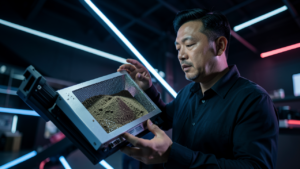
Greater Bay Technology (GBT), a prominent Chinese battery startup, has achieved a critical milestone by announcing the production of its first A-sample all-solid-state EV battery cells on its manufacturing line. This development is significant because it moves beyond laboratory-scale prototypes to actual production within an infrastructure designed for future mass manufacturing.
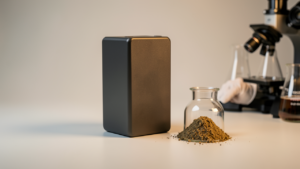
These A-sample cells are completely free of liquid electrolytes. GBT asserts that its proprietary composite electrolyte approach is suitable for large-scale production and has successfully passed multiple stringent stress tests without any explosions or fires. This validates one of the core advantages of solid-state technology: enhanced safety.
With strong backing from the GAC Group, GBT’s batteries are targeting impressive performance specifications:
- Energy Density: Aims for 260 Wh/kg, with a target of up to 500 Wh/kg. This would significantly exceed the performance of current lithium-ion batteries (typically 250-350 Wh/kg).
- Driving Range: Achieving the 500 Wh/kg target is expected to enable a single charge range of over 621 miles (approximately 1,000 km), which could substantially mitigate EV range anxiety.
- Charging Capability: The company is working towards stable fast-charging capabilities at 2C to 3C rates.
According to reports from China’s NE Times, GBT intends to begin mass production of these all-solid-state batteries and their integration into EVs by the end of 2026.
Technical Significance and Outlook
GBT’s success in producing A-samples on a manufacturing line indicates that the commercialization of ASSBs is progressing with concrete timelines and established manufacturing infrastructure. The involvement of a major Chinese automotive manufacturer like GAC Group further underscores the high probability of early market introduction for this technology. In the EV market, such significant improvements in range and safety are poised to dramatically alter the competitive landscape.
However, further validation and disclosure are needed regarding actual in-vehicle performance, long-term durability, and cost competitiveness at GWh-scale production. The rapid pace of technological development and commercialization by Chinese players represents a notable trend in the global battery industry, exerting pressure on other key players to accelerate their own commercialization efforts.
Source: https://www.intelligentliving.co/us-solid-state-batteries-2026-greater-bay/


Comments