


Key Findings
Greater Bay Technology (GBT) has transitioned 1 GWh of existing lithium-ion production capacity to series production of all-solid-state battery cells in Nansha, Guangzhou. The company reports that its cells have passed all cell-level safety tests required by China’s GB 38031-2025 standard, including a third-party nail penetration test on fully charged cells that resulted in no fire or explosion.
Technical Details
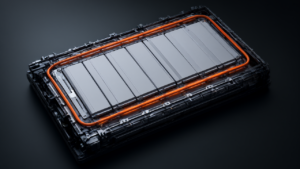
The GBT platform supports specific energy ranging from 260 to 480 Wh/kg across different generations. The first generation utilizes automotive-grade pouch formats and established electrode materials to facilitate vehicle qualification, while subsequent generations will incorporate lithium-metal anodes. To meet the GB/T 48093.1-2026 standard—which requires a cell to lose less than 0.5% of its mass when baked in a vacuum at 120° C for six hours—GBT’s cells were verified by the National Power Battery Innovation Center.
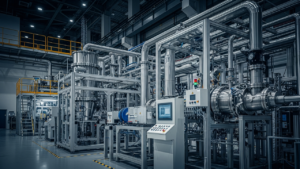
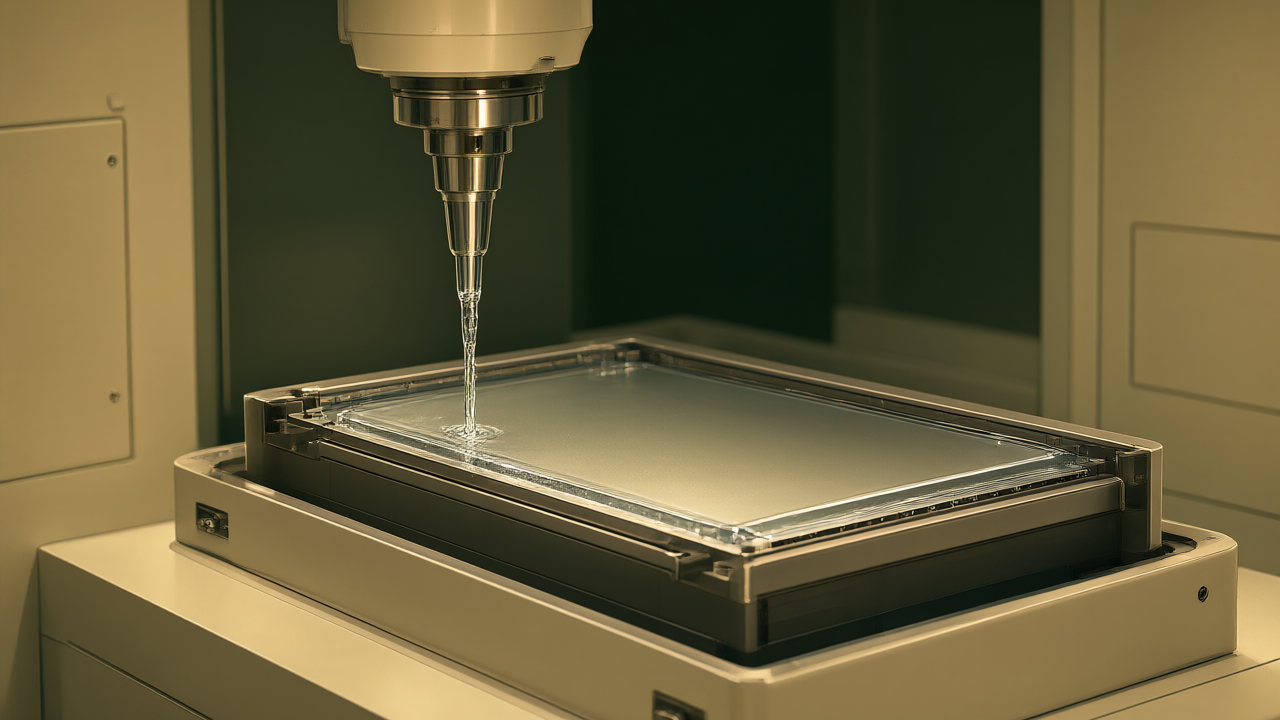
The production process employs an organic-inorganic composite electrolyte introduced as a liquid precursor and solidified in place. This method allows GBT to use conventional lithium-ion equipment for electrode preparation, stacking, formation, and testing. The only significant modification was the rebuilding of the electrolyte-filling station to enable injection and curing within a dry, oxygen-free micro-environment.
Background & Context
GBT has established strategic cooperation agreements with Hubei Liming Lithium Technology (a battery-pack maker) and the Shenzhen Vertical Take-off and Landing Aircraft Innovation Center for eVTOL development. In Europe, the company has partnered with electric light commercial vehicle developer FLYNT.
Significance & Outlook
The conversion of the Nansha plant highlights a flexible manufacturing strategy; the remaining capacity of the 4 GWh plant can be converted based on orders, and the converted lines can switch back to lithium-ion production. According to founder and CTO Huang Xiangdong, the company moved from A-samples in April to series production in October, suggesting a rapid deployment timeline for existing facility upgrades.
Get our weekly technology intelligence — free
Receive an infographic that lets you judge at a glance whether each field’s analysis report is worth reading.
Subscribe Free — Weekly Tech Intelligence
By subscribing, you’ll receive Troy-Technical’s weekly technology intelligence newsletter.
- Your email and selected fields are used only to deliver the newsletter.
- We never share your information with third parties.
- You can unsubscribe anytime via the link in each email.
See our Privacy Policy for details.
Takes about a minute · Unsubscribe anytime