Key Findings
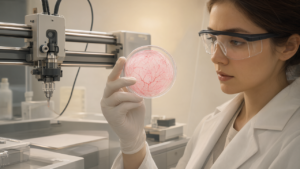
Researchers at the UCLA Health Jonsson Comprehensive Cancer Center have developed a pioneering platform that integrates 3D bioprinting, advanced imaging, and artificial intelligence (AI). This new technology allows for rapid monitoring of therapeutic responses in patient-derived tumor organoids, significantly accelerating the identification of promising cancer therapies. By enabling more detailed and dynamic evaluations of treatment efficacy compared to conventional screening methods, it represents a major stride towards realizing personalized cancer treatment.
Technical and Clinical Details
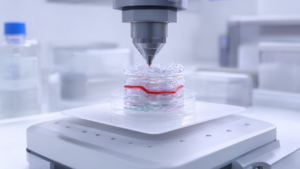
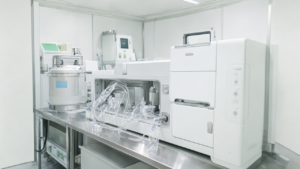
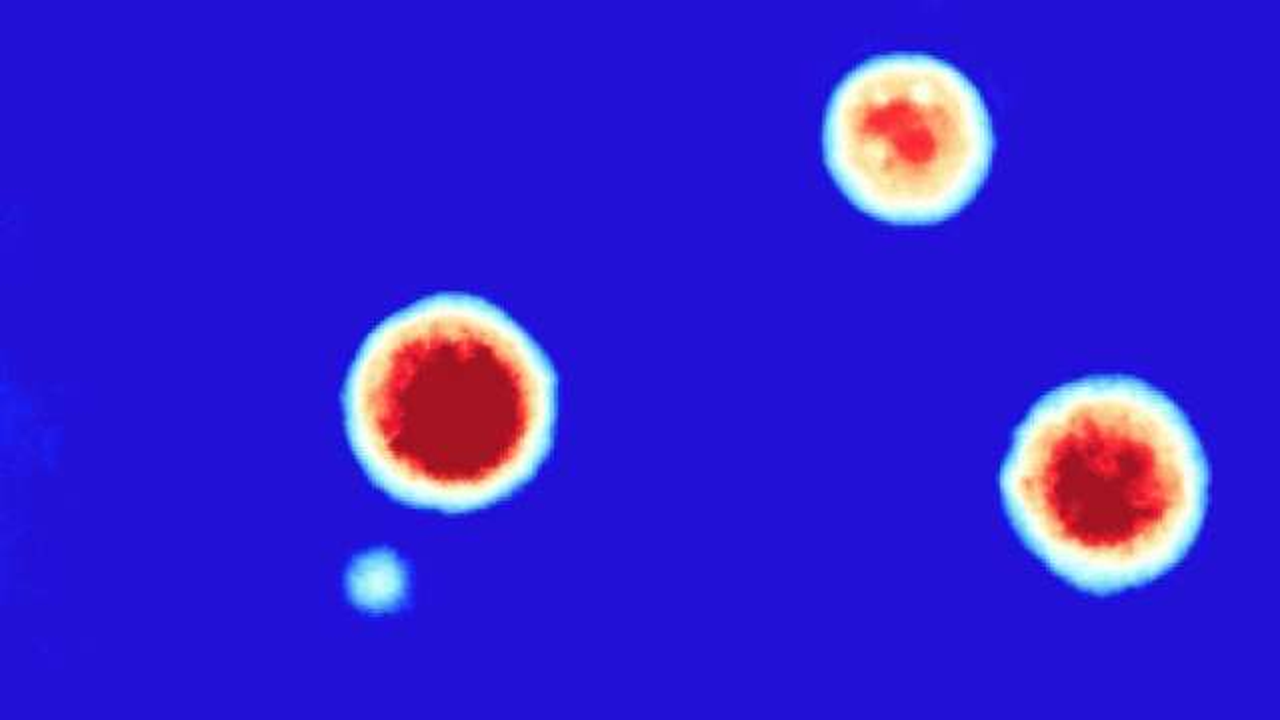
At its core, the platform leverages 3D bioprinting to create highly reproducible tumor organoids from patient samples, which are then exposed to various therapeutic agents. Advanced imaging techniques capture real-time, continuous cellular changes within individual organoids, generating vast amounts of image data. AI algorithms analyze this data to automatically detect subtle responses—such as organoid growth, viability, morphological changes, and gene expression patterns—in relation to different drug types and concentrations, thereby predicting the most effective treatments. A key feature is its ability to simultaneously evaluate numerous drug candidates at high throughput, efficiently narrowing down optimal therapeutic strategies from a vast array of possibilities.
Background and Industry Context
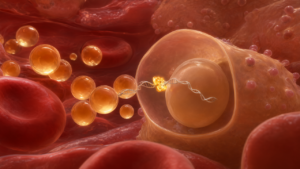
Cancer drug development is a notoriously lengthy and costly process, often plagued by the failure of promising preclinical candidates in clinical trials. Traditional 2D cell cultures and animal models struggle to accurately replicate the human tumor microenvironment, limiting their predictive power for treatment response. Tumor organoids, which more precisely reflect the characteristics of a patient’s tumor, have garnered significant attention as an approach for personalized medicine. UCLA Health’s new platform overcomes these challenges by combining the high biological relevance of organoids with efficient AI-driven data analysis, paving the way for faster and more effective drug discovery.
Future Outlook
This AI-integrated 3D bioprinting platform holds immense potential to substantially accelerate the cancer drug development pipeline. Researchers will be able to identify the most promising drug candidates with significantly less time and resources. In the future, the vision includes integrating this precision medicine approach into routine clinical practice, where individual patient tumor organoids can be used to screen for optimal therapies. This is expected to lead to personalized, effective treatments with fewer side effects for each cancer patient, thereby enhancing the overall quality of cancer care. Furthermore, AI-driven data analysis could contribute to the discovery of novel biomarkers and the elucidation of drug resistance mechanisms.
Get our weekly technology intelligence — free
Receive an infographic that lets you judge at a glance whether each field’s analysis report is worth reading.
Subscribe Free — Weekly Tech Intelligence
By subscribing, you’ll receive Troy-Technical’s weekly technology intelligence newsletter.
- Your email and selected fields are used only to deliver the newsletter.
- We never share your information with third parties.
- You can unsubscribe anytime via the link in each email.
See our Privacy Policy for details.
Takes about a minute · Unsubscribe anytime