Project Context and Unique Value Proposition
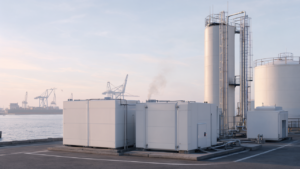
As part of the broader energy transition strategy in the United States, the production and utilization of clean hydrogen are crucial for decarbonizing heavy industries and specialized sectors. Aternium’s planned clean hydrogen production project in the Mid-Atlantic region stands out with its innovative, multi-purpose approach: in addition to generating hydrogen as an energy carrier, it aims to simultaneously extract heavy water (deuterium), a high-value co-product. This integrated objective significantly enhances both the economic and strategic value of the project.
Collaboration with Siemens Energy and the Role of FEED
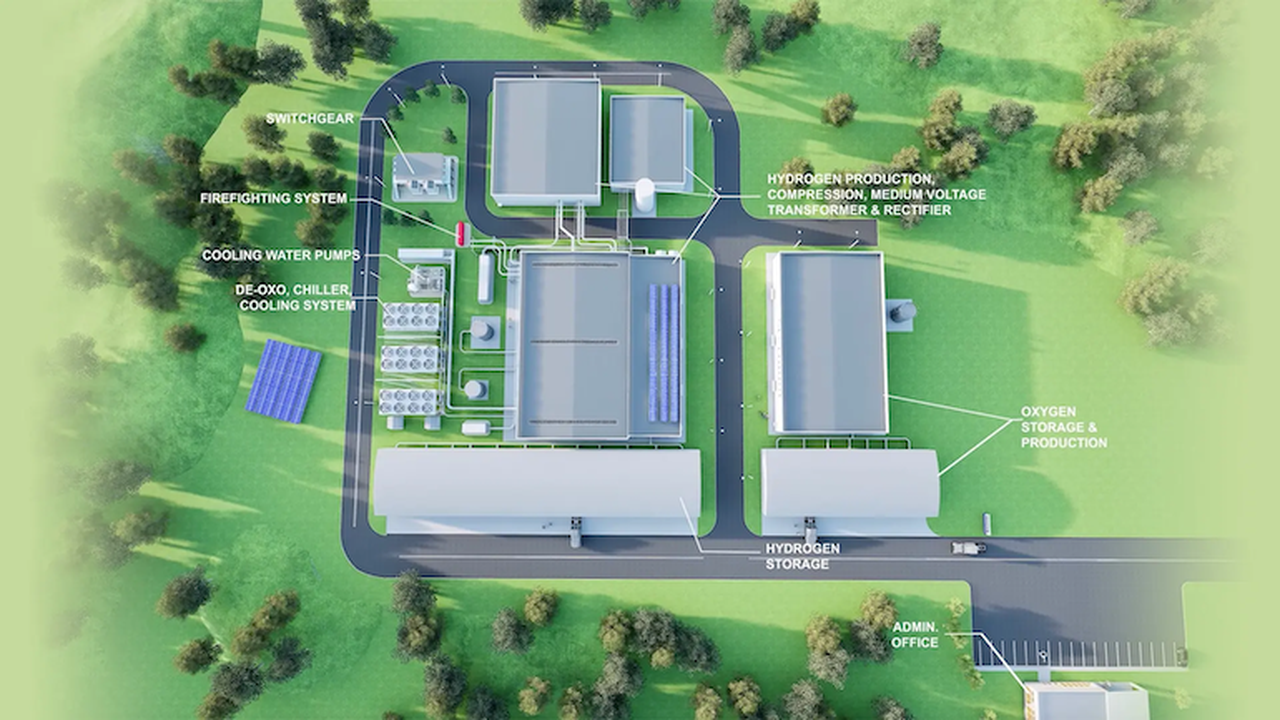
For this ambitious undertaking, Aternium has selected Siemens Energy, a global leader in energy technology, as its Front-End Engineering Design (FEED) partner. The FEED phase is a critical initial stage that involves evaluating technical feasibility, optimizing plant design, refining cost estimates, and identifying and mitigating risks. Siemens Energy will leverage its extensive engineering expertise and experience across the hydrogen value chain, including electrolyzer technology, to ensure the robust and efficient design of Aternium’s clean hydrogen production facility.
A primary focus of the FEED work is the standardization and optimization of the plant design. This includes adhering to the highest safety standards, complying with strict environmental regulations, and fulfilling long-term operational requirements. Kiewit Engineering Group will also contribute its deep experience to support the FEED, further enhancing the project’s viability and ensuring comprehensive engineering considerations.
Technical Significance and Industrial Impact
The most notable technical significance of this project lies in its integration of clean hydrogen production with heavy water extraction. Heavy water (D₂O) is a critical isotope used not only as fuel and neutron moderator in nuclear fusion reactors but also in advanced technology sectors such as semiconductor manufacturing, fiber optics, OLED displays, and pharmaceuticals. By extracting heavy water as a byproduct of hydrogen production, the project can address multiple high-value markets and diversify its revenue streams. This provides a more robust economic foundation compared to single-purpose hydrogen production facilities and enables contributions to a broader low-carbon industrial ecosystem. The forthcoming challenge will be to overcome the technical complexities of the integrated process and demonstrate large-scale commercial viability.
- Integrated project for clean hydrogen production and heavy water extraction.
- Heavy water used in nuclear fusion, semiconductors, pharmaceuticals, and other advanced industries.
- Siemens Energy and Kiewit Engineering Group lead the FEED phase.