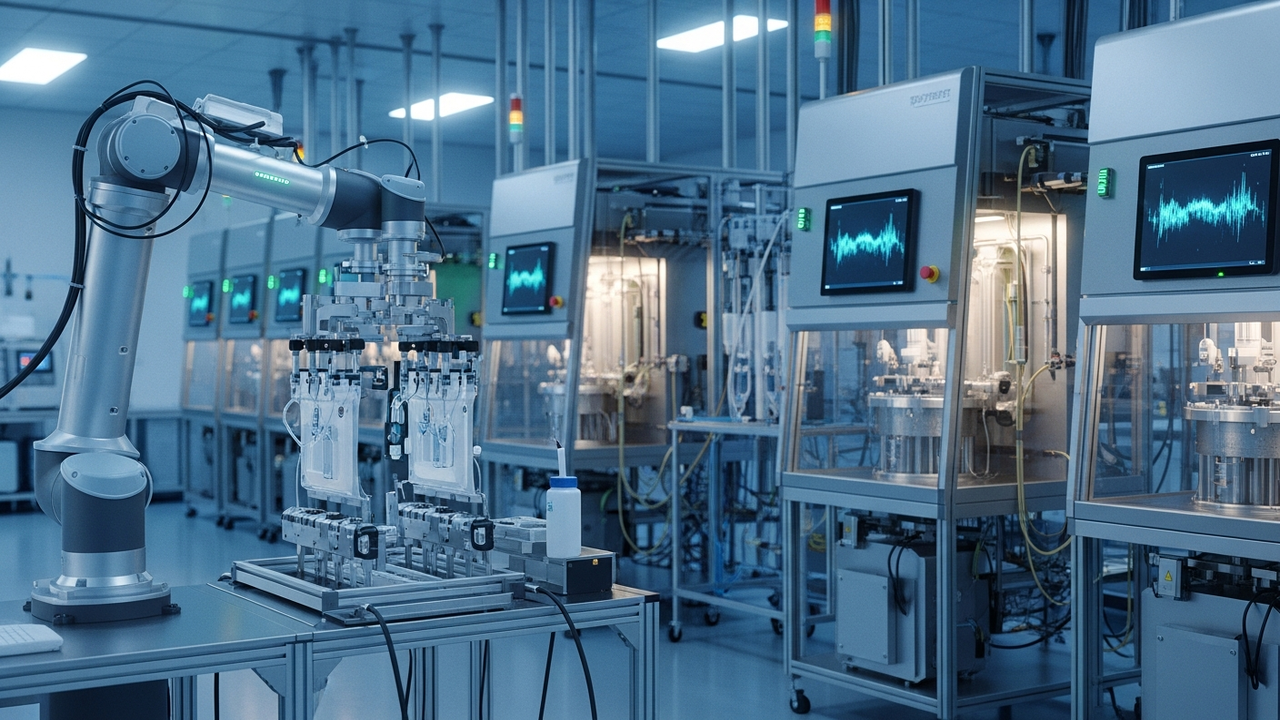
Background and Challenges in MSC Therapeutic Manufacturing
Mesenchymal Stem Cell (MSC) therapies hold immense promise in regenerative medicine due to their potent immunomodulatory and tissue repair capabilities. However, the successful commercialization and widespread patient access to MSC therapeutics are critically dependent on establishing large-scale, cost-effective manufacturing processes. Traditional MSC production often involves extensive manual steps, which contribute to quality variability, high contamination risks, and inherent limitations in scalability.
The transition from manual to automated manufacturing systems, particularly for late-stage clinical development and commercial production, represents a significant hurdle in terms of cost, time, and regulatory approval. To overcome these challenges, strategic collaborations between companies possessing specialized technologies and expertise are becoming increasingly crucial.
Terumo BCT and Steminent’s Strategic Collaboration
Terumo Blood and Cell Technologies (Terumo BCT) and Steminent Biotherapeutics Inc., a Taipei-based stem cell biopharmaceutical company, have announced a strategic collaboration aimed at accelerating the manufacturing readiness for late-stage mesenchymal stem cell (MSC) therapies. This partnership focuses on key objectives and approaches:
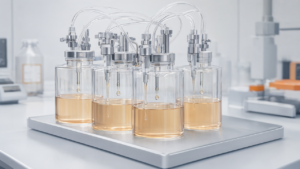
- Optimizing Automated Cell Expansion: Central to the collaboration is the optimization of automated cell expansion for Steminent’s late-stage MSC-based therapy, targeting both clinical development and future commercial production. This will leverage Terumo BCT’s Quantum Flex™ Automated Cell Expansion System to build efficient and scalable automated culture systems.
- Developing Scalable Production Workflows: Terumo BCT will lead the development of scalable production workflows designed to ensure batch-to-batch consistency and process robustness. This is expected to stabilize quality and improve cost-efficiency in large-scale manufacturing.
- Supporting Commercialization Goals: The collaboration is designed to help Steminent achieve its commercialization goals across key markets including Taiwan, Japan, Korea, and the United States. Automated manufacturing processes are essential for securing regulatory approvals and enabling rapid market entry in these regions.
Industry Impact and Future Outlook
This partnership between Terumo BCT and Steminent represents a significant milestone for the commercialization of MSC therapeutics. The automation of the manufacturing process is expected to have several profound impacts on the industry:
- Reduced Manufacturing Costs: By minimizing manual labor and improving efficiency, the manufacturing costs of MSC therapies can be reduced, potentially leading to lower treatment costs and broader accessibility.
- Enhanced Quality Consistency and Reliability: Automated and closed systems significantly reduce the risk of human error and contamination, leading to a substantial improvement in product quality consistency and reproducibility. This is vital for meeting stringent regulatory quality standards.
- Expanded Patient Access: The establishment of large-scale, stable manufacturing capabilities will enable the supply of MSC therapies to a greater number of patients, addressing critical unmet medical needs globally.
- Driving Innovation in Asia-Pacific: The collaboration between a Taiwan-based company and a global technology provider will accelerate regenerative medicine innovation in the Asia-Pacific region, further solidifying the region’s position as a key hub for regenerative medicine.
Moving forward, this automated manufacturing platform is expected to be applied not only to MSC therapies but also to other cell therapy products, powerfully supporting the overall growth of the regenerative medicine sector. This showcases how targeted automation can overcome traditional biological manufacturing hurdles.