New Technology– category –
-

iPSC-Derived Scar Organoid (SCO) Model Established, Revolutionizing Human Hypertrophic Scar Pathogenesis and Antifibrotic Drug Screening
MDPI Switzerland Overview Researchers have successfully developed an iPSC-derived scar organoid (SCO) model that accurately recapitulates key features of human hypertrophic scars, including collagen accumulation and tissue contraction. T... -
STEMCELL Technologies Supports Organoid Research with Standardized hPSC Lines and Differentiation Kits
STEMCELL Technologies Canada Overview STEMCELL Technologies offers high-quality human iPSC lines and differentiation kits, including the STEMdiff™ Intestinal Organoid Kit, to support diverse research applications such as organoid generat... -
ACS Study: Novel Laminin-511 Inspired 3D Zwitterionic Hydrogel (PCB-LN511) Significantly Outperforms Matrigel in hPSC Culture
ACS Publications USA Overview A groundbreaking study published in ACS Publications reports the development of a novel 3D zwitterionic hydrogel, PCB-LN511, inspired by Laminin-511, for human pluripotent stem cell (hPSC) culture. This inno... -
Organoid Revolution: 3D Models Set New Standard for Drug Discovery and Development
学術論文 (UU.DIVA-PORTAL.ORG) スウェーデン Overview Organoids are rapidly transforming drug discovery and development, serving as miniature 3D tissue models that offer significantly enhanced physiological relevance compared to traditiona... -
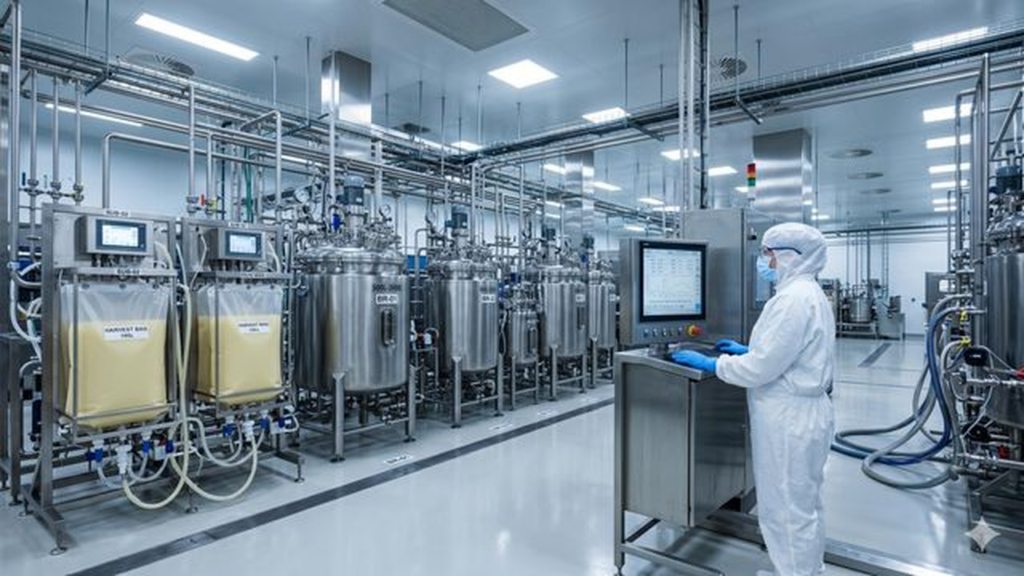
Biomanufacturing Quality Control Transforms with Real-time PAT and AI Integration Under FDA ICH Q13 Guidance
Technology Networks UK Overview Process Analytical Technology (PAT) in biomanufacturing is undergoing a paradigm shift from endpoint testing to real-time, in-line measurement, driven by FDA's ICH Q13 guidance on continuous manufacturing,... -
CellShip® Method Preserves iPSC-Derived Cardiac Organoids for 7 Days at Room Temperature, Outperforming Cryopreservation
MDPI Switzerland Overview A novel room-temperature preservation method using CellShip® has successfully maintained the viability and functionality of human iPSC-derived cardiac organoids for up to seven days, significantly surpassing the... -
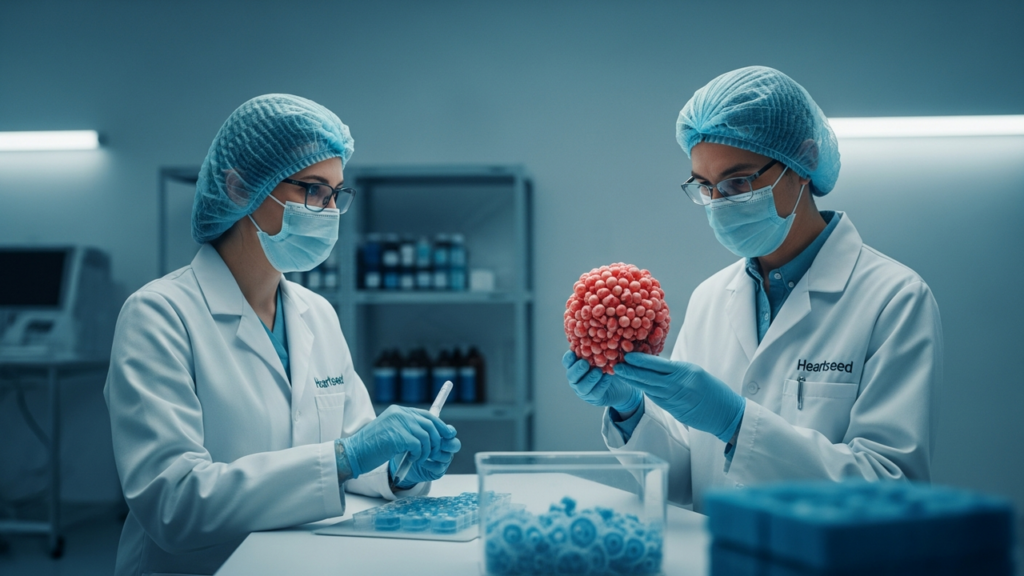
Heartseed Doses First Patient in Phase I/II EMERALD Study with iPSC-Derived Cardiomyocyte Spheroids HS-005 for Severe Heart Failure; Nikon CeLL innovation Provides Manufacturing Support
Heartseed Japan Overview Heartseed announced the successful dosing of the first patient in its Phase I/II EMERALD study for HS-005, an iPSC-derived cell therapy for severe heart failure. HS-005 consists of cardiomyocyte spheroids manufac... -
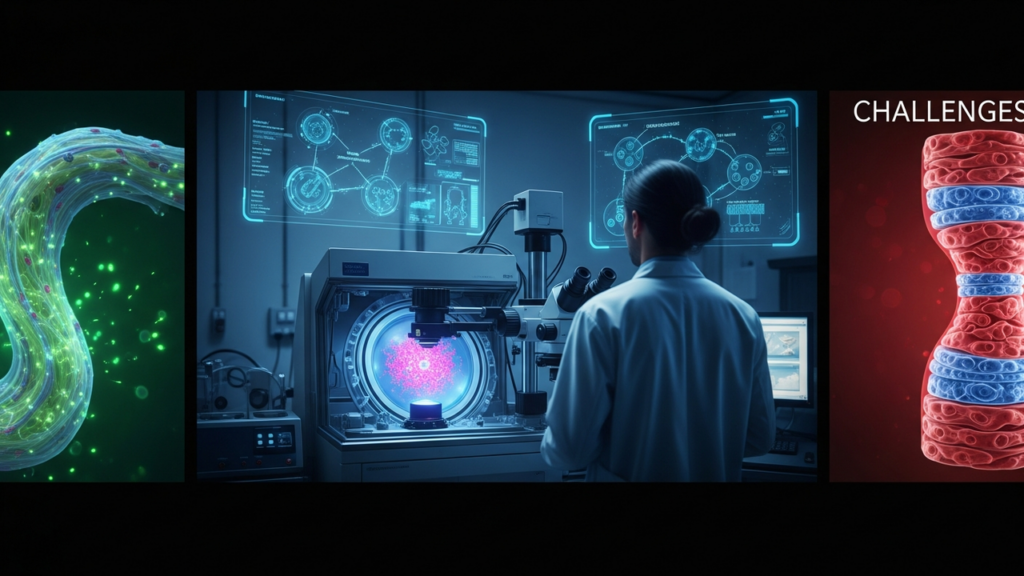
MDPI Paper Analyzes Direct Cellular Reprogramming Advances and Challenges: Functional Transformation of Fibrotic Tissues vs. Safety and Efficiency Bottlenecks
MDPI Switzerland Overview A scholarly article in MDPI reviews advances in direct cellular reprogramming for regenerative medicine, highlighting its potential to transform fibrotic tissues into functional parenchyma. However, it criticall... -
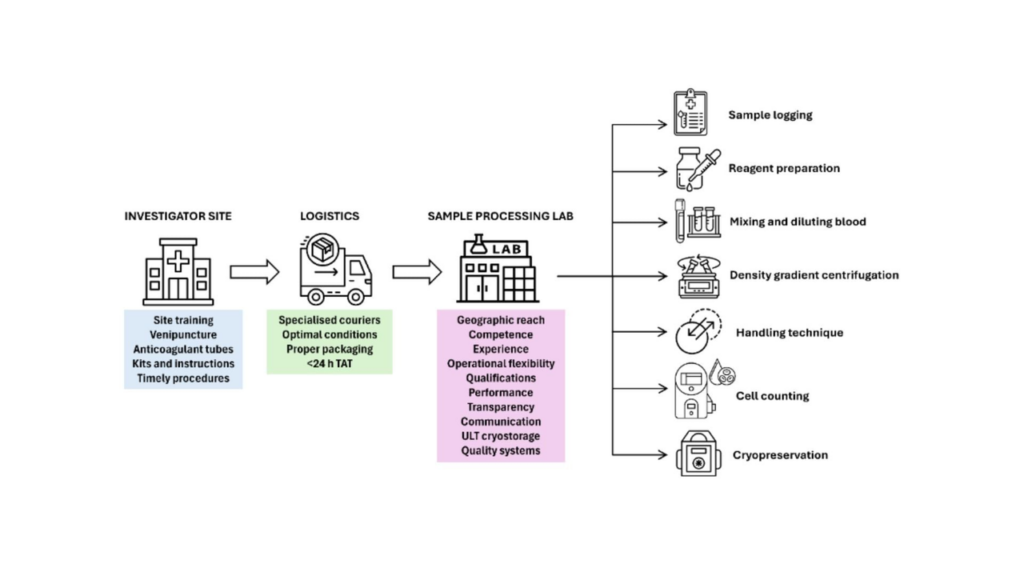
REPROCELL Standardizes and Streamlines PBMC Processing for Multi-Site Clinical Trials with Semi-Automated, Closed Systems and Fully Automated Microfluidic Platforms
REPROCELL Japan Overview A REPROCELL article addresses challenges in Peripheral Blood Mononuclear Cell (PBMC) processing for multi-site clinical trials by introducing innovative solutions to enhance efficiency and standardization. Improv... -
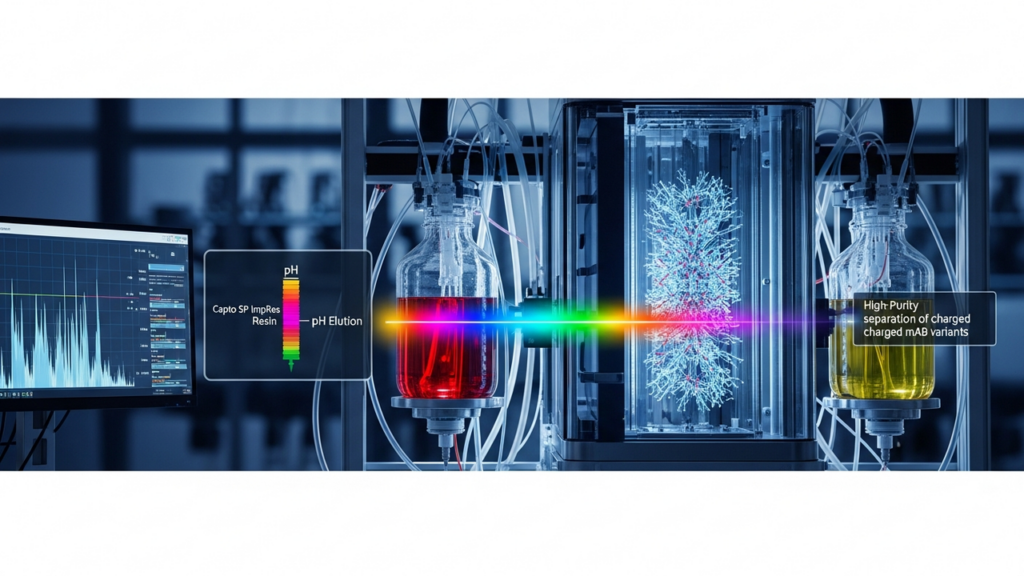
Cytiva Achieves Enhanced mAb Variant Separation and Purity Using IEX and Multimodal Resins, Optimizing Elution pH with Capto SP ImpRes
Cytiva USA Overview Cytiva's latest research demonstrates a significant improvement in separating charged monoclonal antibody (mAb) variants and achieving higher purity using ion exchange (IEX) and multimodal resins. Specifically, optimi...