Background
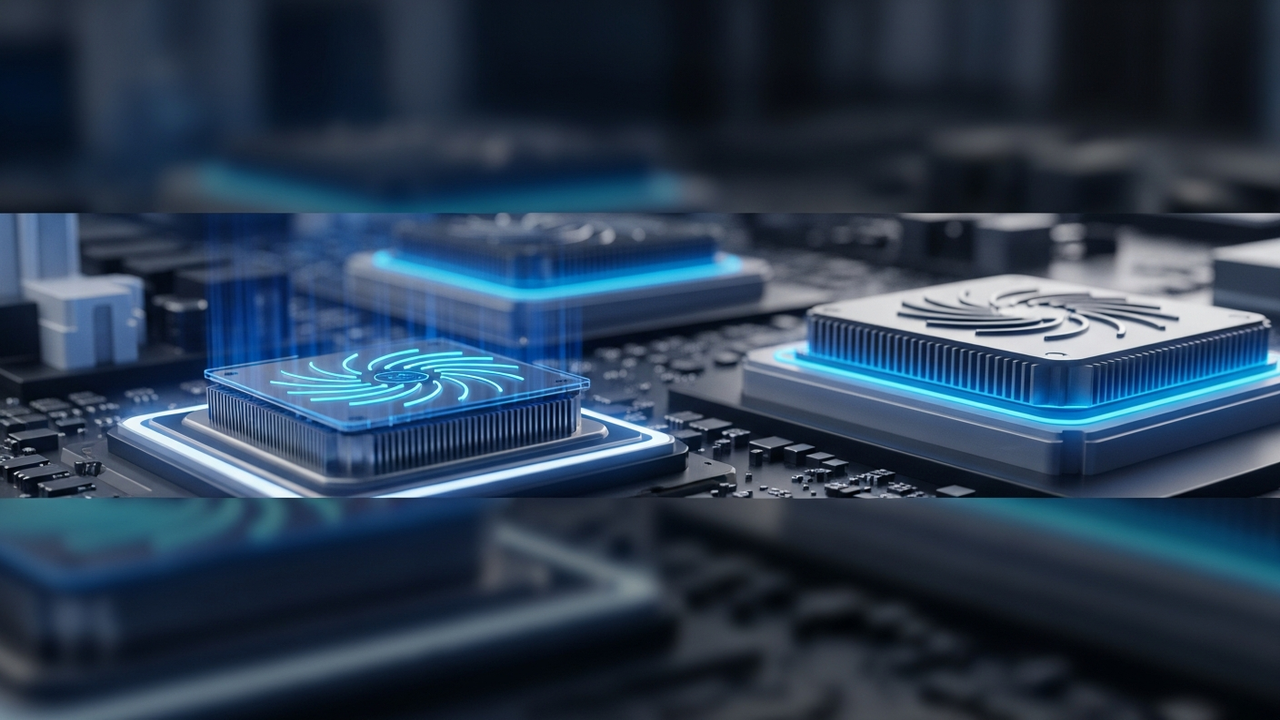
The demand for power electronics devices is rapidly expanding across critical sectors of modern society, including electric vehicles (EVs), renewable energy systems, and industrial motors. These applications necessitate high efficiency and power output, making effective thermal management and sustained reliability under extreme conditions paramount. The performance limits of these devices are often dictated by the thermal and mechanical properties of the materials used in their construction and packaging, underscoring the importance of material innovation.
Key Findings / Results
In an EE Times podcast, Dr. Bruchak Conley from Henkel provided in-depth insights into how advancements in materials science are impacting the reliability and performance of power electronics. Dr. Conley identified the progress in the following material technologies as particularly crucial:
- Die Attach Encapsulants: These materials bond the power chip to its substrate and protect it from environmental stressors. They require high thermal cycling resistance, superior adhesive strength, and the ability to minimize coefficient of thermal expansion (CTE) mismatches between dissimilar materials. High-reliability encapsulants are indispensable for the long-term stable operation of devices, preventing premature failure.
- Thermal Interface Materials (TIMs): TIMs are designed to minimize thermal resistance between heat-generating components and cooling systems within power modules, ensuring efficient heat transfer. Dr. Conley emphasized the necessity for high-reliability epoxy encapsulants to replace traditional silicone gels, which can suffer from outgassing and degradation over time, leading to reduced reliability. More advanced, high-performance thermally conductive pastes are also critical for next-generation systems.
- Copper-Based Pressureless Sintering Pastes: With the advent of wide-bandgap semiconductors like SiC (silicon carbide) and GaN (gallium nitride), which can operate at much higher temperatures, there is a strong demand for joining materials that offer greater thermal stability than conventional solders. Copper-based pressureless sintering pastes provide excellent thermal and electrical conductivity, are lead-free, comply with environmental regulations, and are pivotal for high-performance packaging of next-generation power devices.
These materials are fundamental for constructing robust structures capable of withstanding the severe stresses (thermal cycles, high current densities, vibrations) experienced by power modules. Their selection directly impacts the lifespan and failure rates of the devices.
Technical Significance & Outlook
The evolution of material technologies in power electronics has far-reaching technical and societal impacts, including extended EV range, improved efficiency of renewable energy conversion, and miniaturization and higher efficiency of industrial equipment. Critically, more reliable thermal management solutions are essential to fully unlock the potential of next-generation semiconductors like SiC and GaN, enabling them to operate at their theoretical limits.
Henkel’s commitment to such material innovations helps power device manufacturers overcome design and manufacturing challenges, enabling them to introduce higher-performing, more durable, and more sustainable products to the market. In the future, these advanced material technologies will form the backbone for further advancements in artificial intelligence, smart grids, autonomous driving, and other cutting-edge fields. They will play a crucial role in accelerating the electrification and digitalization of society as a whole, highlighting the indispensable synergy between materials science and the electronics industry in driving future technological breakthroughs.
Source: https://www.eetimes.com/podcasts/the-materials-that-make-power-electronics-work/




Comments