Background: The Unexplored “Language” of Cell Surfaces
The surface of human cells is enveloped by a complex layer of carbohydrate structures known as the glycocalyx. These glycans are known to be involved in numerous crucial biological processes, including cell-to-cell communication, immune responses, cell adhesion, and pathogen recognition. However, due to their diversity and complexity, how these glycan patterns change in response to specific cellular states (healthy, diseased, activated, etc.) and what “information” they convey has remained largely unexplored. There has been a particular need for technologies capable of detailed mapping of glycocalyx changes in diseases like cancer.
Max Planck Institute’s “Glycan Atlasing” Technology
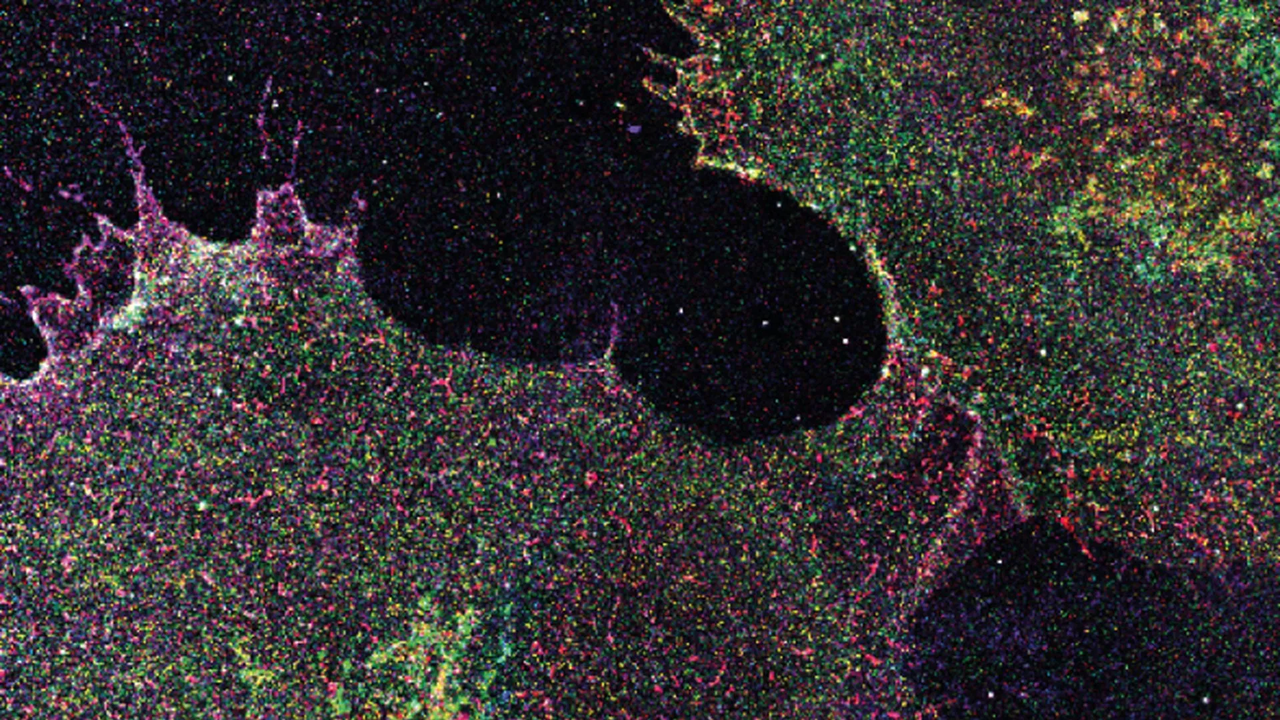
Researchers at the Max Planck Institute for the Science of Light have tackled this uncharted territory by developing a groundbreaking imaging technique called “Glycan Atlasing.” This technology combines high-resolution fluorescence imaging with advanced image analysis algorithms, enabling a comprehensive and detailed mapping of the myriad glycan patterns present on the surface of living cells. This allows for the identification of subtle differences in glycan arrangement and density that accompany changes in cellular state.
Using this Glycan Atlasing technique, the research team made the following significant discoveries:
- Changes in Glycan Patterns with Immune Cell Activation: They observed dramatic changes in glycan patterns on the surface of immune cells upon activation. This suggests that the glycocalyx functions as a dynamic “display,” communicating the cell’s state to its surroundings and other cells during interactions.
- Distinct Surface Signatures in Cancerous Tissues: Compared to healthy cells, cancerous tissues displayed markedly different glycan patterns. These unique surface signatures may be associated with cancer cell proliferation, metastasis, and immune evasion, potentially serving as biomarkers for disease detection.
These findings provide the first direct evidence that the glycocalyx acts not merely as a protective layer but as a “hidden language” displaying internal cellular information to the outside world.
Technical Significance and Future Outlook
This “Glycan Atlasing” technology and its associated discoveries hold the potential to revolutionize the fields of life science and medical diagnostics. Its technical significance and outlook are as follows:
- Early Disease Diagnosis: Changes in cell surface glycan patterns are known to occur in many diseases, including cancer and inflammatory conditions. This technology could enable the detection of these changes at an ultra-early stage, potentially leading to earlier and non-invasive diagnoses than conventional methods.
- Contribution to Personalized Medicine: Detailed analysis of individual patient’s cell surface glycan patterns could help predict disease progression and treatment responses, aiding in the selection of more personalized therapeutic strategies.
- Identification of Drug Targets: By elucidating disease-specific glycan patterns, new drugs and therapies targeting these specific structures could be developed. For instance, designing drugs that bind to cancer-specific glycans could lead to more selective cancer treatments.
- Deepening Basic Biology: This research enhances the understanding of fundamental biological phenomena, such as how cells process information and adapt to their environment. It will also contribute to the advancement of cell control technologies in regenerative medicine and tissue engineering.
This study opens a new diagnostic window in life sciences and represents a pioneering achievement with significant implications for future medicine.
Source: https://www.sciencedaily.com/releases/2026/05/260517211431.htm








Comments