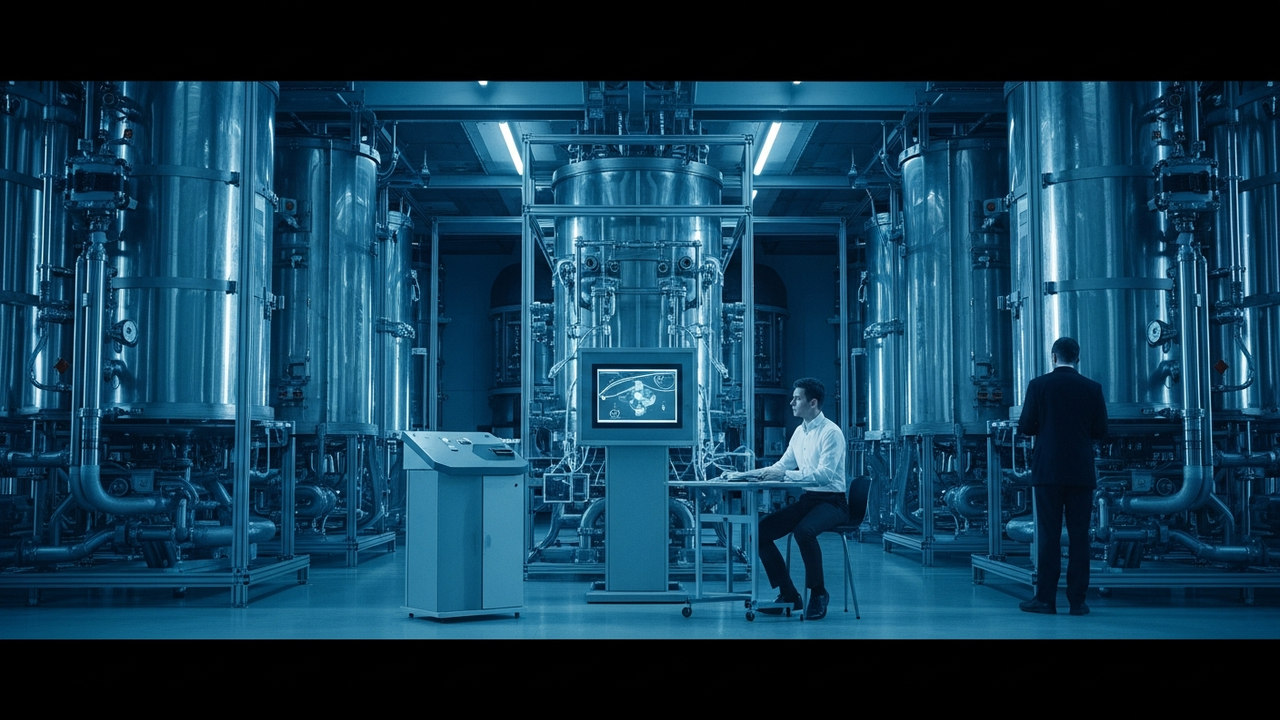
Background: The Importance of Thermal Storage in a Sustainable Energy Society
The increasing adoption of renewable energy sources is central to addressing climate change, yet their intermittency necessitates efficient energy storage systems for stable energy supply. In addition to electrical storage (batteries), thermal storage is gaining importance across a wide range of applications, including industrial waste heat recovery, building climate control, and concentrated solar power (CSP). Phase Change Materials (PCMs) are particularly notable as highly efficient thermal energy storage media due to their ability to store and release large amounts of thermal energy within a relatively narrow temperature range by utilizing latent heat. From a circular economy perspective, the sustainability of PCMs is also a crucial consideration.
Recent Advances and Challenges in PCM Technology
The review published by Deakin University comprehensively summarizes the latest research findings on PCMs for thermal energy storage systems. This review highlights two primary aspects crucial for improving PCM performance:
- Improved Thermal Conductivity: Many PCMs, despite their high latent heat storage capacity, suffer from low thermal conductivity. Low thermal conductivity slows down heat absorption and release rates, reducing system responsiveness. The review discusses various methods to enhance thermal conductivity, such as nanoparticle compounding, introduction of extended surface area structures, and the addition of high thermal conductivity fillers like graphene and carbon nanotubes.
- Optimization of Thermodynamic Properties: The thermodynamic properties of PCMs (e.g., melting point, solidification point, latent heat, supercooling) must be carefully selected and optimized for specific application requirements. The review examines the inherent properties of different PCM types (paraffins, fatty acids, salt hydrates) and chemical approaches or microencapsulation techniques used to modify and enhance their performance.
Furthermore, the review emphasizes that both organic and inorganic PCMs are recyclable, irrespective of their composition. This aligns with the principles of a circular economy, considering the entire lifecycle of materials, and enhances the value of PCMs as sustainable energy solutions.
Impact and Future Outlook
This comprehensive review serves as a valuable resource for PCM researchers and developers, contributing to the design and optimization of next-generation thermal energy storage systems. Advances in PCM technology are expected to have a significant impact across broad fields, including:
- Enhanced Building Energy Efficiency: Integration of PCMs into smart windows, wall materials, and flooring to stabilize indoor temperatures and reduce heating/cooling loads.
- Renewable Energy Integration: Improvement of thermal storage efficiency in solar thermal and geothermal power generation, along with grid stability.
- Industrial Waste Heat Recovery and Utilization: Efficiently recovering and reusing waste heat from factories to reduce energy costs and emissions.
- EV Battery Thermal Management: Preventing battery overheating and maintaining optimal operating temperatures to improve lifespan and safety.
- Smart Textiles: Application in fibers with thermal regulation functions to maintain comfortable temperatures within clothing.
PCMs are critical functional materials for addressing diverse challenges in heat management and energy storage within new energy systems, and their continuous technological innovation is essential for building a sustainable and energy-efficient future society.








Comments