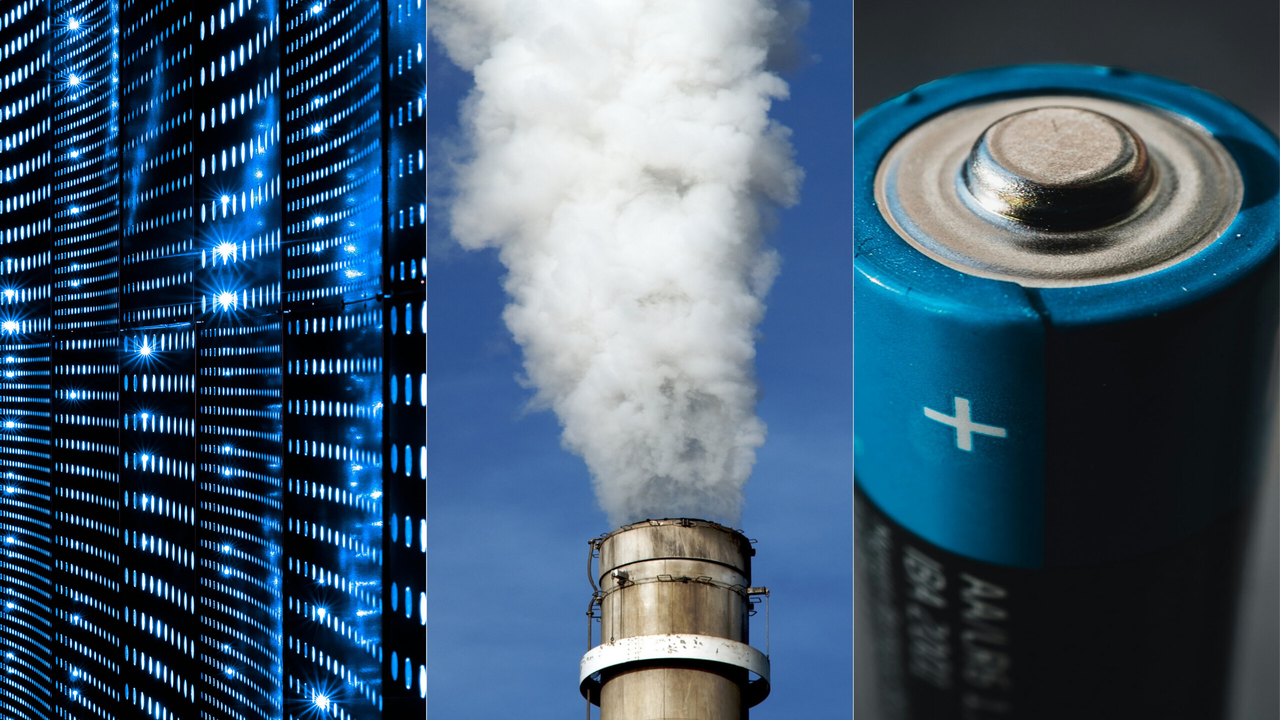
Background: Pressing Challenges in Energy Storage and Conversion
In the pursuit of mitigating global warming and realizing a sustainable society, the development of clean energy technologies is a worldwide priority. The expanded adoption of renewable energy sources, in particular, necessitates highly efficient energy storage systems to compensate for their intermittency, alongside carbon recycling technologies that effectively utilize carbon dioxide (CO2). Concurrently, the proliferation of electric vehicles and portable devices has amplified the demand for safer, faster-charging batteries. Addressing these critical challenges fundamentally relies on innovations in materials science.
MIT Energy Initiative’s Strategic Investments
To address these pressing issues, the Massachusetts Institute of Technology (MIT) Energy Initiative has strategically committed funding to six promising early-stage energy research projects. These initiatives, employing interdisciplinary approaches, aim for breakthroughs in next-generation energy technologies. Two particularly noteworthy projects focused on materials science are:
- Building a Material Data Library for Fast-Charging Batteries: This project leverages new physics-informed computational models to deeply understand the behavior of material interfaces and novel cathode coatings within batteries. Battery performance, especially charging speed and lifespan, is significantly influenced by reactions at the electrode-electrolyte interface. By precisely simulating atomic-level interactions and compiling this data into a comprehensive library, the project expects to establish design guidelines for high-performance, faster-charging, and safer battery materials.
- Developing High-Efficiency Catalysts for CO2-to-Methane Conversion: Another groundbreaking project focuses on developing a novel catalytic system for efficiently converting carbon dioxide (CO2) into methane (CH4), a valuable fuel. This catalyst is designed to self-assemble on nanostructured surfaces, aiming to maximize reaction efficiency and selectivity. While CO2 is a major greenhouse gas, its effective utilization could significantly contribute to a carbon-circular society. Specifically, the process of converting CO2 to methane using electricity derived from renewable sources, alongside green hydrogen production, represents a promising option for decarbonized fuel technologies.
Impact and Future Outlook
These MIT-led research endeavors are laying the groundwork for substantial progress in the clean energy sector. The research on fast-charging batteries is expected to enhance the range and convenience of electric vehicles, accelerating their adoption. Meanwhile, the CO2 conversion catalyst research holds the potential to treat emitted CO2 as a resource, generating sustainable fuel sources.
Although these are early-stage projects, the infusion of MIT’s extensive resources and academic expertise is expected to generate significant impact in the future. Through the convergence of fields such as materials science, computational chemistry, and electrochemistry, remarkable improvements in energy storage and conversion efficiency are anticipated, marking a crucial step towards a cleaner and more sustainable energy system.
Source: https://energy.mit.edu/news/mit-energy-initiative-funds-six-early-stage-energy-research-projects/









Comments