Key Findings
An Artificial Intelligence (AI)-powered ultrasensitive biosensor for exosome detection has been developed, holding significant promise to revolutionize early cancer diagnosis. This novel platform integrates a matrix-enhanced Cp-Pt-TiCT MXene emitter with a proximity-dependent signaling strategy, achieving an astonishing detection limit of merely 35 particles/µL, enabling the detection of cancer-derived exosomes at extremely low concentrations.
Technical / Clinical Details
This innovative biosensor combines the following key technological elements:
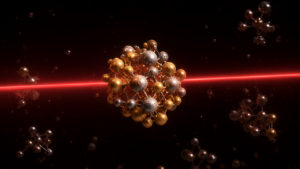
- Matrix-Enhanced Cp-Pt-TiCT MXene Emitter: MXenes are 2D nanomaterials with high electrical conductivity and large surface area, exhibiting great potential in biosensor applications. The composite of Cp (cerium oxide) and Pt (platinum) nanoparticles with TiCT MXene significantly boosts the emitter’s catalytic activity and signal amplification capabilities. This composite material maximizes electrochemical or optical signal transduction efficiency upon exosome binding.
- Proximity-Dependent Signaling Strategy: In this strategy, when exosomes bind to the sensor surface via specific biorecognition molecules (e.g., antibodies), the distance between the emitter and reporter molecules changes. This distance alteration triggers a dramatic shift in fluorescence, electrochemiluminescence, or electrical signals, enabling highly sensitive detection of exosomes.
- Ultrasensitive Detection Limit: The developed biosensor achieves an exceptionally low detection limit of 35 particles/µL. This represents several orders of magnitude higher sensitivity compared to many conventional exosome detection methods, which is critical for detecting early-stage cancer-derived exosomes present in very low concentrations in bodily fluids like blood.
- Integration of AI (Support Vector Machine, SVM) Algorithms: The SVM algorithm analyzes multiple data points (e.g., signal intensity, reaction kinetics) obtained from the sensor to automatically distinguish exosome phenotypes derived from different cancer cell lines. This AI-assisted analysis enables the extraction of information regarding cancer type and progression from complex biomarker patterns, significantly improving diagnostic accuracy and objectivity.
This platform functions as part of a liquid biopsy to non-invasively analyze bodily fluid samples such as blood, urine, and saliva, enabling cancer screening, early diagnosis, and monitoring of treatment efficacy with minimal patient burden.
Background & Context
Exosomes are nano-sized vesicles involved in intercellular communication, and those secreted by cancer cells carry a wealth of information regarding cancer type, progression, and treatment resistance. However, their extremely low concentration in blood has posed challenges for highly sensitive and specific detection. Traditional biopsies are invasive and have limitations for early diagnosis. This AI-powered biosensor, with its ultrasensitivity and AI-driven identification capabilities, opens new horizons in the field of liquid biopsy for cancer, promising to significantly contribute to improved patient prognoses through early diagnosis.
Strategic Significance & Outlook
This technology has broad potential for applications in early diagnosis of multiple cancer types, guiding therapeutic selection, monitoring treatment response, and early detection of recurrence. Future challenges will include large-scale clinical validation, standardization, and further miniaturization and portability. With continued integration of AI and sensor technology, it is expected to evolve into a cost-effective diagnostic platform capable of multiplexed detection of a broader range of disease biomarkers. This will accelerate the advancement of personalized medicine and public health.