Key Findings
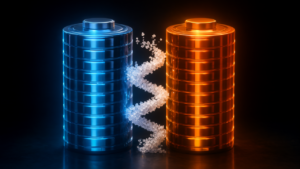
Hard carbon derived from asphalt is attracting significant attention as a next-generation anode material for lithium-ion batteries (LIBs) and, particularly, for sodium-ion batteries (NIBs). This material not only offers a decisive cost advantage over conventional graphite anodes for LIBs but also has been experimentally demonstrated to achieve a high specific capacity of 343 mAh/g and an 81% initial coulombic efficiency specifically for NIB applications. This represents a crucial breakthrough towards realizing low-cost, high-performance next-generation batteries.
Technical Details and Advantages
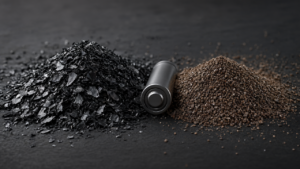
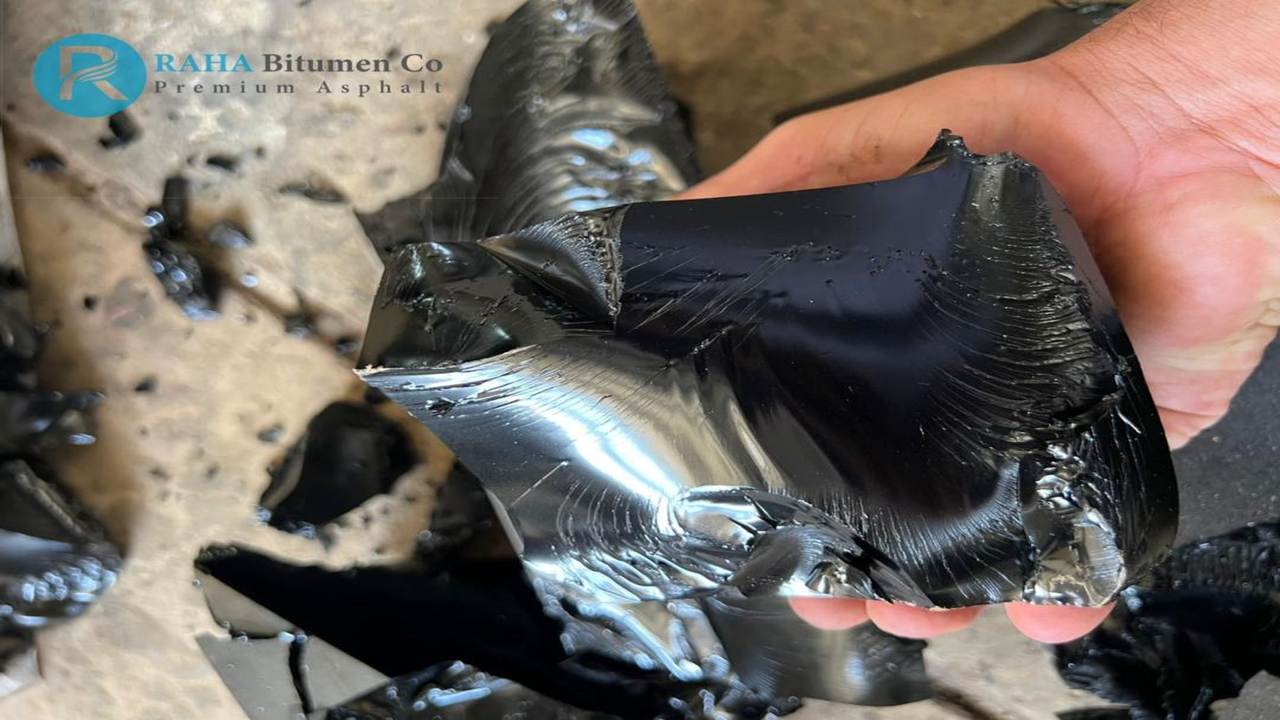
Hard carbon, characterized by its disordered structure, stores lithium and sodium ions through different mechanisms than graphite. Asphalt (bitumen) is produced in large quantities as a byproduct of petroleum refining and coal liquefaction, making it an extremely inexpensive and abundant carbon source. Hard carbon derived from asphalt offers several advantages:
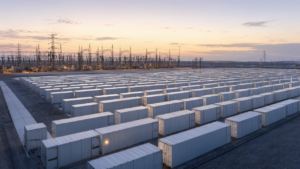
- Low-Cost Manufacturing: As asphalt is an industrial byproduct with low refining costs, hard carbon anodes can be produced at significantly lower costs compared to battery-grade graphite. This is critically important for enhancing the cost competitiveness of entry-level electric vehicles (EVs) and large-scale stationary energy storage systems (ESS).
- Suitability for Sodium-Ion Batteries: Sodium ions have a larger ionic radius than lithium ions, making intercalation into layered structures like graphite difficult. In contrast, hard carbon, with its disordered layered structure and abundant nanopores, can efficiently store sodium ions. Research has shown that hard carbon as an NIB anode achieved a high capacity of 343 mAh/g and an 81% initial coulombic efficiency, which are highly promising values for the practical application of NIBs.
- Application in Lithium-Ion Batteries: Hard carbon can also be used as an anode material for LIBs, potentially contributing to improved power output and low-temperature characteristics. Its low volume change and excellent fast-charging properties are also attractive.
- Reduced Environmental Impact: Upcycling industrial byproducts into battery materials contributes to waste reduction and supports the construction of sustainable supply chains.
However, further improvements in initial coulombic efficiency and cycle life remain challenges.
Background & Industry Context
Amid surging demand for lithium-ion batteries, issues such as the uneven distribution of lithium resources, rising prices, and geopolitical risks associated with supply chains have become prominent. Particularly, battery-grade graphite, essential for EV battery anodes, is almost entirely supplied by China, prompting countries like the U.S. to expedite the establishment of domestic supply chains. In this context, sodium-ion batteries as an alternative to LIBs, and hard carbon as their anode material, are gaining global attention from the perspectives of energy security and cost competitiveness. China’s CATL has announced plans to mass-produce and ship GWh-level sodium-ion batteries in 2026, intending to enter the EV market.
Strategic Significance & Outlook
Bitumen-derived hard carbon anodes are poised to become a major driving force in accelerating the adoption of low-cost, high-performance sodium-ion batteries. In the future, optimizing material synthesis conditions and surface modification techniques are expected to further improve initial coulombic efficiency and cycle life, leading to broader adoption across various applications. This technology has the potential to complement lithium-ion batteries in stationary energy storage systems, entry-level EVs, and grid stabilization, significantly contributing to the realization of a decarbonized society.
Source: https://rahabitumen.com/oxidized-bitumen-battery-industry/