Background
Modern pharmaceutical development consistently strives to create more effective, safer, and patient-friendly therapies. However, many novel therapeutic agents, especially nucleic acid-based drugs, have historically faced significant challenges, including in vivo instability, poor cell membrane permeability, and a lack of target specificity. Lipid Nanoparticles (LNPs) emerged as a groundbreaking delivery system to overcome these hurdles, profoundly expanding the potential of mRNA therapeutics in particular. The unprecedented success of COVID-19 vaccines not only validated LNP technology’s capability for large-scale production but also demonstrated its rapid deployability in emergencies, firmly solidifying its pivotal role in subsequent pharmaceutical development.
Key Findings
The review, published in the International Journal of Scientific Research and Technology, unequivocally highlights the immense promise of Lipid Nanoparticles (LNPs) as a revolutionary drug delivery system (DDS). LNPs possess the unique ability to address numerous challenges inherent in conventional DDS, including improving drug solubility, enhancing bioavailability, enabling precise targeted delivery, and facilitating controlled release.
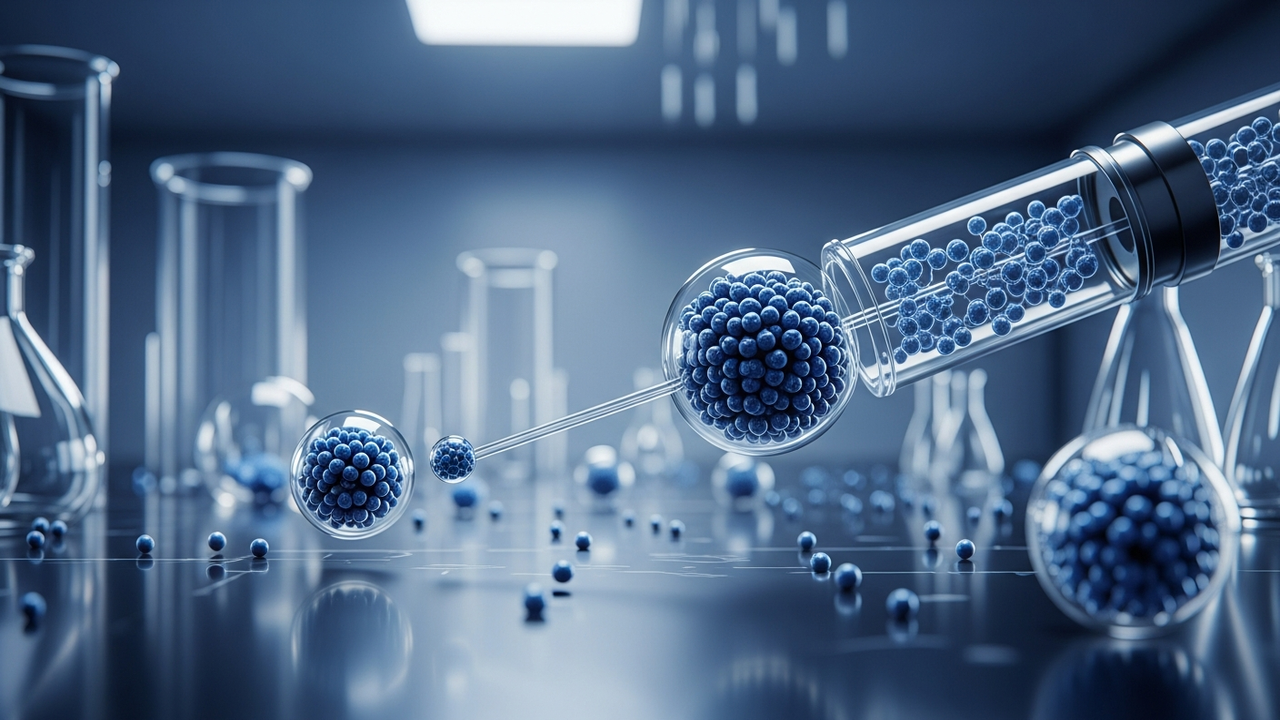
Comprising nanoscale particles (approximately 20-200 nm), typically formulated from cationic lipids, helper lipids, cholesterol, and PEGylated lipids, LNPs efficiently encapsulate nucleic acids (such as mRNA, siRNA, and DNA) and small molecule drugs, protecting them from degradation within the biological environment. The article meticulously traces the rapid advancements in LNP technology since 2010, particularly emphasizing its central and indispensable role in the development of mRNA vaccines during the COVID-19 pandemic. This global success unequivocally demonstrated the following core advantages of LNPs:
- Drug Protection: Safeguards encapsulated cargo, such as mRNA from degradation by in vivo nucleases, and protects small molecule drugs from metabolic breakdown.
- Targeted Delivery: Enables specific targeting to particular cells or tissues, thereby significantly reducing off-target effects and systemic toxicity.
- Enhanced Cellular Uptake: The optimized lipid composition of LNPs promotes efficient interaction with cell membranes, facilitating robust cellular internalization.
- Controlled Release: Ensures therapeutic agent release at appropriate rates and concentrations, maximizing therapeutic efficacy while minimizing potential side effects.
These multifunctional capabilities have propelled the rapid expansion of LNP applications across diverse therapeutic areas, including personalized medicine, gene therapy, advanced cancer treatment, and cutting-edge immunotherapy.
Future Outlook
LNPs are unequivocally projected to continue evolving as a leading platform in pharmaceutical delivery technology. The review suggests that future research and development efforts will intensify, focusing on enhancing LNP biocompatibility, improving long-term stability, and increasing versatility to accommodate an even broader spectrum of diseases and delivery routes. Specific areas of anticipated innovation include the optimization of LNP formulation design through advanced AI and machine learning techniques, as well as the development of multifunctional LNPs (e.g., theranostics combining diagnostic and therapeutic capabilities). These ongoing advancements are expected to solidify LNP-based therapeutics as central to realizing personalized medicine, ultimately offering safer and more effective treatment options to a wider global patient population.