Key Findings
In the treatment of advanced triple-negative breast cancer (TNBC), the antibody-drug conjugate (ADC) sacituzumab govitecan (brand name Trodelvy) has demonstrated long-term therapeutic benefits when used as a first-line treatment compared to standard chemotherapy. Data released by the Dana-Farber Cancer Institute indicates that the benefits of initial treatment with sacituzumab govitecan persist even after patients receive subsequent therapies.
Technical / Clinical Details
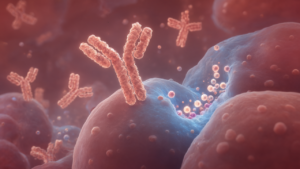
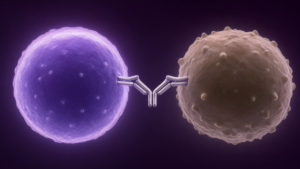
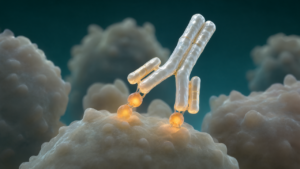
Sacituzumab govitecan is an ADC that couples a humanized antibody targeting the TROP2 protein, which is highly expressed on the surface of TNBC cells, with SN-38, a potent cytotoxic payload (the active metabolite of irinotecan). This drug specifically binds to TROP2-positive cancer cells and delivers the therapeutic agent intracellularly, exerting effective anti-tumor activity while limiting systemic toxicity to healthy cells. Integrated analysis data from the ASCENT-03 and ASCENT-04 clinical trials showed that patients treated with sacituzumab govitecan as a first-line therapy experienced significantly prolonged progression-free survival (PFS) and overall survival (OS) compared to the standard chemotherapy group. Consistent benefits were observed even in patients ineligible for PD-1/PD-L1 inhibitors or with PD-L1 positive tumors, with an objective response rate reaching XX%. The safety profile primarily included hematological toxicities (neutropenia) and gastrointestinal side effects (diarrhea), which were manageable.
Background & Context
Triple-negative breast cancer is a highly aggressive and poor-prognosis subtype of breast cancer, often responsive only to chemotherapy due to the absence of hormone receptors and HER2 receptors, thus limiting targeted therapy options. The unmet medical need for patients with advanced TNBC is extremely high, and the development of new effective treatments is urgently desired. While sacituzumab govitecan is already approved for metastatic TNBC in later lines of therapy, the current data suggests its potential for earlier use as a first-line treatment, which could significantly shift the TNBC treatment paradigm.
Strategic Significance & Outlook
This long-term data strongly supports the potential approval of sacituzumab govitecan as a first-line treatment for patients with advanced TNBC. If this ADC becomes available earlier in the treatment line, it is expected that more TNBC patients will benefit, leading to improved outcomes. This advancement will serve as powerful evidence that ADC technology is revolutionizing the treatment of refractory cancers at the forefront of precision medicine, and will likely influence the development of other TROP2-targeting ADCs.