Key Findings
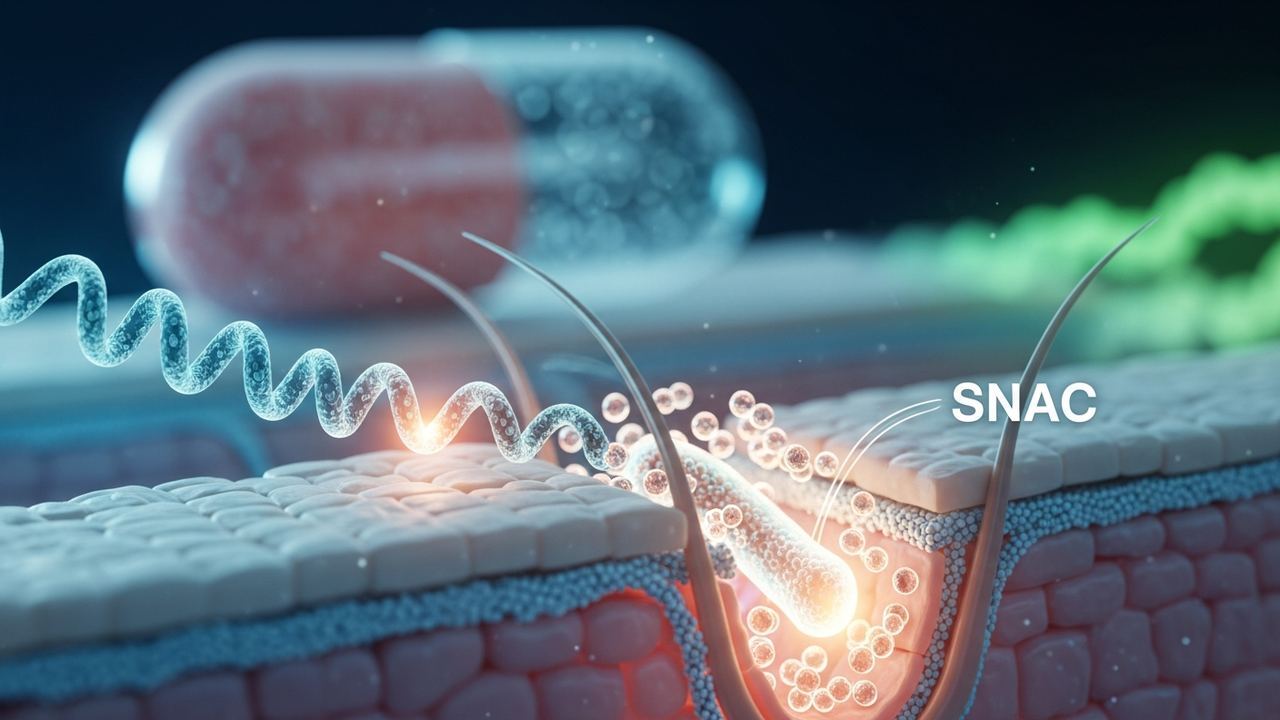
Oral peptide therapeutics are drawing significant attention in the field of dermatology, opening new possibilities for the treatment of inflammatory skin conditions such as psoriasis. This advancement is driven by breakthroughs in novel permeation enhancement technologies, specifically oral delivery systems utilizing SNAC (Salcaprozate sodium), which overcome the challenges of enzymatic degradation and poor absorption of peptides.
Technical / Clinical Details
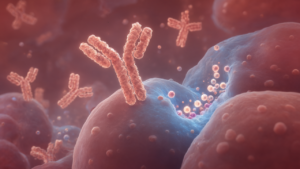
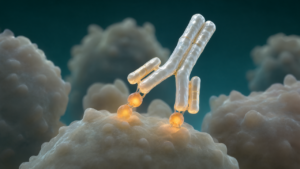
Peptides are attractive drug candidates due to their high target specificity and low off-target toxicity, but enzymatic degradation in the gastrointestinal tract and low oral bioavailability have hindered their oral administration. SNAC technology acts as a carrier molecule that promotes local absorption of peptides under the protective environment of the stomach, shielding them from degradation. This allows peptide drugs targeting cytokines like interleukins and TNF-α, which are involved in psoriasis pathology, to be administered orally instead of via injection. Oral administration is expected to significantly improve patient convenience, avoid injection site reactions, and enhance long-term treatment adherence. Preclinical studies have shown that oral peptides combined with SNAC achieve systemic exposure comparable to parenteral routes, with significant improvements in psoriasis symptoms reported in animal models.
Background & Context
Psoriasis is a chronic autoimmune disease affecting millions worldwide, with current biological therapies predominantly administered by injection. Injections can pose physical and psychological burdens on patients, acting as barriers to long-term treatment adherence. The advent of oral formulations has the potential to improve patients’ quality of life and encourage earlier use of biological therapies. The development of oral peptide drugs in dermatology exemplifies how advancements in Drug Delivery System (DDS) technology can transform treatment paradigms for intractable diseases.
Strategic Significance & Outlook
The application of oral peptide therapeutics in dermatology holds the potential for groundbreaking treatment options for psoriasis patients. If ongoing clinical trials confirm their efficacy and safety, this will be a crucial step in expanding treatment choices and improving patient adherence. This success is also expected to catalyze the development of oral peptide therapeutics in other disease areas, facilitated by permeation enhancers like SNAC. Consequently, fierce competition in oral biopharmaceutical development is anticipated across the pharmaceutical industry, further promoting patient-centric treatment approaches.