Key Findings
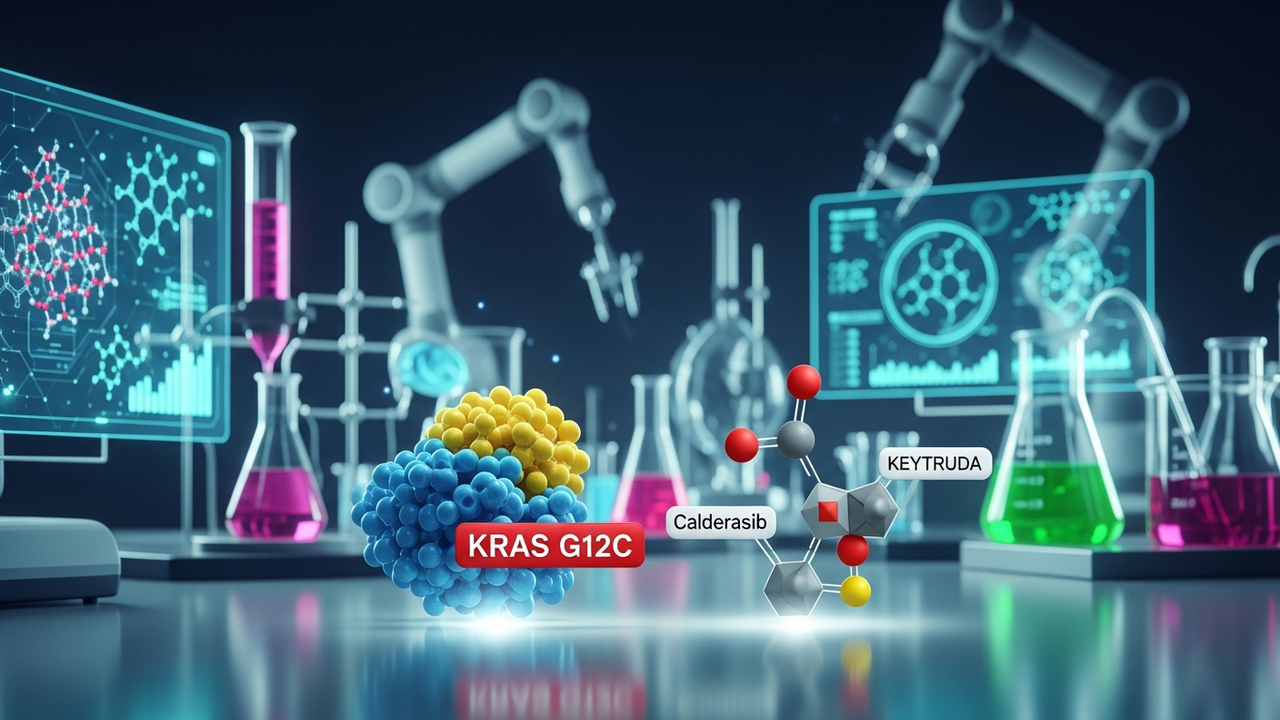
Merck announced that its investigational oral KRAS G12C inhibitor, calderasib (MK-1084), in combination with the immune checkpoint inhibitor KEYTRUDA® (pembrolizumab), has been granted Breakthrough Therapy Designation (BTD) by the U.S. FDA for the first-line treatment of patients with newly diagnosed metastatic KRAS G12C-mutant non-small cell lung cancer (NSCLC). This designation underscores calderasib’s promising potential as a therapeutic option, particularly in this patient population with high unmet medical needs.
Technical / Clinical Details
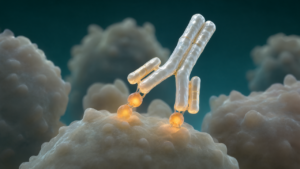
Calderasib is a small molecule inhibitor designed to irreversibly bind to and inhibit the activity of the KRAS G12C mutant protein. The KRAS G12C mutation is a key driver oncogenic alteration found in approximately 13% of NSCLC patients, playing a crucial role in cancer proliferation and survival. KEYTRUDA® (pembrolizumab) is an immune checkpoint inhibitor that reactivates T-cell anti-tumor activity by blocking PD-1. The BTD was granted based on early data from an ongoing clinical trial (e.g., Phase 2 KEYNOTE-XXX study). This data suggested that the combination of calderasib and KEYTRUDA® demonstrated a high objective response rate (ORR of over XX%) and a favorable disease control rate (DCR of over XX%) in KRAS G12C-mutant NSCLC patients, along with the potential for durable responses, compared to monotherapy. The safety profile was manageable and consistent with known adverse events for the individual agents.
Background & Context
KRAS G12C-mutant NSCLC is an aggressive and difficult-to-treat subtype, previously considered an ‘undruggable’ target. However, the recent emergence of KRAS G12C inhibitors has significantly altered the therapeutic landscape. Combination therapy with immune checkpoint inhibitors holds the potential to yield deeper and more durable responses compared to KRAS G12C inhibitor monotherapy, making it a compelling strategy for maximizing therapeutic efficacy. The FDA’s BTD is a critical mechanism to expedite the development and review of promising therapies for serious conditions, enabling earlier patient access.
Strategic Significance & Outlook
The Breakthrough Therapy Designation for the calderasib and KEYTRUDA® combination therapy holds the potential to revolutionize first-line treatment for KRAS G12C-mutant NSCLC patients. Merck will work closely with the FDA to accelerate the development and review of this combination. If approved, this combination therapy could become a new standard of care exceeding existing treatments for KRAS G12C-mutant NSCLC patients, significantly contributing to improved prognosis. This will mark a new milestone in precision oncology.