Key Findings
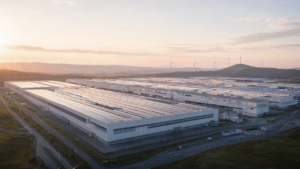
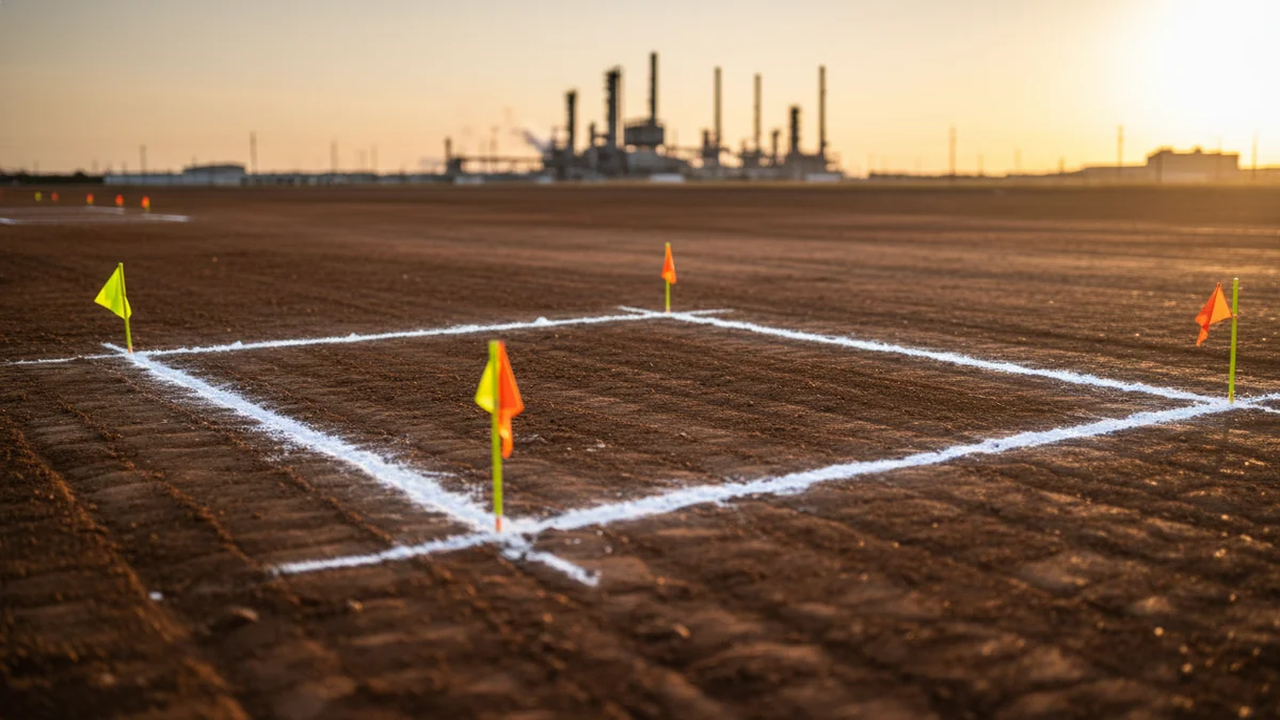
J-Star Holding has announced several pivotal milestones in the development of its proposed $122.5 million solid-state battery manufacturing facility in Baytown, Texas. These achievements include receiving authorization from the Taiwan Central Bank for a $60 million outbound investment and securing an 18-month site commitment with infrastructure support from the Baytown Economic Development Foundation.
Technical / Clinical Details
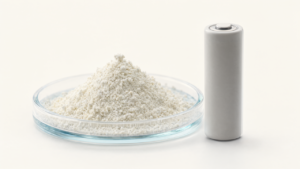
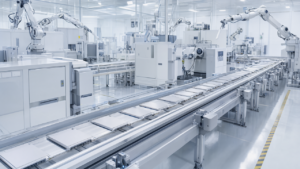
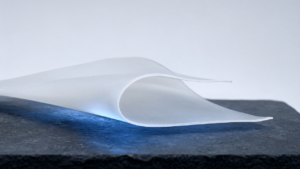
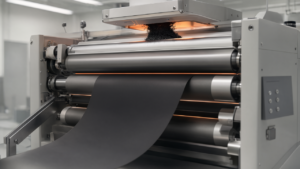
The planned manufacturing facility will leverage J-Star Holding’s patented solvent-free solid-state battery technology. The solvent-free process is significant as it eliminates the use of hazardous organic solvents commonly found in traditional battery manufacturing, thereby reducing environmental impact, potentially lowering production costs, and enhancing safety. The proposed plant design includes a 12,000-square-foot ISO-7 Ultra-Dry Room, crucial for maintaining the low-humidity environment essential for producing high-quality solid-state batteries. The initial target production capacity is 100 MWh, representing a critical step for advanced technical validation and market entry, albeit at a modest scale.
Background & Context
Solid-state batteries are heralded as the next generation of batteries for electric vehicles (EVs) and energy storage systems, offering advantages in energy density, safety, and longevity. The U.S. government is actively promoting policies to strengthen its domestic clean energy supply chain and enhance battery manufacturing capabilities. J-Star Holding’s project aligns perfectly with this initiative to bolster U.S. manufacturing. The approval of a significant outbound investment from Taiwan underscores international collaboration and reflects a strategic move by Asian companies to establish manufacturing footprints within the United States.
Strategic Significance & Outlook
The construction of the Baytown facility marks a crucial step towards the commercialization of J-Star Holding’s solvent-free solid-state battery technology. The initial 100 MWh production capacity will enable supply to specific high-performance applications and early markets, serving as a springboard for future larger-scale production. This project will contribute to the development of a solid-state battery manufacturing ecosystem in the U.S. and is expected to expand into high-value markets such as EVs, aerospace, and defense. The support from the Taiwanese government further validates the potential competitiveness of this technology.