Key Findings
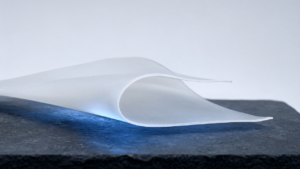
Research has been reported on the microstructural optimization of NASICON-type Li1+xAlxGe2-x(PO4)3 (LAGP) solid electrolytes, aimed at enhancing safety and performance in all-solid-state batteries (SSBs). The study emphasizes that achieving high ionic conductivity, a wide electrochemical window, and low interfacial resistance with LAGP is essential for high-performance SSBs. Furthermore, halide-based solid electrolytes are discussed as exceptionally promising candidates, showcasing excellent room-temperature ionic conductivity (>10−3 S cm−1) and high compatibility with oxide cathodes.
Technical / Clinical Details
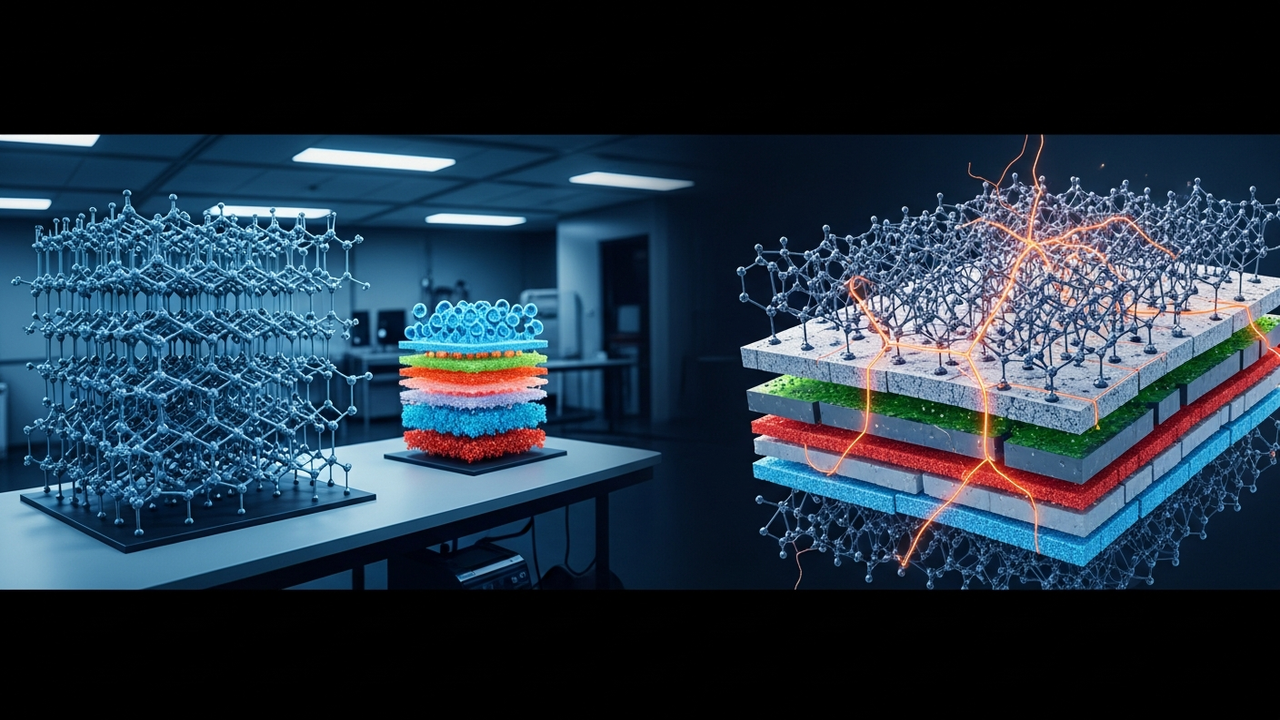
Microstructural optimization of NASICON-type LAGP solid electrolytes involves various approaches, including precise control of sintering conditions, reduction of grain boundary resistance, and promotion of densification. These efforts lead to optimized Li+ ion conduction pathways and an overall improvement in ionic conductivity. Halide-based solid electrolytes, on the other hand, exhibit high room-temperature ionic conductivity comparable to sulfide-based solid electrolytes (>10−3 S cm−1), while offering the significant advantage of high air stability and excellent compatibility with high-performance oxide cathode materials. This circumvents the challenge of air instability in traditional sulfide electrolytes, potentially simplifying manufacturing processes.
Background & Context
Amidst the surging demand for batteries in electric vehicles (EVs) and stationary energy storage systems, all-solid-state batteries are being extensively researched and developed worldwide as the most promising next-generation battery technology that can deliver both safety and high energy density. Both NASICON-type and halide-based solid electrolytes, despite having different characteristics, are core materials responsible for efficient Li+ ion transport, and their performance improvement directly impacts the commercialization of SSBs. Crucially, compatibility with oxide cathodes is a significant factor for transitioning established high-performance cathode materials from conventional lithium-ion batteries to SSBs.
Strategic Significance & Outlook
The microstructural optimization of NASICON-type LAGP and the development of halide-based solid electrolytes represent critical directions for further enhancing the performance and safety of SSBs. Future efforts will likely focus on reducing the manufacturing costs of these solid electrolytes, establishing large-scale production technologies, and validating long-term cycle stability. Halide-based solid electrolytes, in particular, hold the potential to become a breakthrough that accelerates the commercialization of next-generation all-solid-state batteries due to their high ionic conductivity and superior air stability.