
Background
Parkinson’s disease, a debilitating and progressive neurodegenerative disorder, presents a complex challenge due to its highly variable symptoms across individuals. Historically, clinical assessments have been limited by their subjectivity and episodic nature, offering only snapshots of a patient’s condition. This makes precise tracking of disease progression and evaluating treatment efficacy particularly difficult. The advent of digital biomarkers, leveraging ubiquitous smartphones and wearable devices, promises to revolutionize this landscape by providing objective, continuous data streams directly from the patient’s home. This capability is critical for personalized medicine, overcoming the limitations of traditional methods and aligning with the growing imperative for remote patient monitoring and telemedicine.
Key Findings
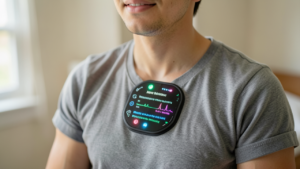
Herantis Pharma has announced the finalization of its Phase 2a trial design for HER-096, an investigational treatment for Parkinson’s disease, following positive engagement with the U.S. Food and Drug Administration (FDA). A pivotal aspect of this trial is the integration of Indivi’s innovative smartphone-based digital biomarker platform, SynapTrack. This platform will be deployed to objectively and continuously monitor disease progression and assess treatment response across a comprehensive array of functional domains, including motor function, balance, cognitive abilities, visual tracking, and speech characteristics. This advanced monitoring capability is anticipated to capture subtle, high-resolution changes in patient status that conventional, in-clinic assessments might overlook, thereby accelerating the development of truly personalized therapeutic strategies for Parkinson’s.
Technical / Clinical Details
The upcoming Phase 2a trial for HER-096 is designed as a multi-dose cohort study, enrolling approximately 60 patients diagnosed with moderate to advanced Parkinson’s disease. Its primary objectives include evaluating the safety, tolerability, pharmacokinetics, and initial pharmacodynamic efficacy of HER-096. Central to this evaluation is the SynapTrack platform, which will capture a rich dataset of digital biomarkers, categorized as follows:
- Motor Function: Leveraging integrated smartphone accelerometers and gyroscopes, SynapTrack will objectively quantify key motor indicators such as gait speed, postural balance, tremor severity, and manual dexterity. Standardized tasks like finger-tapping and walking tests will provide quantitative metrics for assessing the severity of motor symptoms in real-world settings.
- Balance: The platform will assess body sway and stability during designated tasks, providing quantitative insights into fall risk and overall postural control.
- Cognitive Function: Through intuitive smartphone-based tasks, SynapTrack will evaluate cognitive biomarkers, including attention span, short-term memory, and information processing speed, critical for assessing the non-motor symptoms of PD.
- Visual Function: Digital data on eye movements and visual reaction times will be collected to monitor subtle changes related to the non-motor visual symptoms frequently observed in Parkinson’s disease.
- Speech Analysis: Sophisticated algorithms will analyze vocal characteristics such as pitch, volume, speaking rate, and tone, identifying speech biomarkers indicative of dysarthria and other speech-related difficulties.
Crucially, these digital biomarkers can be collected by patients autonomously in their natural home environments, enabling daily and continuous data capture. This approach offers significantly higher resolution and ecological validity compared to periodic in-clinic visits, yielding a more precise and dynamic profile of disease progression and therapeutic response. The SynapTrack data will be integrated and analyzed alongside established clinical metrics, including the Unified Parkinson’s Disease Rating Scale (UPDRS) scores, advanced neuroimaging (PET/SPECT scans), and biochemical biomarkers derived from blood and cerebrospinal fluid, to ensure a comprehensive, multi-faceted evaluation of HER-096’s therapeutic potential.
Strategic Significance & Outlook
The successful outcome of the HER-096 Phase 2a trial would serve as a powerful validation for the indispensable role of digital biomarkers in both the diagnosis and ongoing management of Parkinson’s disease. Indivi’s SynapTrack platform, with its robust and versatile design, holds considerable promise for broader application across a spectrum of other neurodegenerative and psychiatric disorders. Key challenges moving forward include rigorous clinical validation of these digital endpoints, navigating and securing global regulatory approvals, and fostering wider adoption of such technologies in the development pipelines for novel therapeutics. Ultimately, this approach is poised to significantly enhance the quality of life for Parkinson’s patients by facilitating the development of more effective, data-driven, and truly personalized treatment paradigms.








Comments