Key Findings
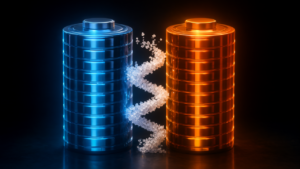
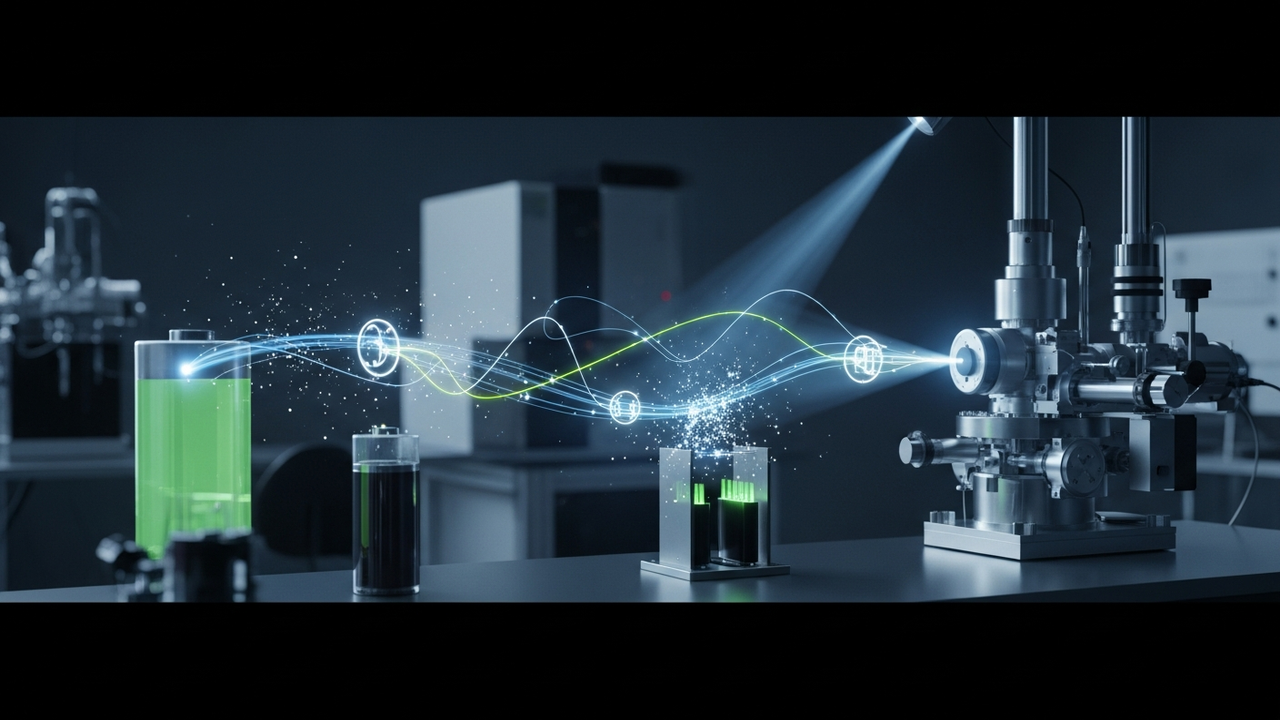
Academic research has successfully identified the intermediate species generated during electrolyte reduction in lithium metal batteries (LMBs) using an advanced analytical technique known as spin trapping. This breakthrough discovery deepens our understanding of the formation mechanisms of the solid electrolyte interphase (SEI) organic phase, a critical determinant of LMB performance. Crucially, it provides concrete evidence for long-standing debates surrounding the reduction pathways of widely used electrolyte additives such as FEC (fluoroethylene carbonate), thereby paving the way for the rational design of next-generation high-performance electrolytes.
Technical Details
Lithium metal batteries hold the promise of theoretical energy densities far surpassing current lithium-ion batteries, making them highly anticipated as ultimate power sources for applications like electric vehicles (EVs) and long-endurance drones. However, the high reactivity of lithium metal and the uncontrolled growth of dendrites remain significant safety and cycle life challenges. Forming a stable SEI layer, composed of electrolyte decomposition products, is essential to mitigate these issues.
- Application of Spin Trapping: This study employed spin trapping in conjunction with Electron Paramagnetic Resonance (EPR) spectroscopy. This method captures typically unstable and short-lived radical intermediates, converting them into stable spin adducts, which allows for their structural identification. This enables the elucidation of electrolyte reduction reaction mechanisms at a molecular level.
- Elucidating FEC Reduction Mechanisms: FEC is a widely used additive for SEI stabilization in LMBs, but its precise reduction mechanism has been a subject of ongoing debate. The intermediates identified in this research provide detailed insights into how FEC decomposes on the lithium metal surface to form a stable SEI. This information is directly beneficial for developing more effective FEC alternatives or novel additives.
- Importance of the SEI Organic Phase: The SEI layer is a protective film that blocks electron conduction between lithium metal and the electrolyte while allowing ion conduction. Its composition and structure, particularly the nature of its organic phase, significantly influence lithium dendrite suppression and cycle life. This research provides key information for improving the design of this critical organic phase.
Background & Industry Context
Lithium metal batteries are believed to have the potential to double EV range and enable 3-minute charging, with a Chinese lab reportedly developing a battery close to this goal, intensifying competition. However, their practical commercialization hinges on overcoming fundamental safety and cycle life challenges. Optimizing the electrolyte and SEI layer is at the forefront of solving these issues. Electrolyte additives are a cost-effective method to fine-tune SEI properties, and understanding their mechanisms of action is indispensable for accelerating the pace of battery technology innovation.
Strategic Significance & Outlook
The insights gained regarding electrolyte reduction intermediates will significantly influence the electrolyte and interface design of next-generation LMBs. Future research is expected to delve deeper into the dynamics of the identified intermediates and the differences in intermediate generation across various electrolyte compositions. This will enable the “rational” design of novel solvents and additives to form more efficient and stable SEI layers, accelerating the commercialization of lithium metal batteries and contributing to the realization of high-performance EVs and long-life portable devices.