Introduction
BioCardia, a clinical-stage regenerative medicine firm, has announced a significant leap forward for its CardiAMP autologous bone marrow cell therapy. The U.S. Food and Drug Administration (FDA) has confirmed that the ongoing Phase 3 CardiAMP Heart Failure II trial, an autologous bone marrow cell therapy for cardiovascular disease, could potentially serve as the basis for a Premarket Approval (PMA) application. This endorsement signals a crucial milestone in CardiAMP’s journey towards commercialization.
Regulatory Milestones Achieved
Adding to this positive momentum, Japan’s Pharmaceuticals and Medical Devices Agency (PMDA) has also indicated that existing clinical evidence is sufficient to support a regulatory approval application for CardiAMP, with a submission planned for Q4 2026. This dual positive feedback from two major global regulatory bodies underscores a clearer and accelerated path toward the international availability of CardiAMP, promising a new treatment paradigm for cardiovascular disease. The FDA’s confirmation regarding PMA application support implicitly acknowledges promising safety and efficacy results from previous clinical data, a sentiment echoed by the PMDA’s stance on early approval in Japan.
Understanding CardiAMP: Mechanism and Trial Design
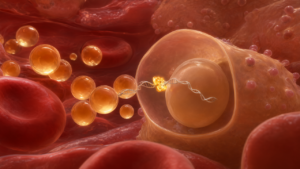
The CardiAMP cell therapy leverages an autologous approach, meaning it utilizes a patient’s own biological material to minimize the risk of immune rejection. The process involves harvesting and concentrating mononuclear cells (MNCs) from the patient’s bone marrow. These concentrated cells are then meticulously injected directly into heart tissue damaged by conditions such as myocardial infarction or chronic heart failure. The fundamental aim is to activate and augment the heart’s intrinsic repair mechanisms, thereby improving cardiac function in affected patients.
The therapy’s efficacy is being rigorously assessed in the CardiAMP Heart Failure II trial, a large-scale Phase 3 study enrolling patients with moderate to severe heart failure. Primary endpoints for this pivotal trial are centered on crucial indicators such as improvements in exercise capacity and a reduction in adverse cardiac events, reflecting a comprehensive evaluation of patient outcomes and quality of life. This personalized medicine strategy harnesses patient-specific biological factors, offering a tailored and potentially safer treatment option.
Addressing an Unmet Need in Heart Failure
Heart failure remains a profound and escalating global public health crisis, with patient populations steadily increasing worldwide. Despite advancements in pharmacological and device-based therapies, these interventions frequently fall short of fully arresting disease progression for a significant number of individuals. A critical unmet need persists for novel treatment modalities, especially for patients suffering from heart failure with reduced ejection fraction (HFrEF).
Regenerative medicine emerges as a highly promising paradigm in this context, offering the potential to repair and regenerate damaged organs and tissues, fundamentally transforming the approach to heart failure treatment. BioCardia’s CardiAMP stands out as one of the few late-stage regenerative medicine products specifically targeting heart failure. The recent positive regulatory signals are particularly significant given that the FDA’s Premarket Approval (PMA) pathway represents one of the most stringent approval processes for medical devices and biologics. Success in navigating this rigorous pathway underscores CardiAMP’s substantial clinical value and bolsters its market viability.
Strategic Outlook and Market Impact
The concurrent positive feedback from both the FDA and PMDA provides substantial impetus for BioCardia to expedite its global development and commercialization strategies. The company is committed to the successful completion of the CardiAMP Heart Failure II trial and plans to swiftly file its PMA application with the FDA.
Notably, the Japanese market, characterized by a more adaptive regulatory framework for regenerative medicine, may potentially see PMDA approval precede that in Western jurisdictions, offering an earlier pathway to patients. Should CardiAMP gain approval, it is poised to introduce a transformative treatment option for heart failure patients, promising not only improved quality of life but also enhanced prognoses. This potential success would provide compelling evidence for the broader clinical utility of autologous cell therapy, firmly establishing it as a crucial pillar within the evolving landscape of cardiovascular regenerative medicine.
Source: https://www.merlintrader.com/biocardia-bcda-june2026-deepdive/