Key Findings
Novartis, a major pharmaceutical company, has announced a strategic collaboration with biotechnology firm Orionis Biosciences. This partnership aims to leverage Orionis’ AI-driven “Allo-Glue™” platform and molecular glue discovery engine to develop innovative therapies for multiple targets previously considered challenging to address. The agreement includes an upfront payment of $40 million, with Orionis Biosciences potentially receiving up to approximately $1.4 billion in total value based on development and commercialization milestones. This significant deal underscores the strong interest within the pharmaceutical industry for molecular glues as a novel drug discovery modality and a clear commitment to investing in areas with high unmet medical needs.
Technical and Clinical Details
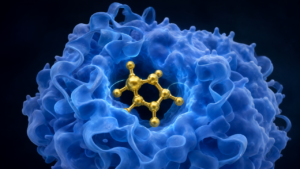
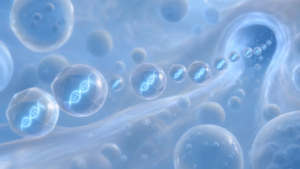
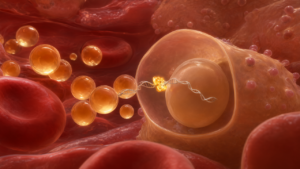
Molecular glues are small-molecule compounds that induce or enhance protein-protein interactions within cells, leading to outcomes such as targeted protein degradation or functional activation. This mechanism holds the potential to act on so-called “undruggable” proteins that have been intractable to conventional drug discovery approaches. Orionis Biosciences’ Allo-Glue™ platform employs artificial intelligence (AI) and computational science to efficiently identify and design molecular glue candidates. This technology allows for the rapid discovery of molecules capable of binding specific proteins or inducing complex formation from vast compound libraries. Novartis, with its extensive experience and pipeline in therapeutic development across various disease areas, including oncology, neurodegenerative, and autoimmune disorders, seeks to integrate Orionis’ innovative platform technology into its drug discovery efforts to achieve breakthroughs in these fields. This approach is conceptually related to other modalities with similar mechanisms, such as proteolysis-targeting chimeras (PROTACs), suggesting a direction for next-generation targeted therapeutics.
Background and Industry Context
Traditional drug discovery has largely focused on inhibitors that bind to the active sites of proteins. However, the human genome contains many “undruggable” proteins that cannot be controlled through such methods. Molecular glues offer a groundbreaking solution to this challenge by inducing conformational changes in proteins and forcing the interaction between typically non-interacting proteins, thereby eliciting new functions. In recent years, several success stories involving molecular glues have been reported, leading to a renewed appreciation for their importance in drug discovery. A major pharmaceutical company like Novartis forging a partnership with an emerging technology company like Orionis Biosciences, backed by substantial upfront and milestone payments, reflects the industry’s strong desire to acquire innovative platform technologies and establish new therapeutic paradigms across diverse disease areas. AI-driven drug discovery platforms are expected to contribute to shortened development timelines and improved success rates.
Strategic Significance and Outlook
The strategic collaboration between Novartis and Orionis Biosciences holds significant potential to accelerate the discovery and development of molecular glues, creating new therapeutic options for diseases previously unresponsive to conventional treatments. This partnership will serve as a key example of how the convergence of AI, biology, and chemistry is shaping the future of drug discovery. Moving forward, both companies will focus on identifying and optimizing molecular glue candidates in line with the collaboration targets, progressing them into preclinical and clinical development. If this platform yields multiple successful therapeutics, molecular glues will solidify their position as one of the leading next-generation drug discovery modalities, offering new hope to many patients suffering from cancer, neurological disorders, and autoimmune conditions.