Key Findings
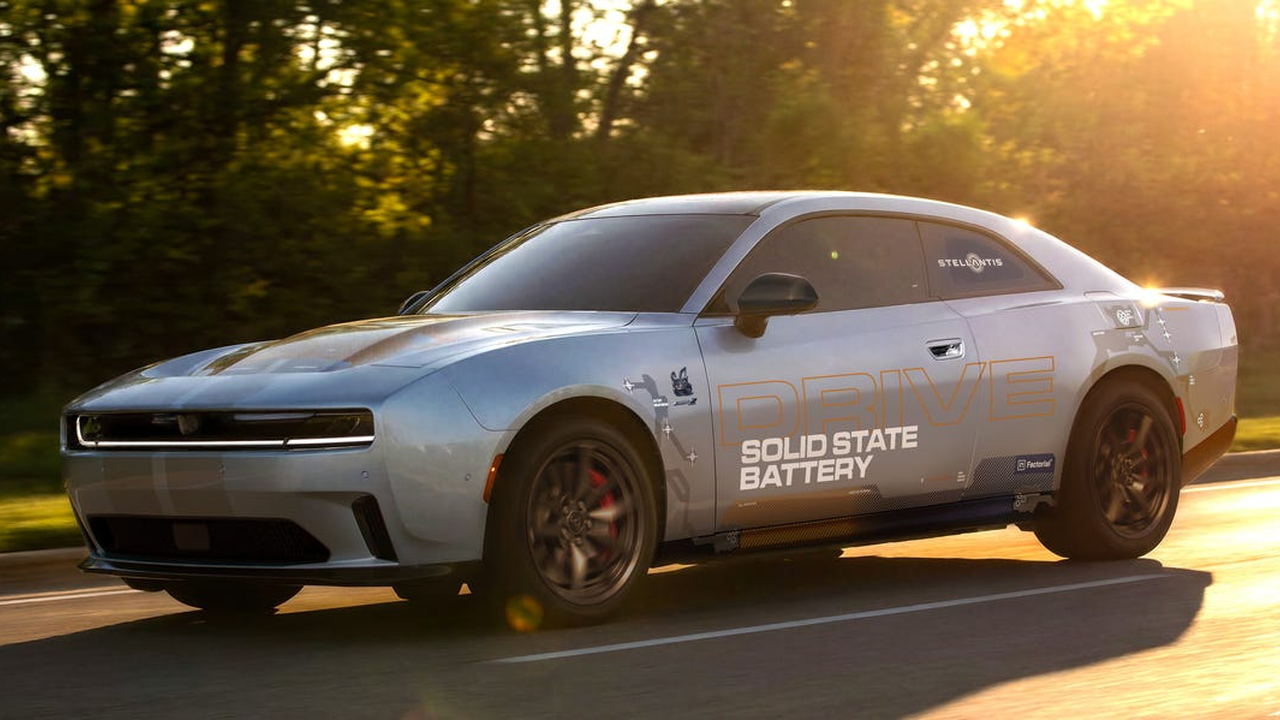
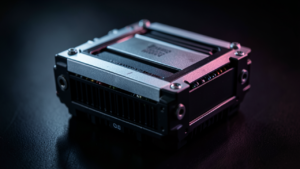
Automotive giant Stellantis has initiated real-world public road testing of innovative solid-state batteries from Factorial Energy, integrated into a prototype Dodge Charger Daytona. This move represents a significant milestone in the journey to incorporate solid-state battery technology into mass-produced electric vehicles (EVs), marking a substantial step forward for the future of battery technology.
Technical / Clinical Details
Factorial Energy’s solid-state battery boasts impressive performance metrics. Its reported energy density of 375 Wh/kg significantly surpasses that of current lithium-ion batteries. Furthermore, its charging performance is highly compelling, with claims of recharging from 15% to 90% capacity in just 18 minutes. This rapid charging capability could dramatically improve the EV user experience and enhance convenience for long-distance travel. Solid-state batteries, by eliminating liquid electrolytes, inherently offer higher safety and can significantly reduce the risk of thermal runaway. The real-world testing in the Dodge Charger Daytona aims to validate how these theoretical and laboratory performances translate under actual driving conditions.
Background & Context
The electric vehicle industry has consistently grappled with challenges related to extending driving range, shortening charging times, and enhancing safety. Solid-state batteries have been widely anticipated as a ‘game-changer’ to address these issues. While numerous automakers and battery companies are investing heavily in solid-state battery development, commercialization still faces hurdles such as manufacturing costs, scalability, and long-term durability. Stellantis’s decision to begin real-world testing of Factorial’s solid-state batteries in one of its flagship EV models clearly indicates that the technology is transitioning from laboratory research to practical automotive application. This is a critical development for the overall advancement of the EV market.
Strategic Significance & Outlook
Stellantis’s real-world testing of Factorial’s solid-state batteries is crucial for assessing the technology’s maturity. Should favorable results emerge, other automakers are likely to follow suit, accelerating the adoption of solid-state batteries. This could lead to a dramatic improvement in EV performance, encouraging more consumers to choose electric vehicles and expanding the EV market share globally. Factorial Energy has also partnered with other major automakers like Mercedes-Benz and Hyundai, suggesting that its technology could be integrated into a wide range of future EV models. This trend is expected to provide significant impetus towards decoupling from fossil fuel dependence and realizing a sustainable mobility society.





Comments