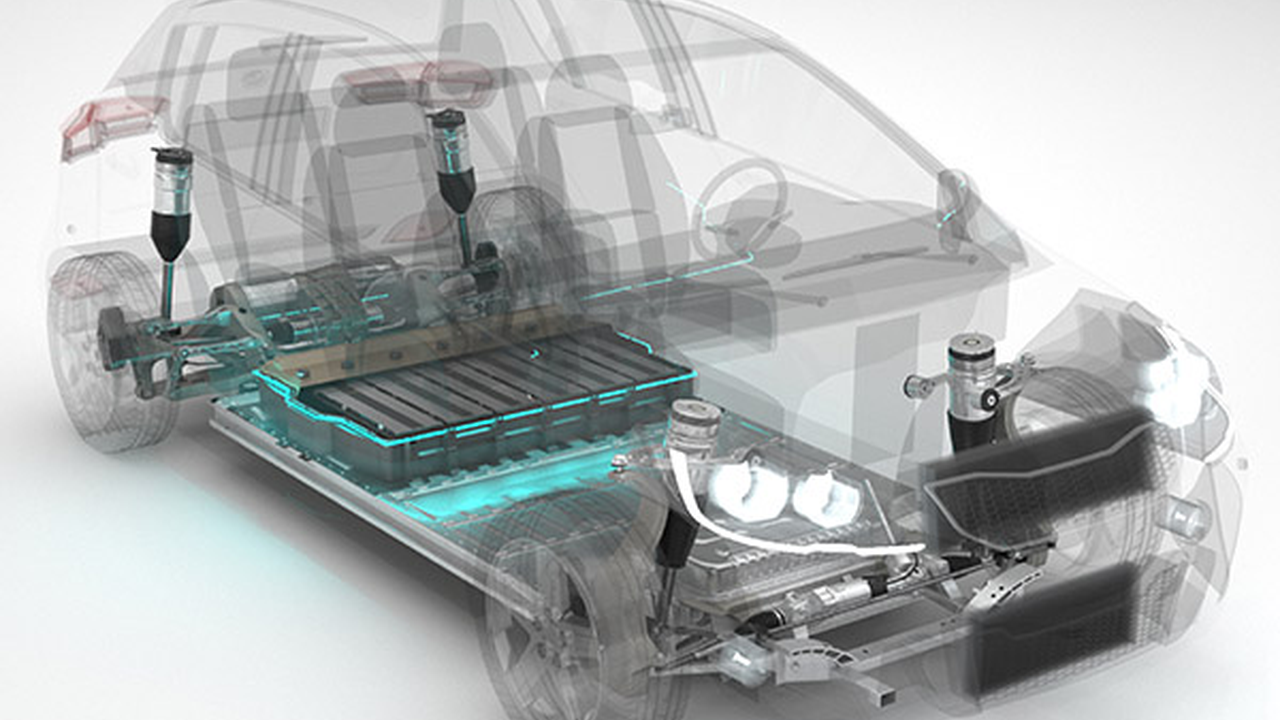
Key Findings
The U.S. Department of Energy (DOE) has underscored the transformative potential of next-generation battery technologies, particularly solid-state batteries. The use of solid electrolytes offers multiple advantages over conventional liquid-electrolyte batteries, including significantly enhanced safety, increased energy storage capacity, and reduced manufacturing costs. This innovation is deemed critical for shaping the future of electric vehicles (EVs) and renewable energy storage systems.
Technical / Clinical Details
Solid-state batteries function by replacing liquid or gel electrolytes with solid materials. This solid electrolyte fundamentally eliminates the risks of leakage and flammability, dramatically improving battery safety. Furthermore, solid electrolytes are highly compatible with more energy-dense electrode materials, such as lithium metal anodes, allowing batteries to store more energy within the same volume or weight. The DOE is focusing on developing new material systems that reduce or completely eliminate the use of critical and constrained materials like nickel and cobalt. For instance, sulfide-based, oxide-based, and polymer-based solid electrolytes are under investigation, each offering different performance and manufacturing characteristics. These material innovations are also expected to improve battery lifespan, charging speeds, and low-temperature performance.
Background & Context
Today’s battery market faces unprecedented demand for high-performance and safe storage solutions, driven by the proliferation of electric vehicles and their integration into renewable energy grids. While current lithium-ion batteries are widely used, safety concerns stemming from liquid electrolytes and physical limits to energy density remain challenges. Moreover, the vulnerability of critical mineral supply chains poses a long-term risk to the battery industry’s growth. Solid-state battery technology offers a comprehensive solution to these challenges, holding the potential to be a game-changer in battery technology. The DOE’s initiatives are part of a national strategy to enhance U.S. energy security and accelerate the transition to a clean energy economy.
Strategic Significance & Outlook
While the development of solid-state battery technology still faces some challenges for commercialization, such as manufacturing costs, scalability, and durability, the DOE’s research drive is accelerating solutions. In the future, solid-state batteries are expected not only to significantly extend EV range and reduce charging times but also to revolutionize grid-scale energy storage solutions for residential and industrial applications. This will further advance the adoption of renewable energy and reduce reliance on fossil fuels. Applications in smaller, safer portable electronic devices, as well as batteries for space and defense uses, are also within sight. Continued investment and innovation in this sector are key to achieving a sustainable future.
Source: https://www.energy.gov/cmei/ammto/breaking-it-down-next-generation-batteries









Comments