Key Findings
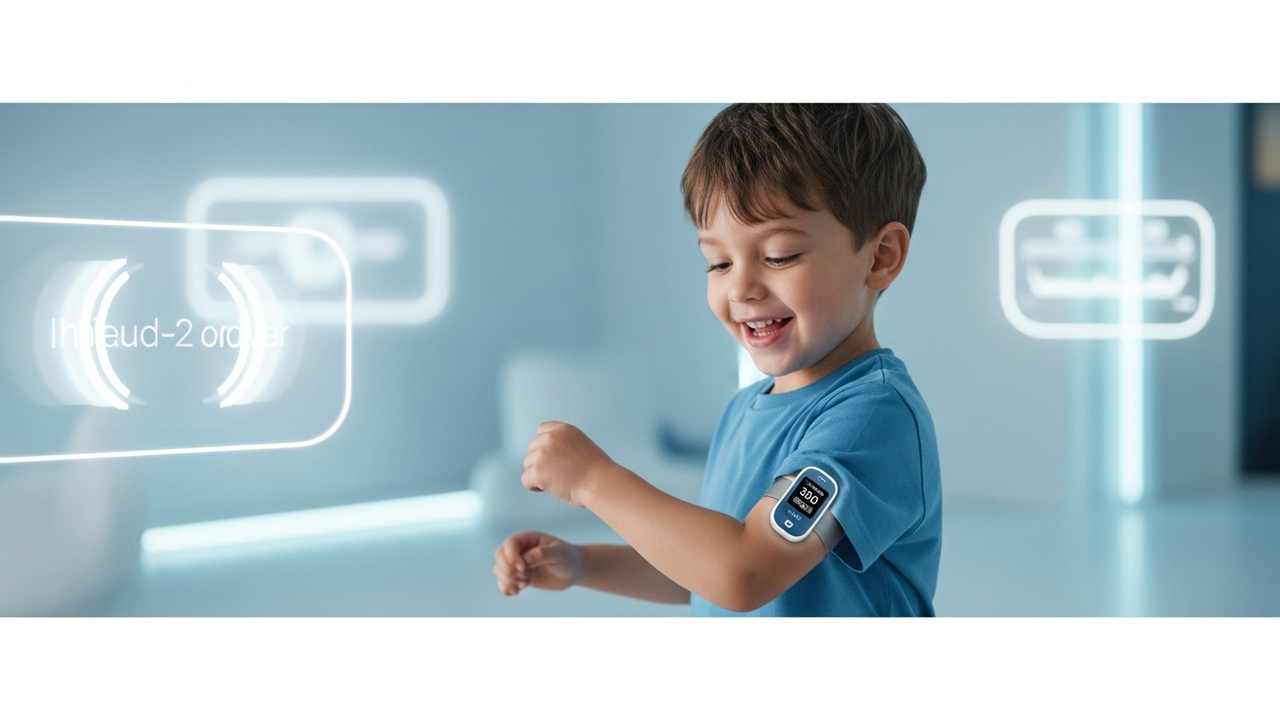
The U.S. Food and Drug Administration (FDA) announced on June 12, 2026, the clearance of Dexcom’s Stelo Glucose Biosensor System as the first over-the-counter (OTC) continuous glucose monitor (CGM) for children aged two years and older who do not use insulin. This regulatory decision significantly expands the accessibility of CGM technology, building upon its prior approval for adults aged 18 and above in March 2024. The Stelo system integrates a wearable sensor with a smartphone application to display glucose readings and trends every 15 minutes, with each sensor designed for up to 15 days of wear.
Technical / Clinical Details
The Stelo system comprises a small, wearable sensor adhered to the back of the upper arm, continuously measuring glucose concentration in the interstitial fluid beneath the skin. The collected data is transmitted via Bluetooth to a paired smartphone app, providing users with a visual representation of their glucose fluctuations. This device is specifically indicated for children managing Type 2 diabetes without insulin, those with prediabetes, and non-diabetic individuals keen on understanding their metabolic responses to diet, exercise, and lifestyle factors. Clinical studies have validated its accuracy and safety profile, with real-world evidence (RWE) supporting this pediatric indication expansion.
Background & Context
The global prevalence of childhood obesity, prediabetes, and Type 2 diabetes is on the rise, underscoring the critical need for early and effective glucose management. Historically, CGMs have required a prescription, but Stelo’s OTC clearance offers parents and caregivers an accessible tool for monitoring pediatric glucose levels at home, facilitating earlier intervention. This is particularly impactful for families with limited access to healthcare providers or those seeking more proactive health management. The FDA’s action reflects a commitment to fostering innovation in pediatric healthcare.
Strategic Significance & Outlook
The OTC clearance of Dexcom Stelo for pediatric use is poised to further stimulate the CGM market, potentially encouraging other manufacturers to develop similar consumer-friendly products. This development extends the application of CGM technology beyond traditional diabetes management into broader metabolic health monitoring. Pharmacists and other healthcare professionals will play a vital role in educating caregivers on appropriate patient selection and the nuances of sensor wear, which may vary in pediatric users due to physiological and behavioral factors. Future challenges include addressing individual variations in sensor wear duration among children and gathering long-term clinical outcome data to further solidify its benefits.
Get our weekly technology intelligence — free
Receive an infographic that lets you judge at a glance whether each field’s analysis report is worth reading.
Subscribe Free — Weekly Tech Intelligence
By subscribing, you’ll receive Troy-Technical’s weekly technology intelligence newsletter.
- Your email and selected fields are used only to deliver the newsletter.
- We never share your information with third parties.
- You can unsubscribe anytime via the link in each email.
See our Privacy Policy for details.
Takes about a minute · Unsubscribe anytime