Background
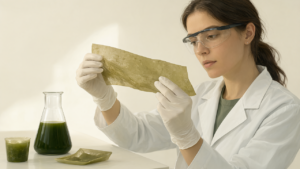
The escalating global plastic pollution crisis underscores an urgent need for sustainable alternatives to fossil-fuel-derived plastics. Among potential solutions, polyhydroxybutyrate (PHB) stands out as a promising biodegradable bioplastic, capable of naturally degrading in various environments like soil and water. Despite its environmental advantages, the widespread commercialization of PHB has been historically hindered by its high production costs. This new research directly addresses this economic barrier by leveraging inexpensive biomass, such as agricultural waste and food byproducts, as a feedstock, paving the way for a more sustainable and cost-effective bioplastic supply chain.
Key Findings
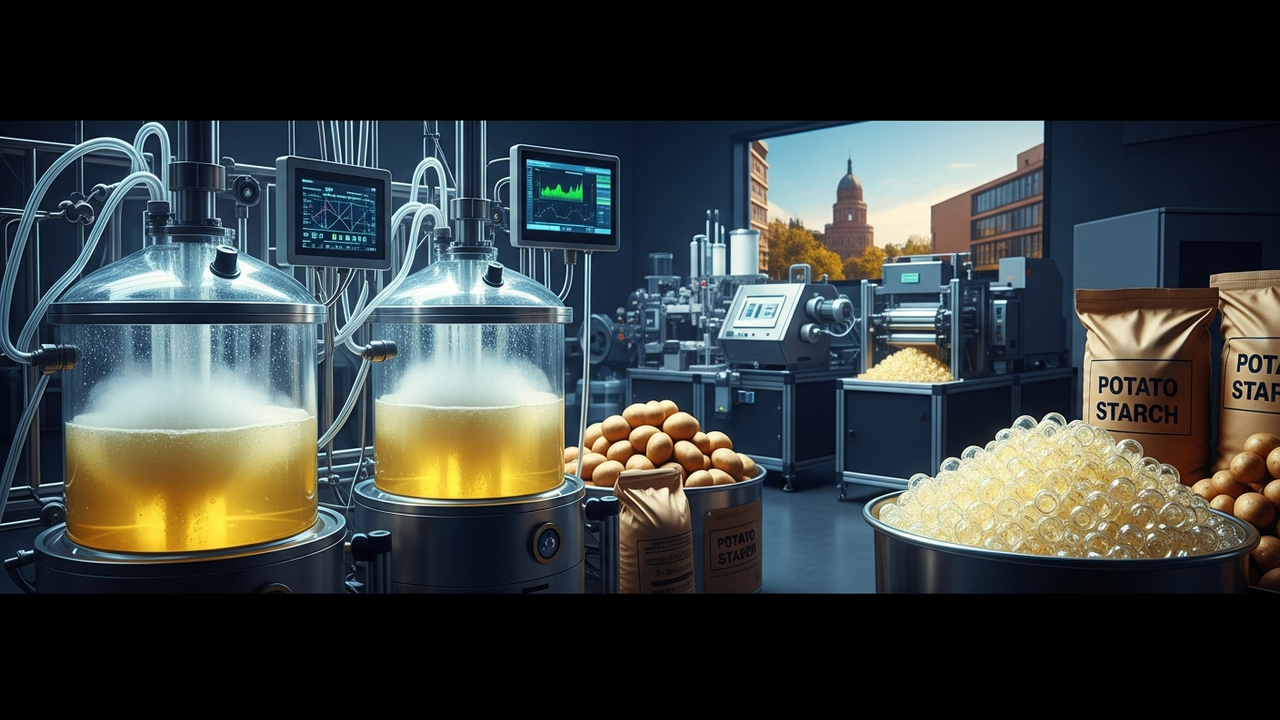
In a significant advance, researchers at the University of Barcelona have demonstrated a novel method for producing polyhydroxybutyrate (PHB), a biodegradable bioplastic, directly from unprocessed potato starch in a remarkably short 24-hour timeframe. This highly efficient, single-step process employs a genetically modified strain of Bacillus subtilis, offering a sustainable and exceptionally cost-effective alternative to traditional petroleum-derived plastics. The engineered Bacillus subtilis proficiently metabolizes raw potato starch as its exclusive carbon source, achieving both high PHB accumulation levels and purity, on par with commercially available standards. This eliminates the need for multi-step conversion processes and expensive feedstocks typical of conventional PHB production, substantially lowering overall manufacturing costs and environmental impact. This innovation marks a critical stride towards making bioplastics economically viable for broad market adoption. The technology is poised to broaden the application of bioplastics across diverse sectors, including packaging, disposable cutlery, and agricultural films, where biodegradability and low environmental footprint are paramount. Future efforts will focus on scaling up the production process and accelerating research and development to achieve full commercialization, reinforcing a circular economy model by valorizing agricultural waste into high-value, eco-friendly materials.
Get our weekly technology intelligence — free
Receive an infographic that lets you judge at a glance whether each field’s analysis report is worth reading.
Subscribe Free — Weekly Tech Intelligence
By subscribing, you’ll receive Troy-Technical’s weekly technology intelligence newsletter.
- Your email and selected fields are used only to deliver the newsletter.
- We never share your information with third parties.
- You can unsubscribe anytime via the link in each email.
See our Privacy Policy for details.
Takes about a minute · Unsubscribe anytime