Key Findings
Quantum computing firm Rigetti Computing (NASDAQ: RGTI) has faced recent analyst downgrades and a subsequent decline in stock price, highlighting the significant financial challenges and the inherently long, capital-intensive road to commercializing quantum computing technology. While Rigetti has outlined an ambitious technological roadmap for 2026, concerns are mounting regarding its ability to achieve these goals without requiring additional funding, potentially leading to further shareholder dilution.
Technical / Clinical Details
- Rigetti’s Technology Roadmap:
- 2026 Target: The company aims to deliver a platform featuring over 150 qubits with a 99.7% gate fidelity. This goal represents a significant push in superconducting qubit technology and a crucial step towards implementing quantum error correction.
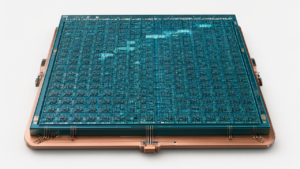
- Current Hardware: Rigetti already offers a 108-qubit MRAM quantum computer, pursuing the potential for “quantum advantage” in solving specific computational problems that are intractable for classical methods.
- Financial Challenges:
- Low Revenue: Given that the quantum computing market is still in its nascent stages, Rigetti’s current revenue streams are highly limited.
- High Burn Rate: The substantial costs associated with R&D and hardware construction mean the company is consuming capital at a high cash burn rate. This is a primary concern for analysts, who project future funding needs and potential dilution for existing shareholders.
- Analyst Assessment: Recent downgrades reflect the market’s strict evaluation of short-term profitability and cash flow challenges, even as quantum computing commercialization inherently demands a long-term perspective.
Background & Context
The quantum computing industry, despite attracting significant investment, is increasingly viewed as requiring considerable time to achieve practical applications and profitability. Rigetti Computing, a pioneer among early quantum computing firms, has driven technological progress but, like many startups, confronts the substantial hurdle of translating its technology into large-scale commercial success. Notably, many quantum companies that went public via SPACs (Special Purpose Acquisition Companies) have struggled with post-IPO stock performance, and Rigetti’s situation is illustrative. The market demands not only technological breakthroughs but also sustainable business models and clear monetization strategies.
Strategic Significance & Outlook
Rigetti Computing’s ability to achieve its 2026 technological roadmap goals will depend on its capacity for future fundraising and its capability to convert technological advancements into commercial value. With a continued high burn rate, additional capital raises appear inevitable, and the terms of such funding will significantly impact the company’s future. However, the intrinsic potential value of quantum computing technology remains very high; if Rigetti can sustain its technological breakthroughs and expand partnerships, long-term recovery is still possible. The industry as a whole, Rigetti’s case suggests that quantum computing companies will need more realistic business plans and sustainable financial strategies to navigate the “winter” of commercialization and usher in the “spring” of widespread adoption.
Get our weekly technology intelligence — free
Receive an infographic that lets you judge at a glance whether each field’s analysis report is worth reading.
Subscribe Free — Weekly Tech Intelligence
By subscribing, you’ll receive Troy-Technical’s weekly technology intelligence newsletter.
- Your email and selected fields are used only to deliver the newsletter.
- We never share your information with third parties.
- You can unsubscribe anytime via the link in each email.
See our Privacy Policy for details.
Takes about a minute · Unsubscribe anytime