Key Findings
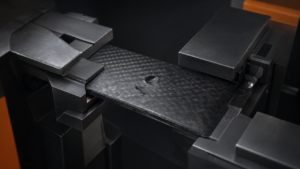
A new study published in *Engineering* has successfully demonstrated a mild catalytic oxidation method for upcycling epoxy resin from end-of-life wind turbine blades into high-performance adhesives. This sustainable approach selectively cleaves C-O bonds within the epoxy matrix, allowing for the comprehensive utilization of degraded products and efficient recovery of both catalysts and reinforcing fibers, marking a significant advancement in composite material valorization.
Technical / Clinical Details
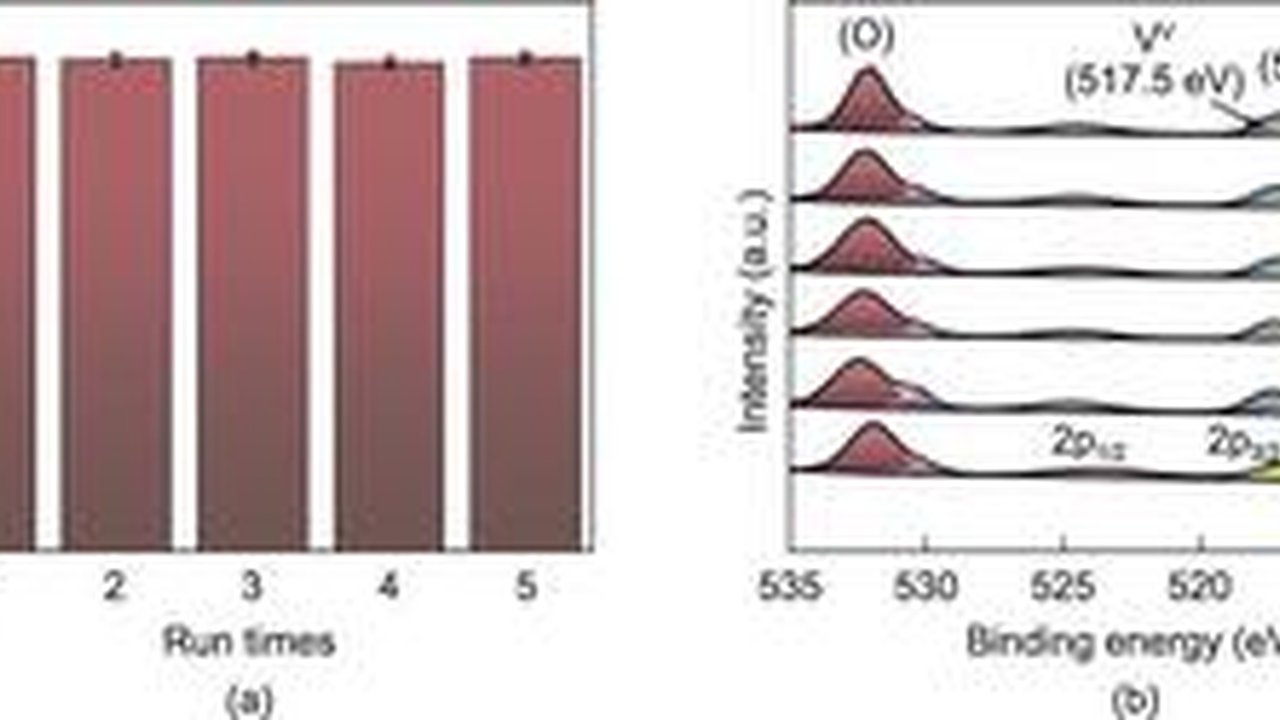
The developed catalytic oxidation process operates under relatively mild temperature and pressure conditions, leading to reduced energy consumption and environmental impact. This process precisely breaks down the complex cross-linked structure of epoxy resins, yielding lower molecular weight oligomers and monomers that are suitable for reuse as adhesive components. The research team confirmed that the upcycled adhesives exhibit excellent bonding strength across a variety of substrates, including metals, plastics, and wood. This highlights an impactful “upcycling” strategy, transforming waste into high-value products rather than mere recycling.
Background & Context
While wind power is a crucial pillar of renewable energy, the disposal of end-of-life wind turbine blades presents a growing global challenge. These blades, typically composed of epoxy resins reinforced with glass fibers, are incredibly durable, making their decomposition and recycling extremely difficult. Most are currently landfilled or incinerated, imposing a significant environmental burden. This research offers a groundbreaking solution to this composite waste problem, representing a critical step towards applying circular economy principles within the wind energy industry.
Strategic Significance & Outlook
This mild catalytic oxidation technology for upcycling epoxy resin not only enhances the sustainability of the wind energy sector but also holds potential for application to other composite material wastes. Its reintroduction as high-performance adhesives could contribute to efficient material resource utilization in construction, automotive, and aerospace industries. Future efforts will focus on demonstrating this technology at a commercial scale and evaluating its economic feasibility. This research is expected to make a substantial contribution to achieving a sustainable society by transforming waste into valuable resources, thereby fostering a more resource-efficient and environmentally responsible industrial landscape.
Source: https://www.eurekalert.org/news-releases/1132274
Get our weekly technology intelligence — free
Receive an infographic that lets you judge at a glance whether each field’s analysis report is worth reading.
Subscribe Free — Weekly Tech Intelligence
By subscribing, you’ll receive Troy-Technical’s weekly technology intelligence newsletter.
- Your email and selected fields are used only to deliver the newsletter.
- We never share your information with third parties.
- You can unsubscribe anytime via the link in each email.
See our Privacy Policy for details.
Takes about a minute · Unsubscribe anytime