Key Findings
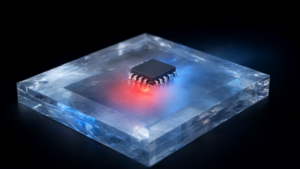
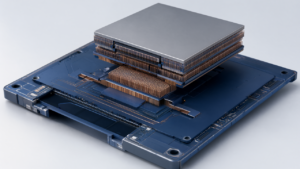
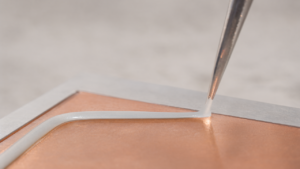
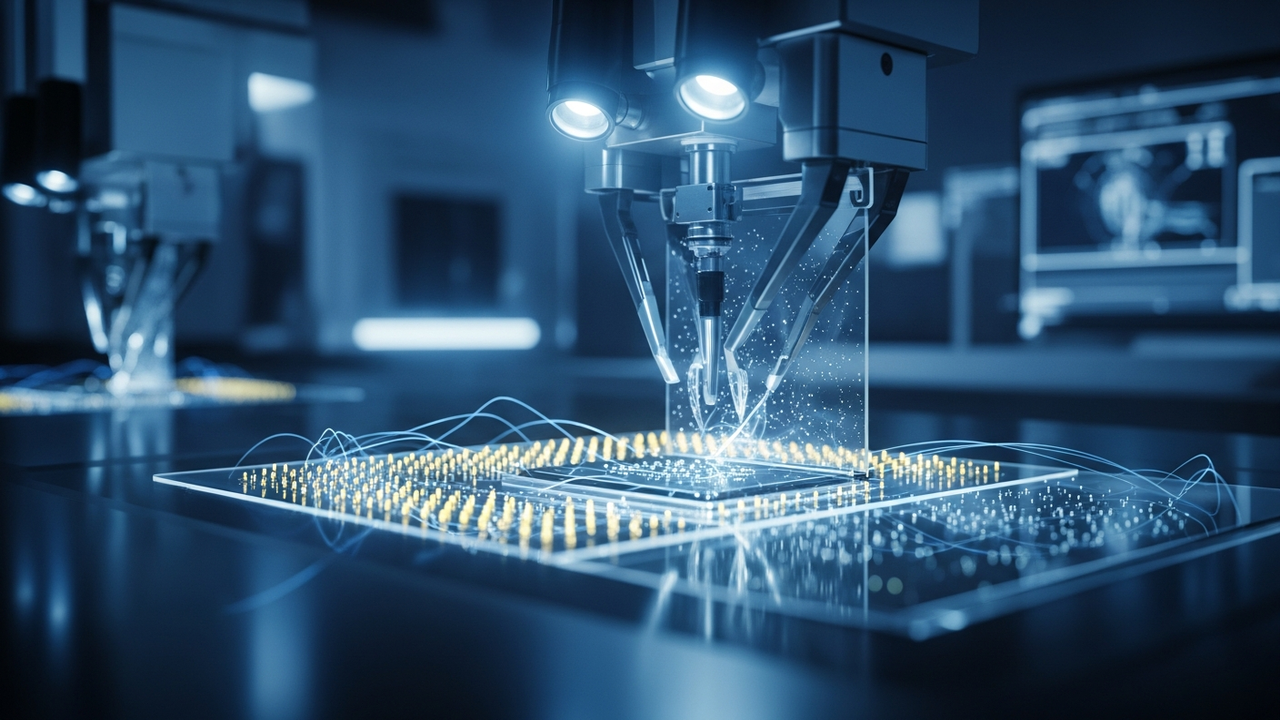
A novel Anisotropic Conductive Film (ACF) has been developed, poised to revolutionize the manufacturing of next-generation high-resolution and MicroLED displays. This new ACF material enables significantly finer pitch connections while offering substantially higher electrical reliability and mechanical stability compared to conventional materials. This technology is expected to play an indispensable role in improving image quality and optimizing manufacturing efficiency, especially in cutting-edge displays demanding miniaturization and enhanced performance.
Technical Details
- Fine Pitch Compatibility: Designed to accommodate extremely fine electrode pitches of tens of micrometers or less, efficiently connecting the minute pixels of high-definition and MicroLED displays. This facilitates the realization of ultra-high-resolution displays.
- High Conductivity and Insulation: Conductive particles selectively form electrical connections under pressure while maintaining high insulation in non-contact areas. This prevents signal crosstalk and improves display image quality and reliability.
- Contribution to Miniaturization and Lightweighting: The adhesive layer is extremely thin, contributing to the overall miniaturization and lightweighting of display modules. This is a significant advantage for portable devices such as smartphones, wearables, and AR/VR headsets.
- High Reliability: Exhibits excellent reliability under thermal cycling and high-humidity environments, ensuring stable long-term operation of displays. Resistance to shock and vibration is also enhanced.
Background & Context
Display technology continues to evolve as the primary user interface across all electronic devices, from smartphones and televisions to wearables, automotive applications, and AR/VR. The demand for higher resolution, wider color gamut, and thinner form factors is constantly increasing. MicroLED, anticipated as the next-generation display technology, requires ultra-fine pitch bonding for its minute individual pixels. Conventional ACFs have struggled to meet these challenges, leading to a strong demand for new bonding materials.
Strategic Significance & Outlook
The advent of this new ACF will be a key factor in accelerating the mass production of high-resolution and MicroLED displays. It is expected to fundamentally enhance user experience across a wide range of product categories, including smartphones, smartwatches, VR/AR glasses, and automotive displays. By contributing to improved manufacturing yields and reduced costs, it will also strengthen the overall competitiveness of the display industry. Future research and development are anticipated to focus on enhancing stability under even harsher conditions and improving applicability to a wider variety of substrate materials.
Source: #
Get our weekly technology intelligence — free
Receive an infographic that lets you judge at a glance whether each field’s analysis report is worth reading.
Subscribe Free — Weekly Tech Intelligence
By subscribing, you’ll receive Troy-Technical’s weekly technology intelligence newsletter.
- Your email and selected fields are used only to deliver the newsletter.
- We never share your information with third parties.
- You can unsubscribe anytime via the link in each email.
See our Privacy Policy for details.
Takes about a minute · Unsubscribe anytime