
Background: Challenges in Diabetic Nephropathy Management and the Need for Precision Monitoring
Diabetic nephropathy is a major complication of diabetes that can progress to end-stage renal disease. Its effective management necessitates continuous monitoring of not only blood glucose but also renal function-related biomarkers. However, current diagnostic methods often require frequent blood draws and urine tests, imposing a significant burden on patients. There has been a strong demand for technologies that can measure multiple interstitial fluid biomarkers simultaneously, in real-time, and with minimal invasiveness, crucial for early detection and effective daily management of diabetic nephropathy.
Multiplexed Biosensor Utilizing Hollow Microneedles
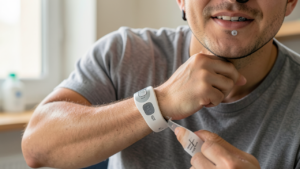
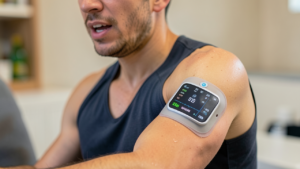
This research introduces a groundbreaking wearable continuous multiplexed sensor system designed for the daily management of diabetic nephropathy. The core of this system is a hollow microneedle array that is minimally inserted into the skin. Made from biocompatible materials, these microneedles access interstitial fluid without irritating nerve endings. By employing a technique of selectively modifying different electrode surfaces, the system achieves high specificity and sensitivity for multiple target biomarkers, including pH, glucose, and uric acid, even within the complex biochemical environment of interstitial fluid.
Clinical Performance and Future Outlook
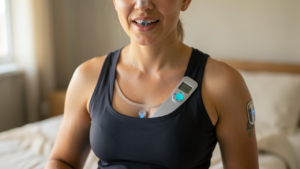
The developed sensor system demonstrated high reliability and accuracy in validation studies using animal models (SD rats). Notably, it incorporates a pH self-calibration function, proving its ability to maintain stable performance over prolonged monitoring periods. Measurements of glucose and uric acid showed high correlation with clinically used devices and exhibited low Mean Absolute Relative Deviation (MARD). This enables patients to monitor daily physiological changes and their impact on renal function in real-time, facilitating more personalized therapeutic interventions and lifestyle adjustments. This technology holds significant potential not only for improving the quality of life for diabetic nephropathy patients but also for advancing preventive and personalized medicine.



Comments