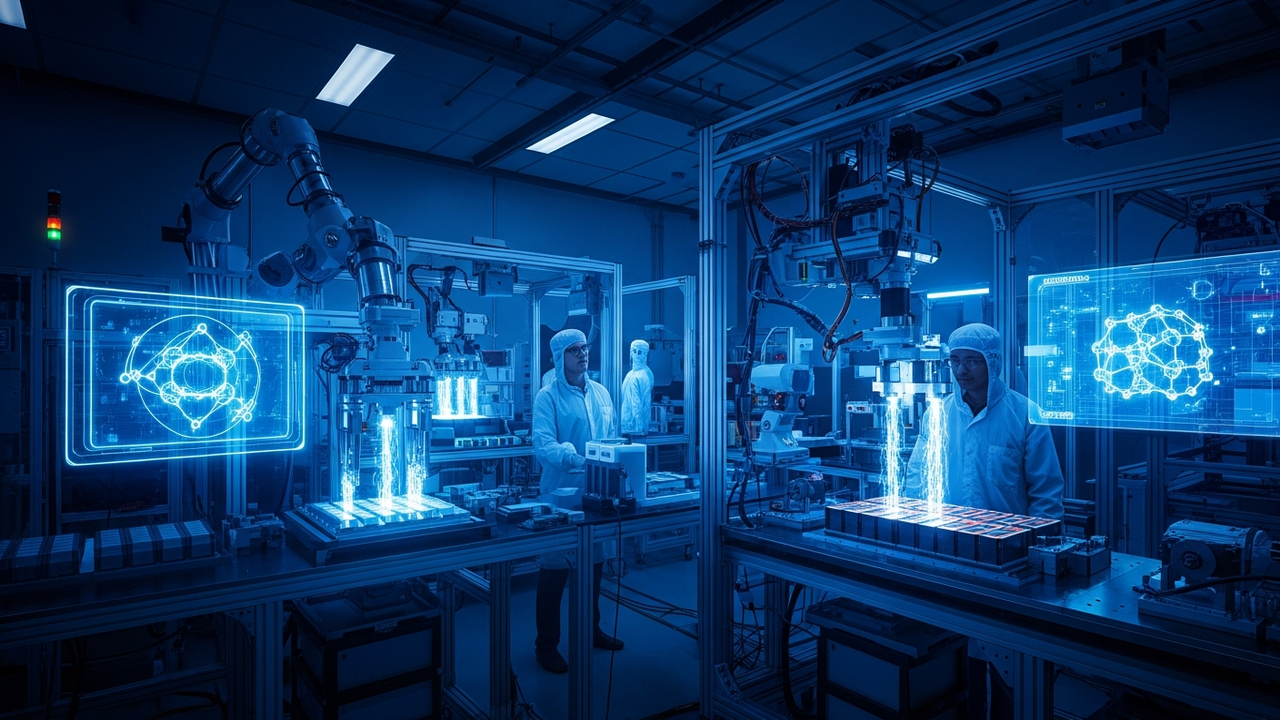
Strategic Investment in Next-Generation Battery Technology
The U.S. Department of Energy (DOE) is strategically advancing the development of next-generation battery technologies, particularly solid-state batteries (SSBs), by publicizing the cutting-edge manufacturing capabilities available at its national laboratories. This initiative forms a core component of a broader national strategy aimed at fortifying the domestic battery supply chain and cementing U.S. leadership in advanced energy storage. The disclosed capabilities cover the entire spectrum of SSB development, from fundamental research and material synthesis to prototype fabrication and small-scale production, providing a comprehensive ecosystem for innovation.
Comprehensive Manufacturing and Material Expertise
The DOE’s national labs offer a diverse array of advanced manufacturing tools and expertise. Key capabilities include sophisticated extrusion systems for forming solid electrolyte and electrode materials, efficient roll-to-roll manufacturing processes for continuous production, precision slot-die coating for uniform layer deposition, tape casting for thin-film fabrication, and advanced ceramic processing techniques. In material science, the labs possess robust synthesis and scaling capabilities for various solid electrolyte chemistries, including sulfides, oxides, halides, and polymers, alongside compatible cathode materials. Furthermore, the emphasis on dry process manufacturing for solid electrolyte films and electrodes – a technology gaining significant traction for its environmental and cost benefits – and the ability to fabricate practical pouch cell prototypes underscore the versatility and readiness to support diverse SSB technological pathways.
Accelerating Innovation and Commercialization
The public availability of these national laboratory resources provides an invaluable opportunity for academic institutions and industrial partners to leverage state-of-the-art facilities without incurring prohibitive capital expenditures. This collaborative approach is expected to significantly accelerate the research and development cycle, helping to overcome technical bottlenecks and expedite the journey from discovery to deployment. Through these efforts, the DOE aims to foster the commercialization of SSBs that offer superior safety, higher energy density, extended cycle life, and improved cost performance, ultimately contributing to a cleaner energy future and bolstering U.S. economic competitiveness.





Comments