Addressing Sustainability and Performance in Battery Technology
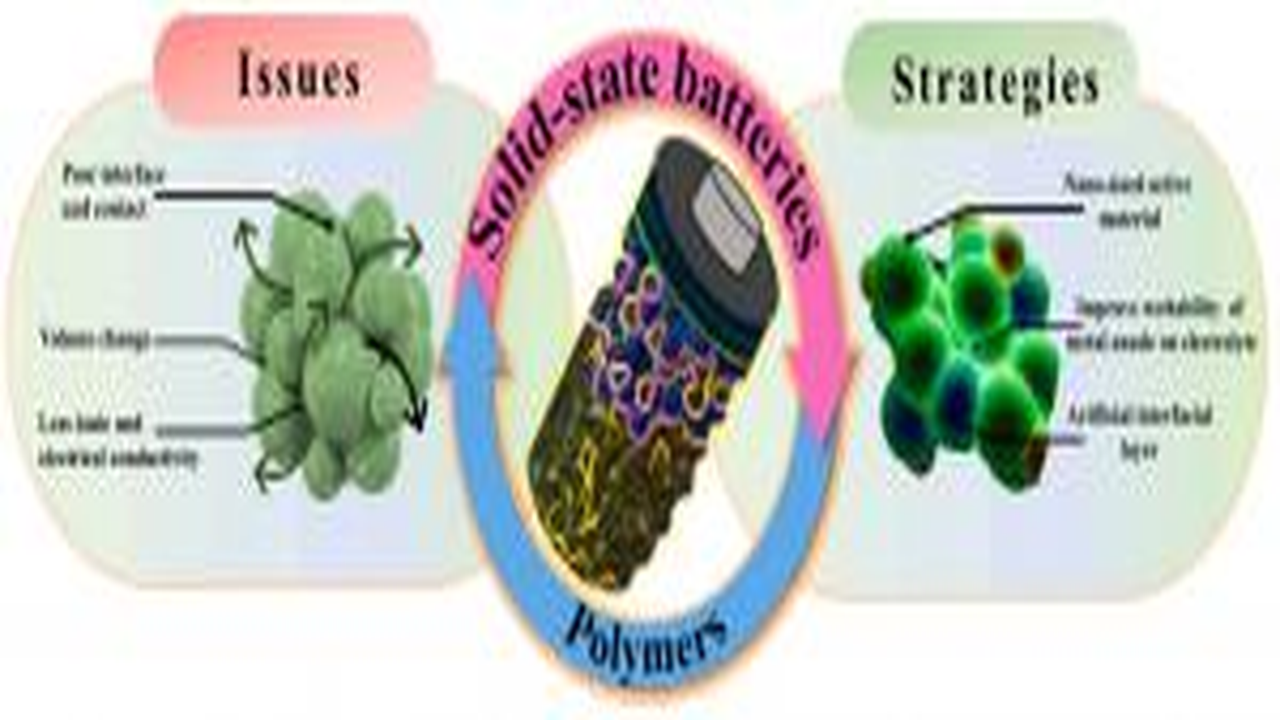
With the surging demand for energy storage in modern society, the performance limitations and environmental footprint of conventional lithium-ion batteries are becoming increasingly prominent. In this context, a recent review paper presents the compelling potential of “All-Organic Batteries” as a sustainable alternative, offering enhanced safety, stability, and environmental friendliness. The paper specifically focuses on their promise within the realm of all-solid-state metal-ion batteries, where polymer-based electrodes are identified as a key solution to existing challenges.
Polymer Electrodes: A Solution for Solid-State Interface Issues
Traditional all-solid-state batteries often employ rigid ceramic electrolytes, which commonly lead to critical issues such as poor solid-solid interfacial contact with electrodes, high interfacial resistance, and mechanical cracking. These problems significantly hinder overall battery performance and long-term stability. The review paper emphasizes the inherent flexibility and superior processability of polymer-based electrode materials as a direct remedy. Polymers can substantially improve interfacial contact, reduce ion transport resistance, and enhance mechanical resilience against stress, thereby boosting the overall performance and reliability of solid-state batteries. This adaptability positions polymeric materials as a viable path to overcoming current solid-state interface limitations.
Manufacturing Approaches and Future Prospects for Mass Production
The successful commercialization of all-organic and polymer-based solid-state batteries hinges on establishing efficient and cost-effective manufacturing processes. The review concludes that integrated manufacturing approaches, such as roll-to-roll printing technologies and processes that minimize solvent usage, are indispensable for achieving mass production. These techniques offer the potential to accelerate battery cell manufacturing speeds, reduce production costs, and simultaneously lower environmental impact. Given their reduced reliance on scarce metals like lithium and cobalt, all-organic batteries also mitigate supply chain risks, paving the way for a more sustainable energy future. Continued research and industrial application of this promising technology are expected to play a crucial role in the evolving landscape of energy storage.







Comments