Key Findings
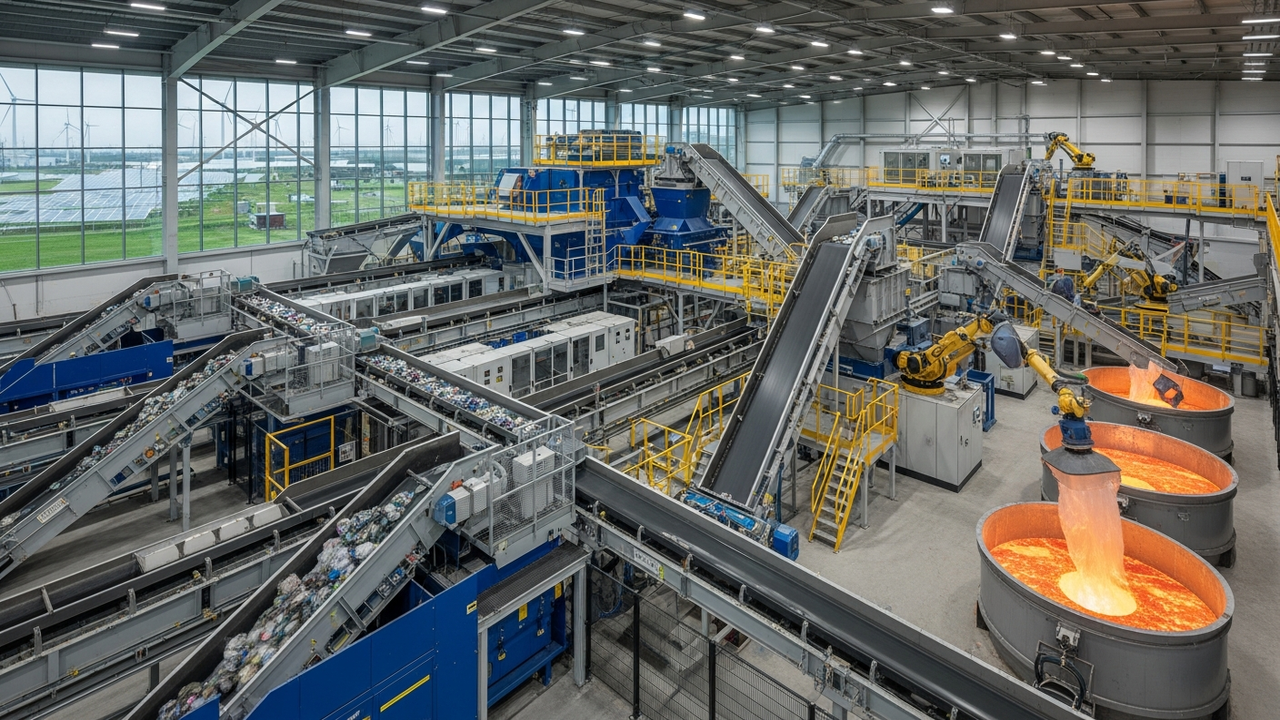
A recent study on plastic recycling in the UK has revealed a significant infrastructure gap, indicating that up to 169 new recycling plants—encompassing Materials Recovery Facilities (MRFs), mechanical recycling, and chemical recycling facilities—would be required by 2060 to fully recycle the current quantities of plastic waste generated within the country. This stark finding highlights a critical deficit in processing capacity relative to projected waste volumes.
Technical / Clinical Details
The study meticulously analyzed the existing plastic recycling infrastructure in the UK and projected the necessary number of facilities based on future waste generation forecasts. It specifically underscores the vital role of chemical recycling plants in processing mixed and contaminated plastic waste, which is largely unsuitable for mechanical recycling. Chemical recycling technologies, by breaking plastics down into their constituent monomers or pyrolysis oils, enable a wider range of plastic types to be reused and reduce the reliance on virgin fossil resources for new plastic production.
Background & Context
The UK currently exports a substantial portion of its plastic waste for processing abroad, a practice becoming increasingly unsustainable due to escalating international regulations and environmental concerns. Expanding domestic recycling capacity is therefore crucial for reducing export dependency and fostering a circular economy within the national economy. The report emphasizes that investments in recycling infrastructure would yield considerable economic and environmental benefits, including the creation of green jobs, enhanced energy security, and millions of tons of annual CO2 emission reductions.
Strategic Significance & Outlook
This report serves as an urgent call to action for the UK government and industry, advocating for substantial investment and policy support for plastic recycling infrastructure. Achieving these ambitious targets will necessitate a comprehensive approach that includes driving technological innovation, establishing robust funding mechanisms, and promoting shifts in consumer behavior. Should the UK successfully address this challenge, it could establish itself as a global leader in sustainable plastic management, potentially serving as a model for other nations. The development of this infrastructure will also unlock new business opportunities and contribute to building a more resilient domestic industrial base, aligning with broader sustainability goals.
Source: https://packaging-journal.de/en/study-warns-of-plastic-recycling-gap-in-uk/
Get our weekly technology intelligence — free
Receive an infographic that lets you judge at a glance whether each field’s analysis report is worth reading.
Subscribe Free — Weekly Tech Intelligence
By subscribing, you’ll receive Troy-Technical’s weekly technology intelligence newsletter.
- Your email and selected fields are used only to deliver the newsletter.
- We never share your information with third parties.
- You can unsubscribe anytime via the link in each email.
See our Privacy Policy for details.
Takes about a minute · Unsubscribe anytime