Key Findings
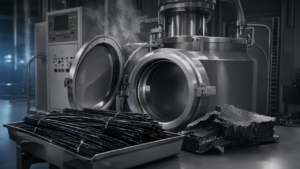
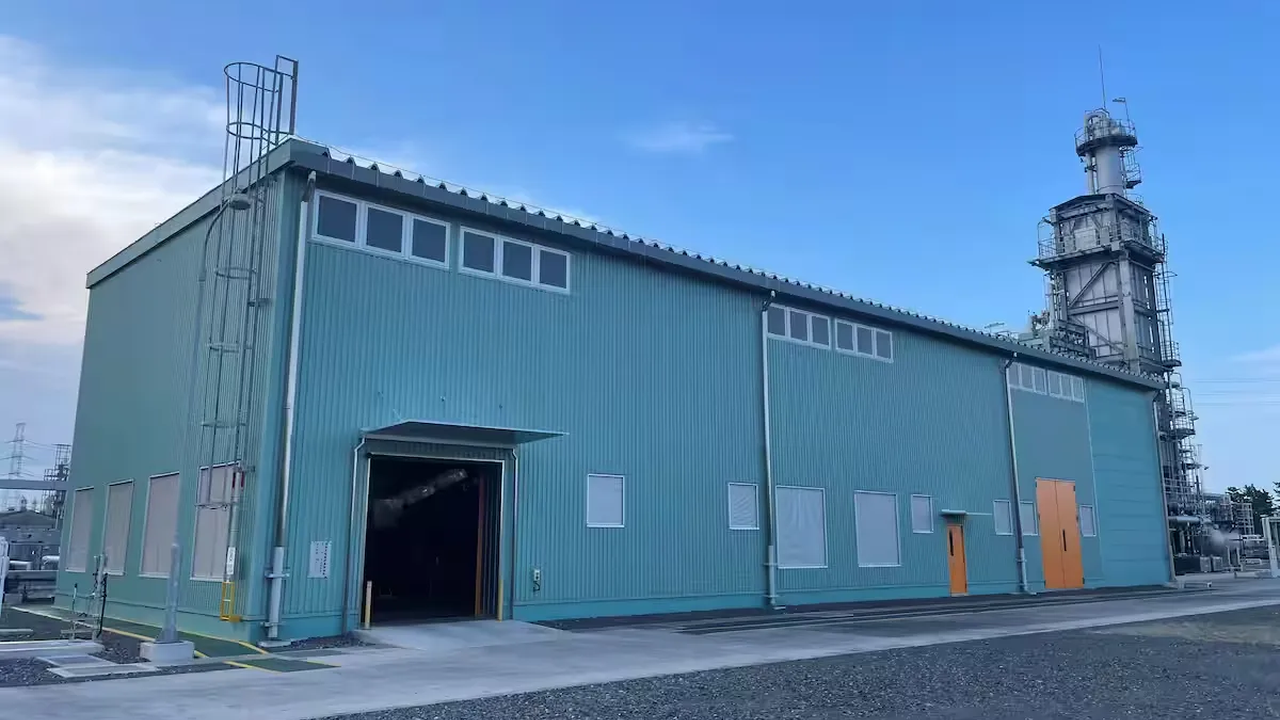
In Japan, Mitsubishi Chemical and ENEOS have launched commercial operations of a chemical recycling facility that employs “supercritical water” technology to break down waste plastics into synthetic oil. Concurrently, Idemitsu Kosan has also initiated a chemical recycling plant utilizing its proprietary catalyst technology. These strategic moves represent a significant step towards reinforcing Japan’s domestic resource security by recovering valuable resources from plastic waste and aiming to lessen the nation’s reliance on imported naphtha.
Technical / Clinical Details
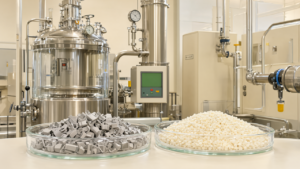
The supercritical water technology adopted by Mitsubishi Chemical and ENEOS harnesses the unique properties of water above its critical temperature and pressure to efficiently decompose organic materials. This process effectively converts mixed plastic waste into a stable synthetic oil, which can then be used as a feedstock for chemical production. Idemitsu Kosan’s approach, on the other hand, involves high-efficiency proprietary catalysts tailored to specific plastic types, enabling plastics to be decomposed at lower temperatures. This process aims for high yields of monomers and oligomers, which can be reused as chemical raw materials. Both technologies are crucial for recycling contaminated and composite plastics that are challenging for traditional mechanical recycling methods.
Background & Context
Japan is heavily dependent on overseas imports for almost all of its naphtha, a primary raw material for petrochemical products, making it vulnerable to supply risks stemming from global geopolitical fluctuations. Instability in the Middle East, in particular, can lead to soaring naphtha prices and supply uncertainties. Against this backdrop, there is increasing anticipation for chemical recycling technologies that can repurpose plastic waste domestically. This is viewed as an indispensable strategy to promote internal resource circulation and bolster economic security, aligning with global sustainability efforts.
Strategic Significance & Outlook
The commercial operation of these chemical recycling plants offers a sustainable solution to both Japan’s plastic waste problem and its resource security challenges. However, a current hurdle is that the cost of recovered synthetic oils and monomers remains higher compared to virgin naphtha-derived products. Moving forward, key factors for establishing cost competitiveness and propelling chemical recycling into the mainstream of the petrochemical industry will include further expanding processing capacity, optimizing technology, and broadening the market for recycled products. Through these technological innovations, Japan is expected to contribute significantly to the establishment of a global circular economy model, setting a precedent for other nations.
Source: https://japan-forward.com/chemical-recycling-naphtha-derived-plastic-middle-east-crisis/
Get our weekly technology intelligence — free
Receive an infographic that lets you judge at a glance whether each field’s analysis report is worth reading.
Subscribe Free — Weekly Tech Intelligence
By subscribing, you’ll receive Troy-Technical’s weekly technology intelligence newsletter.
- Your email and selected fields are used only to deliver the newsletter.
- We never share your information with third parties.
- You can unsubscribe anytime via the link in each email.
See our Privacy Policy for details.
Takes about a minute · Unsubscribe anytime