Key Findings
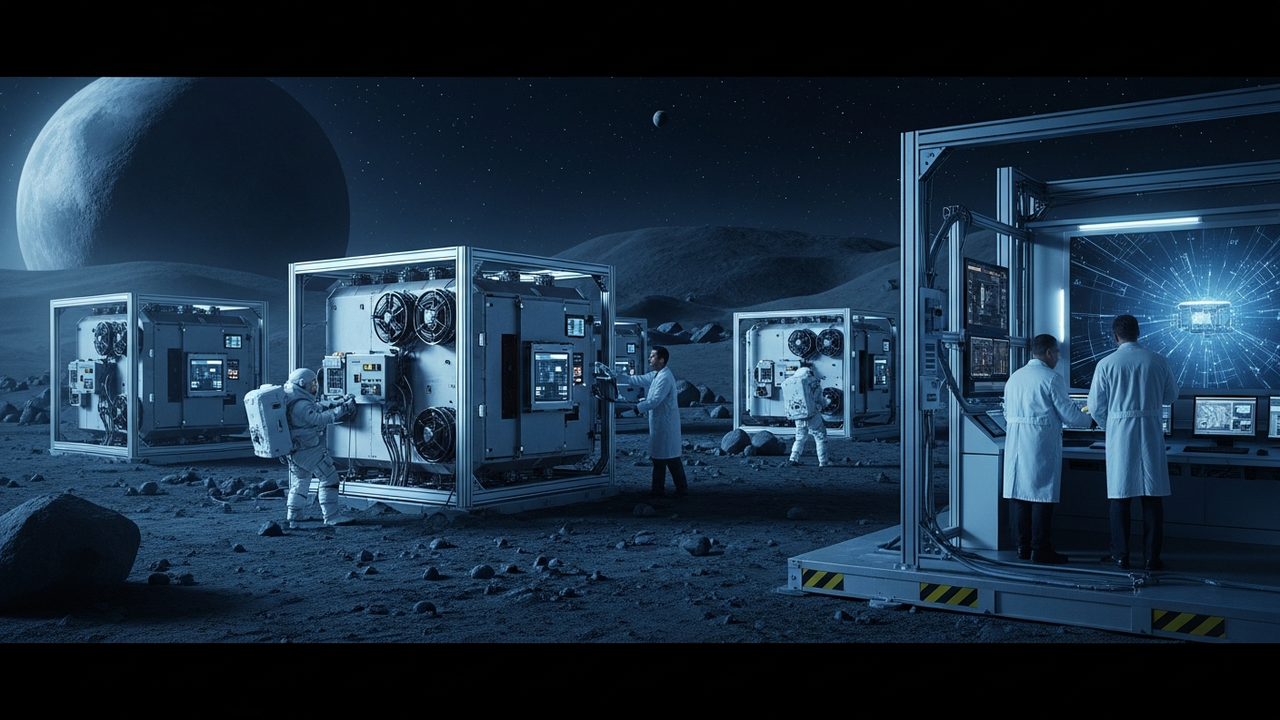
The U.S. Department of Energy (DOE) and NASA have announced their intention to collaborate with American commercial entities to develop a fission surface power system, targeting a lunar demonstration by the late 2020s. This partnership is designed to establish essential power infrastructure, enabling sustained human presence and scientific activities on the Moon and supporting future Mars missions.
Technical and Partnership Details
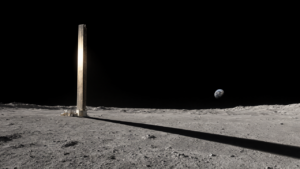
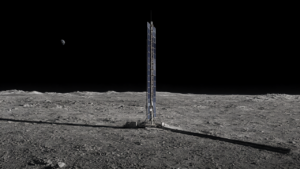
A Fission Surface Power System involves deploying a small nuclear reactor on the lunar surface to provide stable electricity, independent of the Moon’s prolonged day-night cycles. Given the Moon’s approximately 14-day-long night period, during which solar power generation is unfeasible, a fission reactor emerges as an ideal and essential power source for lunar bases and exploration activities.
- System Components: The system will typically comprise a reactor core, power conversion system, heat rejection system, and power distribution system. It is engineered for robust and autonomous operation in extreme environments.
- Leveraging Innovation: Partnering companies will integrate the latest advancements in reactor design, materials science, and autonomous control technologies to develop a safe, efficient, and scalable system. Terrestrial nuclear industry expertise will be adapted for the unique space environment.
- Demonstration Goal: The primary objective is to demonstrate the fission surface power system on the Moon by the late 2020s, establishing its operational track record and reliability, thereby paving the way for larger-scale system deployments in the future.
Background and Industry Context
NASA’s Artemis program aims to return humans to the Moon and establish a sustained lunar presence by the late 2020s. Central to this ambitious plan is the need for robust power infrastructure to enable long-duration stays. Previous space missions have relied on solar power or Radioisotope Thermoelectric Generators (RTGs), each with limitations in terms of power output, lifespan, or deployment flexibility. Fission surface power systems are emerging as the only realistic option capable of overcoming these limitations and meeting the large-scale power demands of a lunar outpost.
The U.S. government has designated space nuclear technology development as a national priority. The DOE contributes its nuclear technical expertise, while NASA provides mission requirements and operational experience. This initiative is crucial for maintaining U.S. technological leadership in space and fostering international partnerships and commercial activities. Private sector involvement is key to enabling cost-effective development and rapid implementation.
Strategic Significance and Outlook
The successful deployment of a fission surface power system on the Moon has the potential to fundamentally transform space exploration. A lunar base, powered by a stable energy source, can enhance scientific research, facilitate resource extraction (e.g., water-ice mining, helium-3 utilization), and strengthen its role as a staging point for future Mars missions. This technology will drive the creation of a lunar economy, stimulate commercial activities, and ultimately provide the energy foundation for humanity’s expansion throughout the solar system. The collaboration between DOE, NASA, and private industry marks the dawn of a new era in space energy utilization, drawing significant attention from space stakeholders worldwide.
Source: https://www.energy.gov/ne/articles/5-things-you-need-know-about-fission-surface-power-systems
Get our weekly technology intelligence — free
Receive an infographic that lets you judge at a glance whether each field’s analysis report is worth reading.
Subscribe Free — Weekly Tech Intelligence
By subscribing, you’ll receive Troy-Technical’s weekly technology intelligence newsletter.
- Your email and selected fields are used only to deliver the newsletter.
- We never share your information with third parties.
- You can unsubscribe anytime via the link in each email.
See our Privacy Policy for details.
Takes about a minute · Unsubscribe anytime