The Crucial Role of Heterogeneous Integration
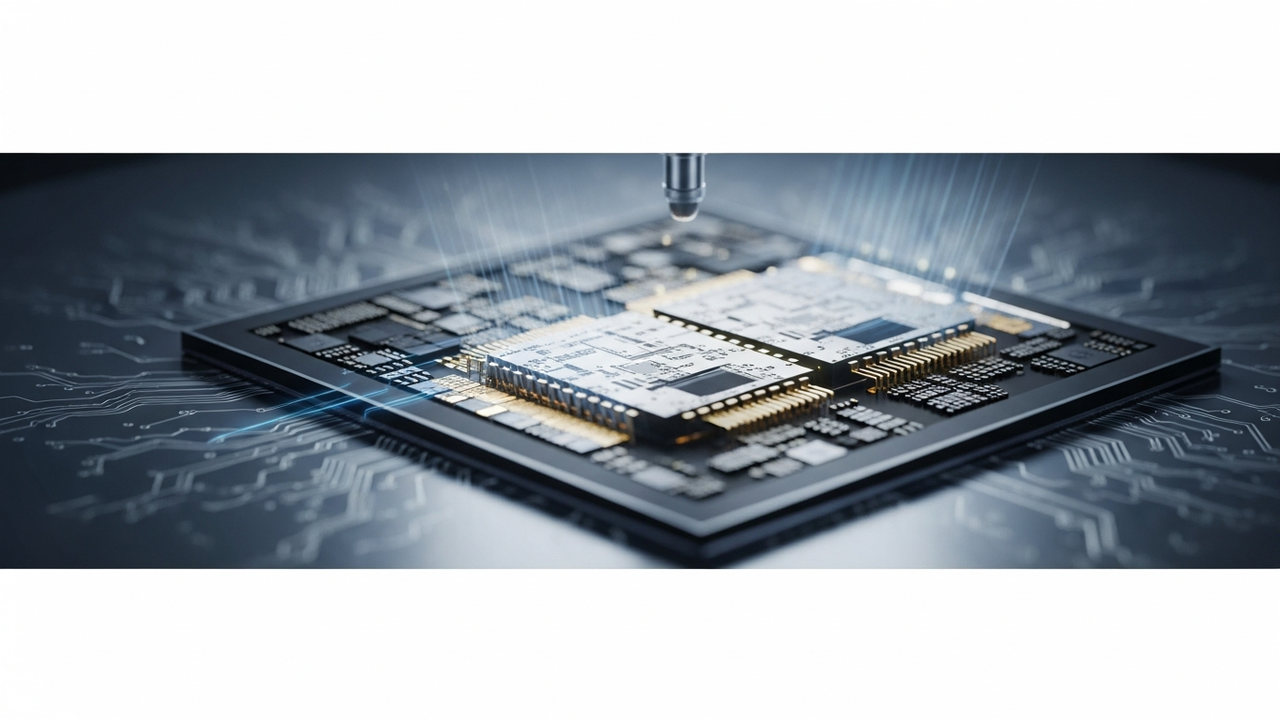
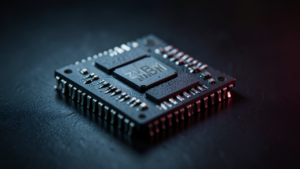
Semiconductor chips, forming the core of next-generation electronics for AI, 5G/6G communications, and high-performance computing, demand unprecedented levels of performance and power efficiency. The key to achieving this lies in heterogeneous integration, a technology that combines multiple chips with different functionalities (logic, memory, I/O, etc.) within a single package. By vertically stacking chips using fine-pitch interconnects, this approach dramatically shortens data transmission distances, consequently reducing signal latency and power consumption. This enables performance enhancements and miniaturization levels that are difficult to achieve with traditional monolithic chips.
Advances and Challenges with Hybrid Bonding
At the forefront of heterogeneous integration is hybrid bonding technology. This technique facilitates direct copper-to-copper connections between chips, fused with dielectric layers, achieving significantly finer pitches and higher connection densities compared to conventional micro-bump connections. This leap dramatically improves inter-chip data transfer bandwidth and efficiency. However, hybrid bonding also introduces new technical challenges. Key concerns include mechanical stress at the bonding interface, mismatches in thermal expansion coefficients, and electrical reliability. Addressing these issues necessitates further research and sophisticated approaches in material science, process control, and design optimization.
Limits of Power Delivery and Thermal Management
As the scale and complexity of AI workloads expand, the power consumption and heat generation of semiconductor chips are dramatically increasing. Currently, power delivery and thermal management are becoming the most critical limiting factors for further chip performance scaling. Power delivery within densely integrated chip packages faces challenges of voltage drop and noise, which can hinder stable operation. Moreover, if generated heat cannot be efficiently dissipated, it leads to performance degradation and reliability issues. Consequently, the industry is seeing growing interest in technologies that integrate voltage regulators directly within packages, as well as innovative thermal management solutions such as liquid cooling, microfluidic cooling, and 3D cooling. Comprehensive solutions to these challenges are essential to accommodate the continuous increase in transistor counts and enable future advancements.
Source: https://www.indexbox.io/blog/heterogeneous-integration-key-to-ai-5g6g-and-future-electronics/





Comments