Background & Industry Context
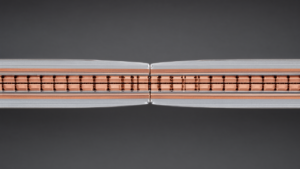
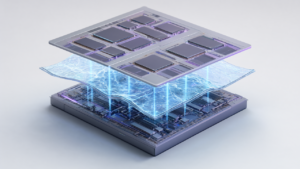
ABF (Ajinomoto Build-up Film) substrates are indispensable packaging materials for high-performance AI chips and High-Performance Computing (HPC) processors, enabling the high-density integration of multiple chiplets and High Bandwidth Memory (HBM). Their fine wiring patterns, superior electrical characteristics, and thermal stability make them critical for advanced packaging technologies like CoWoS (Chip-on-Wafer-on-Substrate).
The construction of AI infrastructure faces bottlenecks across the entire supply chain, extending beyond the chips themselves to packaging, substrates, materials, and power supply. A particularly severe constraint is the supply of high-grade ABF substrates.
Adding to the challenge, the low-CTE (Coefficient of Thermal Expansion) T-glass cloth, essential for these high-performance ABF substrates, is effectively supplied solely by Nittobo. Projections indicate a 10-20% T-glass shortage in 2026, potentially widening to 20% by 2027. This scarcity of glass fiber is a significant impediment to expanding ABF substrate production capacity.
Driven by insatiable AI chip demand, the ABF substrate market is in a structural growth cycle, with products from major suppliers like Unimicron, Kinsus, and Nan Ya PCB already completely sold out. This situation underscores that ABF substrate supply is now a strategic bottleneck for AI players.
Major Investment Announcement
In response to these escalating supply pressures and the explosive demand for AI chips, Japan’s Ibiden and Taiwan’s Unimicron have announced plans for a combined investment exceeding ¥800 billion (approximately $5 billion USD) to substantially boost their high-performance ABF substrate production capabilities. This monumental investment aims to address one of the primary bottlenecks in the semiconductor supply chain and meet the surging requirements for AI server components.
Detailed Expansion Plans & Technical Insights
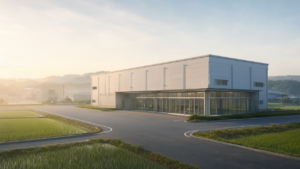
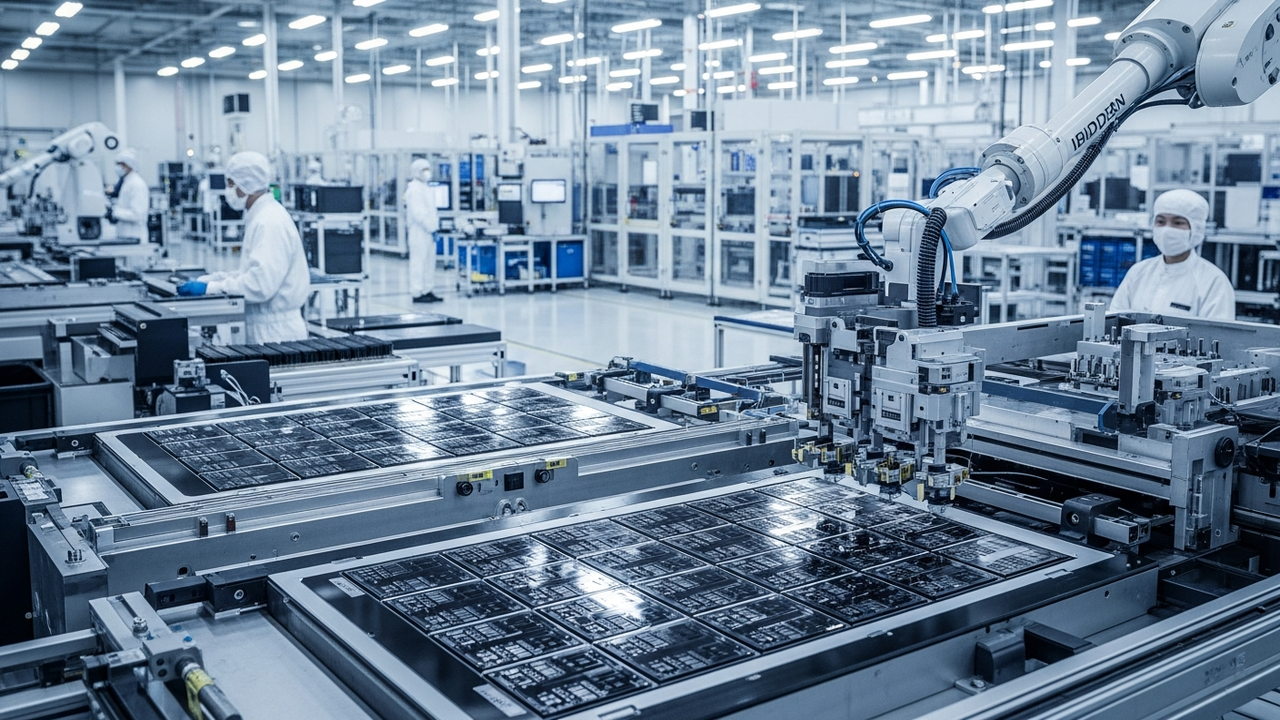
Ibiden is intensifying its AI server substrate production at its Ohno Plant in Gifu Prefecture. While construction is currently only halfway complete, the company will invest approximately ¥500 billion (over $3 billion USD) between fiscal years 2026 and 2028 to further expand capacity. Production at the Ohno facility for AI server substrates initially commenced in October 2025. This investment prioritizes the manufacturing of substrates featuring advanced multi-layer structures and ultra-fine wiring pitches.
Concurrently, Unimicron, a leading Taiwanese ABF substrate manufacturer, has set its capital expenditure for 2026 at over NT$25 billion (approximately $770 million USD) to meet the growing demand for AI substrates. The company plans to increase the supply of high-grade ABF substrates through both optimizing existing production lines and introducing new manufacturing equipment.
It’s worth noting that the specialized ABF film, crucial for manufacturing these substrates, is exclusively supplied by Ajinomoto Fine-Techno. The complex manufacturing processes involved and stringent yield requirements for ABF substrates are key contributors to the current supply bottleneck.
Future Outlook & Implications
These substantial investments by Ibiden and Unimicron are critical for long-term improvements in ABF substrate supply capacity, which underpins the burgeoning demand for AI chips. This production ramp-up, coupled with new T-glass production capacity expected to come online from 2027 onwards, should gradually alleviate the ABF substrate shortage and contribute to the stable supply of AI chips.
However, as long as demand continues to outpace supply growth, ABF substrates are likely to remain a critical path for AI infrastructure development. These strategic investments are expected to accelerate advancements in semiconductor packaging technology, strengthening the foundation for the design and mass production of next-generation AI chips, and are drawing significant attention across the industry.
Source: https://nextfinancial.substack.com/p/nvidias-single-point-of-failure-is